


At Least 12 Killed and More Than 300 Injured; Trump Weighs Possible U.S. Military Involvement
By Salman J. Choudhury
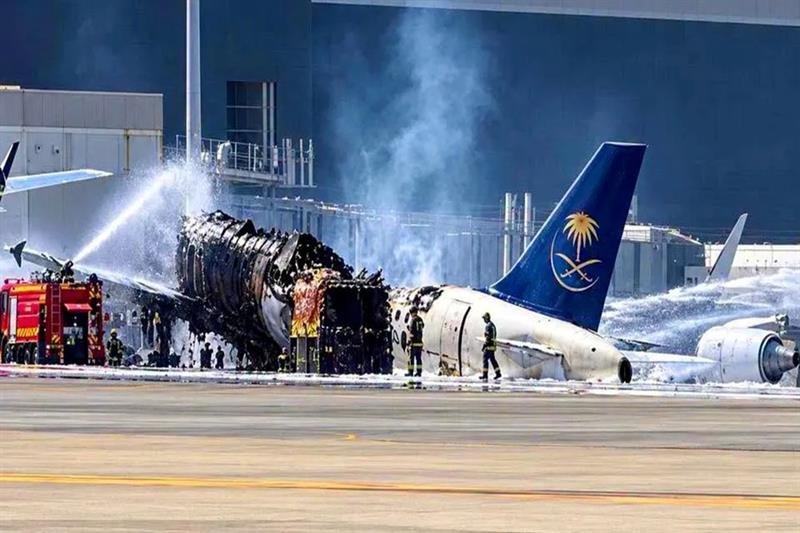
RIYADH, Saudi Arabia — Saudi Arabia has vowed a forceful response after a missile attack on King Khalid International Airport in Riyadh killed at least 12 people and injured more than 300, sharply escalating the conflict between the kingdom and Yemen’s Iran-backed Houthi rebels.
The attack occurred on Saturday, October 10, 2026, striking an airport complex that includes terminals serving domestic flights. Saudi authorities blamed the Houthis, describing the assault on civilian infrastructure as a serious violation of international law and warning that those responsible would face consequences.
The fatalities included four Saudi nationals, two Bangladeshi citizens and nationals of the United States, Jordan, Palestine, Syria, Sudan and Egypt, according to Saudi authorities. Hundreds of people were reportedly injured, with some requiring hospital treatment.
Airport Closure Extended Amid Security Concerns
Saudi Arabia extended the closure of its main international airport as authorities assessed the damage and reviewed security arrangements. The attack disrupted air travel and raised concerns about the safety of passengers, airline employees and airport personnel.
The strike was among several attacks targeting Saudi airports and other strategic facilities in recent days. The Houthis have also warned airlines and travelers against using Saudi airports, raising fears of further disruption to regional and international aviation.
A subsequent attack on the airport on Sunday, October 11, reportedly killed one additional person and injured 11 others, according to Saudi authorities. The repeated strikes have intensified concerns that civilian infrastructure could remain vulnerable as the conflict expands.
Trump Considers Possible U.S. Military Action
U.S. President Donald Trump said Washington was evaluating whether to join Saudi Arabia in military strikes against the Houthis. He also indicated that he intended to speak with Saudi Crown Prince Mohammed bin Salman about the escalating situation.
U.S. Secretary of State Marco Rubio condemned the attack and confirmed that an American citizen was among those killed. Washington’s potential involvement could significantly widen the conflict and increase the risk of direct confrontation with the Iran-backed group.
The possibility of expanded U.S. military action comes amid broader tensions involving Iran and its regional allies. Any decision to participate in further strikes could have implications for regional security, diplomatic efforts and global energy markets.
International Condemnation
The United Nations and several governments condemned the attack, emphasizing the need to protect civilians and civilian infrastructure.
U.N. Secretary-General António Guterres expressed strong condemnation, warning that attacks against civilians and civilian facilities violate international law and must stop. The U.N. special envoy for Yemen also described the strikes as a serious escalation that threatens regional stability and complicates efforts to achieve peace.
Governments across the Middle East and beyond expressed solidarity with Saudi Arabia and called for an end to attacks on civilian targets.
Conflict Threatens Regional Stability and Energy Security
The latest escalation comes as Saudi-backed Yemeni government forces intensify military operations against the Houthis in Yemen. The fighting has increased the risk of retaliatory strikes against airports, military installations, oil facilities and other strategic infrastructure.
The conflict also threatens important maritime routes, including the Bab el-Mandeb Strait, a critical passage connecting the Red Sea with the Gulf of Aden and a major corridor for international trade.
Further disruption to shipping through the Red Sea or the Strait of Hormuz could affect global oil supplies, transportation costs and energy prices. Financial markets across the Gulf have already shown signs of concern over the growing security risks.
Uncertain Path Ahead
Saudi Arabia’s pledge to retaliate has heightened fears of a broader regional confrontation. While the kingdom seeks to respond to the attacks, the possibility of additional military operations raises concerns about further civilian casualties and the widening scope of the conflict.
With Washington weighing its options and the Houthis threatening additional attacks, the coming days could prove critical for regional security and diplomatic efforts.
For now, the immediate priorities remain protecting civilians, restoring airport operations and preventing further escalation in a conflict with consequences extending well beyond Yemen and Saudi Arabia.
The situation remains fluid, with further military and diplomatic developments expected.