

Immigration Judge Rules Salah Sarsour Can Be Removed From U.S.; Appeal Expected
Wisconsin mosque president’s case puts immigration, national security and free-speech questions in the spotlight
Sadia J. Choudhury:
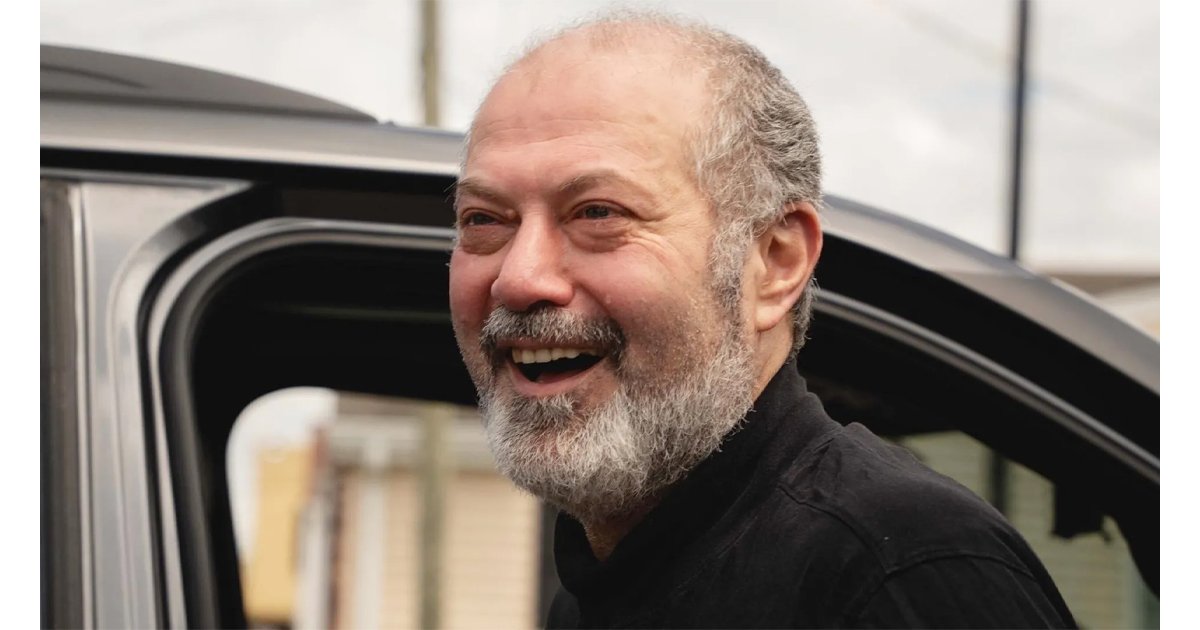
— A Wisconsin immigration judge has ruled that Salah Sarsour, president of the Islamic Society of Milwaukee, can be deported from the United States, setting the stage for another legal battle over his immigration status.
The ruling relies on federal immigration provisions involving national security and U.S. foreign-policy interests. It does not mean Sarsour will be immediately deported. His attorneys are preparing to appeal, and the case remains subject to further legal proceedings.
Sarsour, a Palestinian-American community leader and longtime lawful permanent resident, has lived in the United States for more than three decades. He was arrested by U.S. Immigration and Customs Enforcement (ICE) on March 30 and spent 81 days in an Indiana detention facility before being released under a federal court order in June.
DECADES-OLD CASES AT CENTER OF GOVERNMENT’S ARGUMENT
The government’s case includes several decades-old cases involving Sarsour as a teenager in an Israeli military court.
Government attorneys cited allegations involving attacks on the homes of Israeli military personnel and unlawful possession of weapons and ammunition in arguing that Sarsour is subject to removal under federal immigration law.
Sarsour has denied the allegations. His attorneys have argued that he was subjected to abuse while in Israeli custody and that statements attributed to him were obtained under coercive circumstances. They have also challenged documents written in Hebrew, a language they say Sarsour could not read or understand.
Sarsour has no criminal record in the United States. The immigration court also rejected a government allegation that he had provided false information on a green-card application decades ago.
PALESTINIAN ADVOCACY ADDS ANOTHER DIMENSION
Sarsour has been publicly active in advocacy involving Palestinian rights. His attorneys have argued that his public advocacy raises important questions involving freedom of speech and the government’s actions against him.
Government officials, however, have based the deportation case on immigration provisions concerning national security and U.S. foreign-policy interests.
The case has consequently drawn broader attention to the intersection of immigration enforcement, national security, free speech and the rights of longtime lawful permanent residents.
“THE LEGAL FIGHT CONTINUES”
Following the ruling, Sarsour described the decision as deeply disappointing but vowed to continue pursuing his legal options.
His attorneys are expected to challenge the decision through the immigration appeals process.
For now, the case is far from over. Sarsour remains in the United States while the legal process continues, and any eventual removal would depend on the outcome of the appeals and subsequent judicial proceedings.
The case is being closely watched by Muslim, immigrant and civil-liberties communities as the courts consider the limits of federal immigration authority and the rights of longtime residents facing deportation.