


Four years ago, a peace agreement ended one of the deadliest conflicts of this century, the Tigray War in northern Ethiopia. Fighting between the Ethiopian federal government and the Tigray People’s Liberation Front (TPLF), a political party and armed rebel movement controlling the northern Tigray region, claimed 600,000 lives and displaced over 5 million people. Now that conflict has reignited – and with it, fears that fighting could spread across the Horn of Africa.
Last week, forces belonging to the TPLF seized three airports and attacked the states of Afar and Amhara, located in northeastern Ethiopia. The offensive came days after the TPLF joined six other armed rebel groups in forming the Ethiopian Peoples’ Forces Alliance for Survival (EPFAS), which seeks to overthrow Prime Minister Abiy Ahmed’s government.
In response, Ethiopian Airlines suspended flights to the Tigray region, and the Ethiopian military claims it killed, wounded, or captured more than 500 rebel fighters. The TPLF’s vice president, Amanuel Assefa, declared the region to be in a state of “full-blown war.” The question now is whether the fighting will remain Ethiopian or ignite a wider conflict, drawing in other regional players.
The origins of the conflict. The Tigray War grew out of a political rupture between Abiy and the TPLF, the party which had dominated Ethiopian politics for thirty years before Abiy came to power in 2018. Abiy sought to reduce ethnic tensions by unifying different Ethiopian parties into his “Prosperity Party,” but the TPLF refused to join, fearing a loss of influence. In 2020, Abiy delayed national elections because of the COVID-19 pandemic, angering Tigrayan officials who saw this as an authoritarian tactic to hold onto power.
In response, Tigrayan officials defied the federal government and held their own regional vote. Tigrayan forces then attacked a federal military base in the region, purportedly to steal weapons, prompting a military retaliation from Addis Ababa, which drew in neighboring Eritrea, whose relationship with the TPLF had soured in a 1998 border war. Fighting ended with the 2022 Pretoria Agreement between the Ethiopian government and the TPLF, which allowed the TPLF to remain a major political force in Tigray.
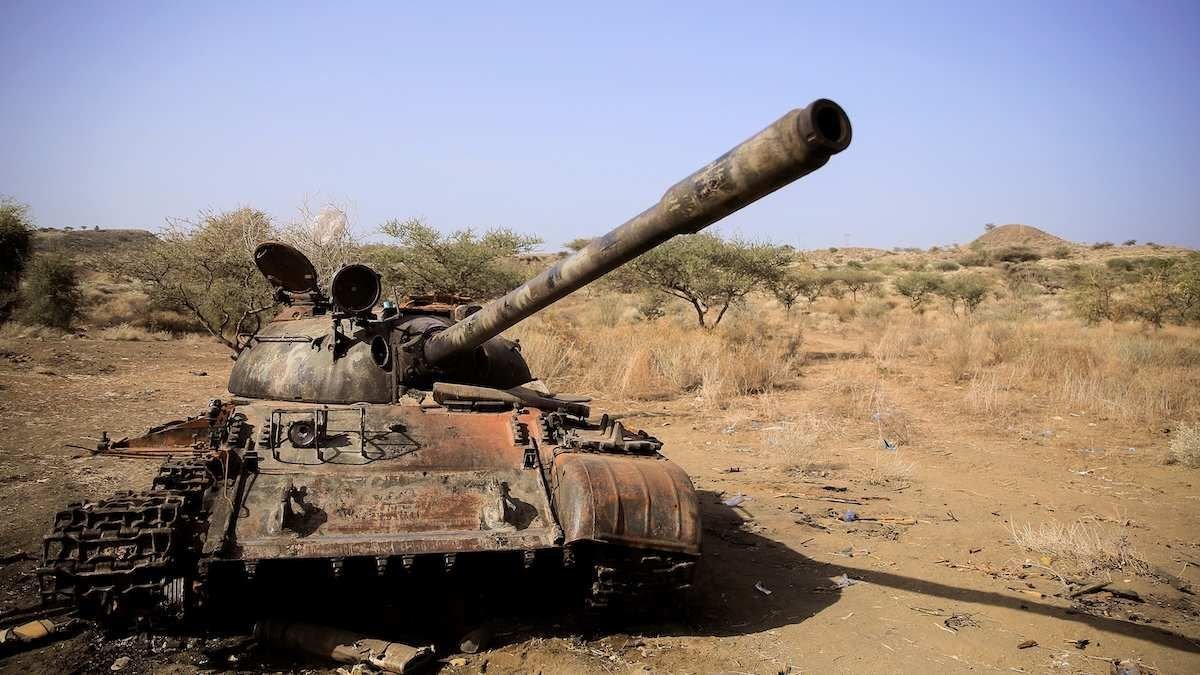
Could a new Tigray War Engulf the Horn of Africa?