Anadolu Agency: Rising fuel prices triggered by the US-Israeli war on Iran could undermine Republican prospects in the November 3 midterm elections, as US consumers bear a growing share of the global financial burden.
Brent crude, which traded at $72.48 per barrel before the conflict began, climbed above $126 following the outbreak of hostilities.
The international benchmark ended the week through October 30 at $113.43 per barrel, marking an increase of approximately 56.5% from pre-war levels.
Rising crude prices have also pushed up fuel costs across US. According to American Automobile Association (AAA), average gasoline prices climbed from approximately $2.98 per gallon before the war to $4.17 as of November 1, representing an increase of nearly 40%.
An analysis by Centre for Research on Energy and Clean Air (CREA) estimates that oil shock stemming from disruptions in Strait of Hormuz has imposed an additional $468 billion in fuel costs on consumers worldwide, with US accounting for approximately $160 billion, or nearly one-third of the total.
Meanwhile, a survey published by US-based Pew Research Center on October 30 shows that 74% of Americans are highly concerned about gasoline and energy prices, up from 60% in July and 43% in January.
Mounting energy costs and growing public concern over fuel prices are intensifying pressure on US President Donald Trump’s administration ahead of November 3 midterm elections, particularly given his repeated pledges to lower energy prices.
The situation has also fueled debate over what measures Washington could take to bring oil prices down.
US energy prices surge
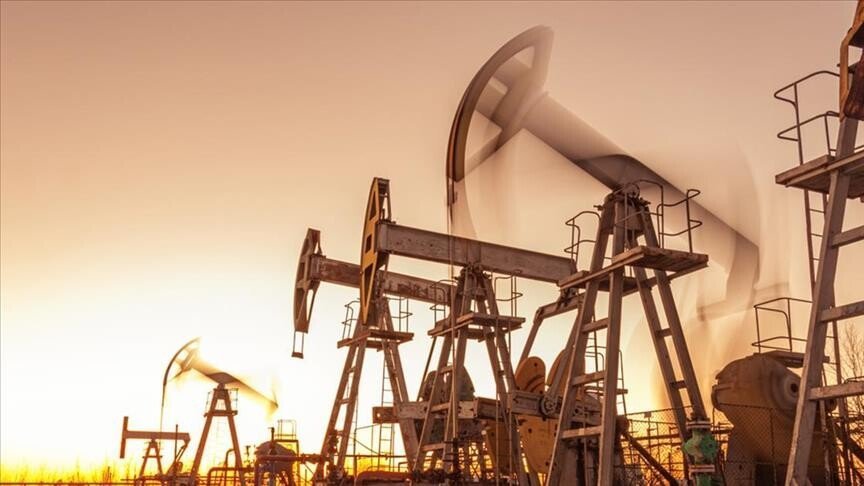
Republicans Could Pay Political Price For Surging Oil Prices In US Midterms