

Proposed legislation targets dangerous street takeovers, reckless driving and social media-organized gatherings amid growing public safety concerns
Sadia J. Choudhury:
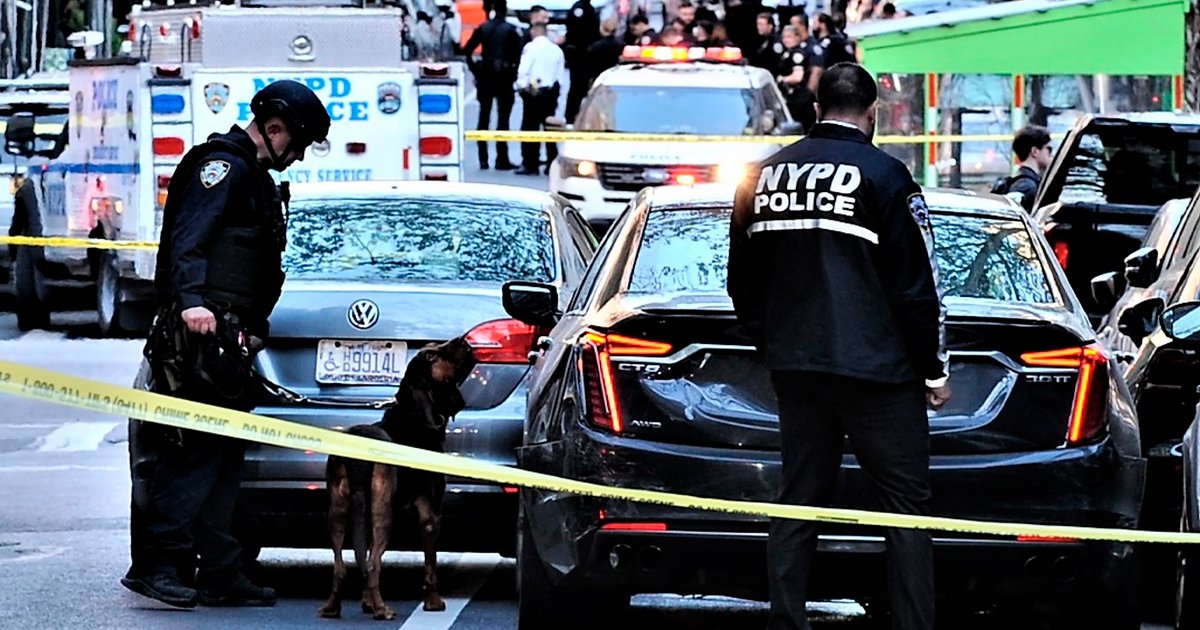
— A New York City Council member is proposing dedicated NYPD units to combat chaotic car meetups and illegal street takeovers, citing public safety risks associated with dangerous driving stunts, street blockages and violence at large vehicle gatherings.
According to Gothamist, the proposal by Council Member Phil Wong calls for two specialized units: one focused on breaking up illegal street takeovers and another tasked with monitoring publicly available information, including social media, to identify potential gatherings before they occur.
The initiative aims to address a growing challenge for law enforcement as organizers can quickly publicize events online and relocate before officers arrive.
Fatal Shooting at Bronx Car Meetup
The proposal follows a series of incidents involving large vehicle gatherings across New York City.
On August 23, 18-year-old Warling Mendez was killed in a shooting during a large car meetup on East 233rd Street in the Bronx. Two other people were injured, according to police.
In another incident in April, a gathering involving approximately 50 vehicles and more than 100 people reportedly blocked streets in the Maspeth section of Queens. Participants allegedly performed dangerous driving stunts, including spinning cars around a ring of fire. Two individuals also reportedly damaged the windshield of a marked police vehicle.
Such incidents have intensified concerns about public safety, traffic disruptions and the potential for violence at unauthorized gatherings.
Social Media Complicates Enforcement
Wong’s proposal seeks to address the difficulty police face in tracking gatherings that are organized online and can shift locations at short notice.
Under the proposed legislation, a specialized enforcement unit would focus on removing vehicles associated with illegal gatherings. A second unit would monitor publicly available online information to identify potential events and provide advance intelligence.
The legislation would also require reports to the mayor and City Council within 30 days of each deployment. Those reports would document traffic summonses issued, vehicles seized or towed, arrests made and enforcement strategies used.
NYPD Says Specialized Teams Already Operate
The NYPD has said it already deploys specialized teams across the city’s boroughs on weekends to respond to these gatherings.
According to the department, officers coordinate across patrol, intelligence, aviation and highway units to collect information, identify potential events and intervene when necessary.
Police officials have pointed to social media posts, information from previous incidents and real-time intelligence as tools used to anticipate and disrupt illegal gatherings.
Council Member Oswald Feliz, chair of the City Council’s Committee on Public Safety, has also raised concerns about the role of social media in facilitating these events and the risks they pose to residents.
Suffolk County’s Task Force Offers Another Model
Suffolk County on Long Island established a dedicated task force in November 2024 to address street takeovers.
According to county police figures cited in the Gothamist report, as of September 14, 2026, the task force had dispersed 131 gatherings, issued 14,146 summonses, arrested 127 people and seized 169 vehicles.
A Suffolk County law enacted in 2024 also makes it an offense to knowingly remain as a spectator within 200 feet of an illegal street takeover. Violators can face up to six months in jail.
Proposal Awaits Further Action
The New York City proposal has been introduced, but a committee hearing had not been scheduled at the time of the Gothamist report. City Hall said the administration was reviewing the measure.
If enacted, the legislation would take one year to go into effect.
The proposal’s future will depend on the City Council’s consideration and subsequent legislative action. Meanwhile, the debate highlights the challenge of balancing effective enforcement with public safety as authorities confront rapidly organized and increasingly mobile street gatherings.