

Housing protests increasingly invoke Israel and Zionism, raising concerns over antisemitic rhetoric
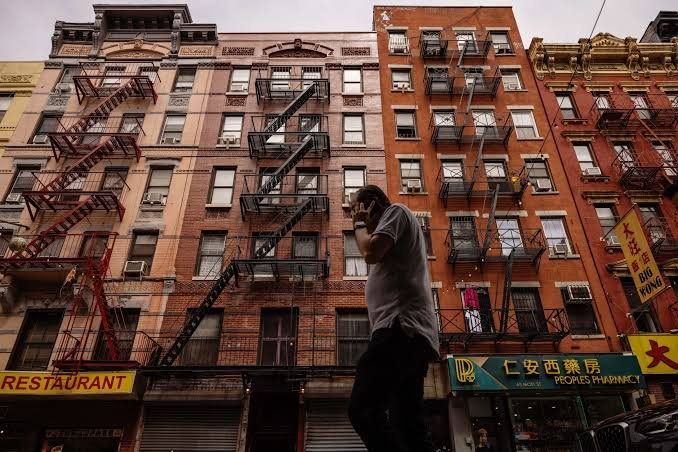
Salman J. Choudhury : New York City’s worsening housing crisis, soaring rents and shortage of affordable housing have become the focus of a growing political controversy, after some protests and political campaigns began linking the city’s housing problems to Israel and “Zionist” interests.
Critics say that while anger over high rents, redevelopment and housing insecurity is legitimate, attributing New York’s housing problems broadly to “Zionists” risks turning a debate over public policy into rhetoric targeting Jews and fueling antisemitic conspiracy theories.
The controversy has been particularly visible around housing redevelopment efforts in Manhattan’s Chelsea neighborhood. Flyers and posters distributed in connection with opposition to a major redevelopment project reportedly used terms such as “Zionist money” and “Zionist occupation,” while also invoking longstanding antisemitic conspiracy theories involving the Rothschild family.
Housing redevelopment at the center of dispute
The Fulton and Elliott-Chelsea Houses redevelopment project has become one focal point of the debate. The broader plan includes the rehabilitation and preservation of existing affordable housing as well as the construction of thousands of additional residential units.
Some residents and housing activists have raised concerns about construction, relocation and the potential displacement of current tenants. Those concerns have fueled opposition to aspects of the redevelopment plan.
However, the use of “Zionist” references in some of the campaign material has prompted criticism from observers who argue that legitimate concerns about housing policy should not be connected to Jewish identity or used to promote conspiracy theories.
Political debate takes a sharper turn
The issue has also entered New York’s increasingly polarized political environment. Some activists and political candidates have drawn connections between housing costs, corporate landlords, pro-Israel organizations and U.S. foreign policy.
Political criticism of specific organizations, landlords or government policies is protected as part of public debate. But critics warn that portraying Jews or “Zionists” collectively as responsible for New York’s housing crisis crosses a line from policy criticism into ethnic or religious scapegoating.
Growing concerns over antisemitism
Historians and Jewish community observers have expressed concern that references to “Zionists,” “Rothschilds” and other longstanding conspiracy narratives can reinforce antisemitic stereotypes about Jewish wealth, political influence and control.
New York’s housing crisis, however, has deep and complex roots, including high land and construction costs, limited housing supply, zoning restrictions, rising rents and longstanding challenges in housing policy.
Housing advocates argue that these structural issues require serious policy solutions rather than blaming an entire religious, ethnic or political group.
Housing solutions—not scapegoats
New York’s affordability crisis remains one of the city’s most pressing challenges. Millions of residents face high rents, limited affordable housing options and uncertainty surrounding redevelopment and displacement.
The debate over housing policy is likely to remain intense as political groups push competing visions for the city’s future.
But as the controversy grows, community leaders and civil-rights advocates face a broader challenge: ensuring that legitimate demands for affordable housing and tenant protections remain focused on policy—and do not become a vehicle for hatred, discrimination or antisemitic conspiracy theories.
For New York, the central question remains how to create more affordable, secure and sustainable housing without turning the city’s housing crisis into a source of deeper social division.