

‘Public Charge’ policy takes effect, expanding scrutiny of government benefits;
New York and other states challenge the rule in court
Husneara Choudhury :
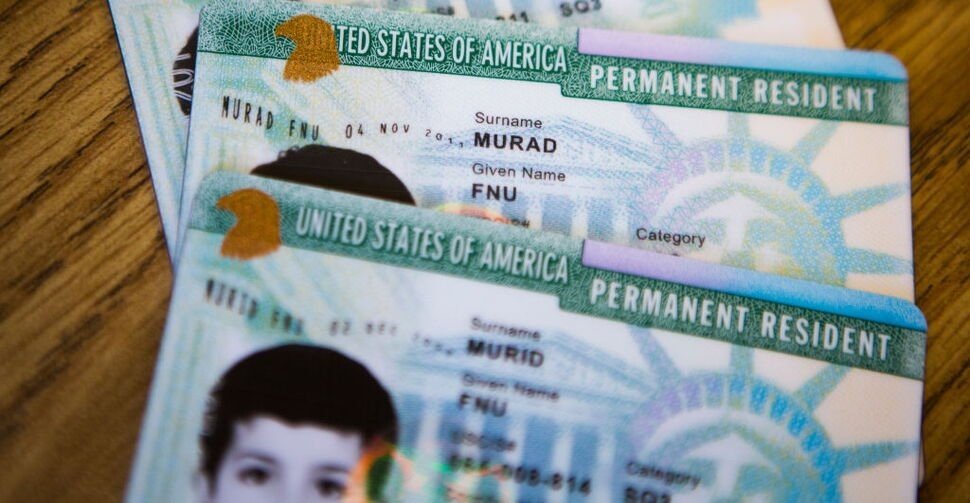
The Trump administration’s revised “Public Charge” rule took effect Friday, September 18, introducing broader scrutiny of government benefits in the green card application process.
Under the new policy, immigration officials may consider an applicant’s use of certain government-funded programs, including food assistance, health care and housing support, when assessing whether the applicant could become primarily dependent on public assistance.
The revised policy also allows officials to consider a broader range of factors, including an applicant’s age, health, financial circumstances, family situation, education and skills.
The new rule expands the scope of the Public Charge policy compared with the framework established in 2022. Under the previous policy, consideration was generally focused on certain cash assistance programs and long-term government-funded institutional care.
New York and Other States Challenge Rule
Before the rule took effect, New York and a coalition of states, along with the District of Columbia, filed a federal lawsuit challenging the policy. New York City and other local governments have also pursued separate legal action.
The challengers argue that the new rule gives immigration officials broad discretion and could discourage immigrant families from using government programs for which they are legally eligible.
They also warn that the policy could create uncertainty for families whose members receive government-funded health care, food assistance or housing support.
Administration Defends Policy
The Trump administration maintains that applicants seeking permanent residence should demonstrate the ability to support themselves financially and that immigration officials should be able to consider an applicant’s overall financial circumstances.
Administration officials have argued that the revised policy is intended to ensure that immigrants seeking permanent residency are less likely to become dependent on public resources.
Concerns Among Immigrant Families
Immigration advocates and the states challenging the rule have expressed concern that eligible families may avoid seeking essential assistance because of fears that receiving benefits could affect an immigration application.
Health care, food assistance and housing programs are among the areas drawing particular attention as immigrant communities assess the potential consequences of the new policy.
With the rule now in effect and legal challenges underway, its future could ultimately depend on federal court decisions. The dispute has placed the Public Charge policy once again at the center of the U.S. immigration debate, with potentially significant implications for green card applicants and their families.