


Mayor Zohran Mamdani and the City Council struck a handshake deal on the city budget Tuesday morning, just hours ahead of a legally-mandated deadline for the new fiscal year.
The final sticking point between the sides was the expansion of a rental assistance program called CityFHEPS that functions as a local version of Section 8.
Members of the City Council led by City Council Speaker Julie Menin were pushing Mamdani to add $300 million annually to the program, which would have represented a sizable increase to the program’s funding and made tens of thousands of additional New Yorkers eligible for the vouchers. Ultimately, the sides settled on spreading the additional funding across two years: $175 million in the upcoming fiscal year and $125 in the following year. “We have worked together to usher in a new era of fiscal health for our city, one that is sustainable, one that is durable, and one that makes needed investments in a safer, more affordable New York,” the mayor said in a statement.
During the mayoral campaign, Mamdani said he would reverse the previous administration’s battle against the program’s expansion. But once in office, he adopted a similar stance as former Mayor Eric Adams, who said the spiraling costs made the program fiscally unsustainable for the city. The program could cost the city about $2 billion in the upcoming fiscal year, according to the mayor’s executive budget.
“This agreement delivers a humane and fiscally responsible path forward by expanding access to rental assistance, establishing cost controls, and ending years of litigation,” Menin said in a statement.
The deal caps a whirlwind budget process for the new mayor. At the start of his tenure, Mamdani projected the city would face a $5.4 billion budget deficit in the upcoming fiscal year.
The mayor managed to close the gap without major austerity cuts — and expand free childcare for 2-year-olds — thanks to billions in aid from the state as well as an agreement to delay payments into four municipal pensions. He also avoided raising property taxes to close the gap, though state lawmakers signed off on a pied-a-terre tax that places levies on high value non-primary residences in the city.
As part of the budget negotiations, the Mamdani administration also agreed to settle the city’s yearslong legal battle that argued that the Council did not have the right to expand the housing vouchers.
Robert Desir, an attorney at The Legal Aid Society, which joined the Council in their lawsuit, praised the settlement as “a major victory for New Yorkers in shelters and those facing eviction and homelessness.”
The final budget also expands the number of New Yorkers eligible for the city’s Fair Fares program, which gives half-priced fares to low-income transit riders. The program will now increase income eligibility to New Yorkers living at or below 200% of the federal poverty level, or around $32,000 a year for an individual. The cutoff had previously been 150% of the federal poverty level.
Menin earlier in the year called for the program to cover the entire cost of transit rides for enrollees, but the final budget expanded the income limit while continuing to provide 50% fare discounts. Betsy Plum, the head of Riders Alliance, a transit advocacy group, hailed the expansion as “an important victory for riders.”
But the deal does not include a free fares program that had been proposed by the Council to alleviate transit costs for the poorest riders.
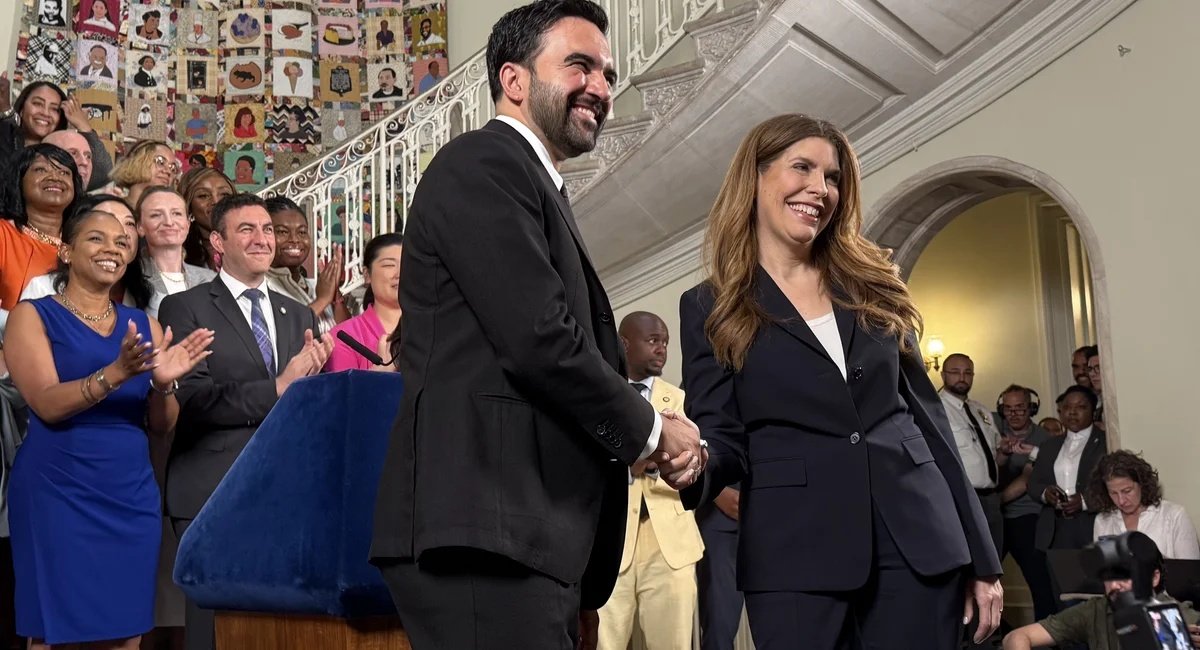
Mayor Mamdani And City Council Strike Budget Deal That Expands Housing Vouchers