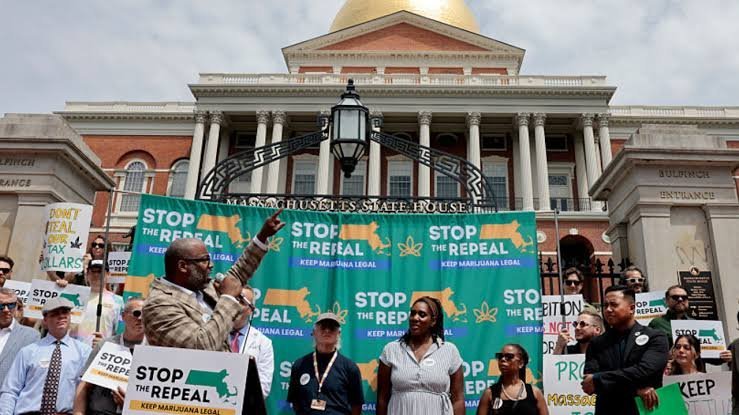
Ten years after voters in Massachusetts approved a ballot item legalizing the recreational use of marijuana. On Tuesday, they’ll be asked if they’d like to change their mind.
Among the items Massachusetts voters will see on the ballot this election day is Question 8, which would prohibit the use of recreational marijuana. Should the measure pass, it would end a tax revenue stream that brought in approximately $330 million in fiscal 2025. (Marijuana sales face a 10.75% state excise tax, up to a 3% local tax and a 6.25% state tax. Medical marijuana sales are tax free.)
The bill would not impact medical marijuana sales. And adults who possess one ounce or less wouldn’t face criminal penalties, under the legislation.
What’s driving the vote?
Massachusetts’ vote to legalize recreational marijuana a decade ago was hardly a landslide victory for weed enthusiasts. In 2016, roughly 54% of voters said yes to the proposal. In 2008, the state decriminalized small amounts of marijuana. Last year, a petition called “An Act to Restore a Sensible Marijuana Policy” gathered enough signatures to make it onto the ballot. Cannabis proponents have tried several times to block the measure in court, but have not found success. Supporters of the movement point to a study from Mass General Brigham that found cannabis use and cannabis-related disorders had increased among 12- to 17-year-olds since recreational sales began in 2018. They also argue the tax revenue doesn’t cover things like lost productivity, increased health care costs and criminal activity.
Massachusetts could become the first state to repeal legal weed Tuesday — and give up roughly $330M a year in taxes