Billionaire’s proposed 2027 giveaway could be worth more than $10 billion, but key details remain unclear
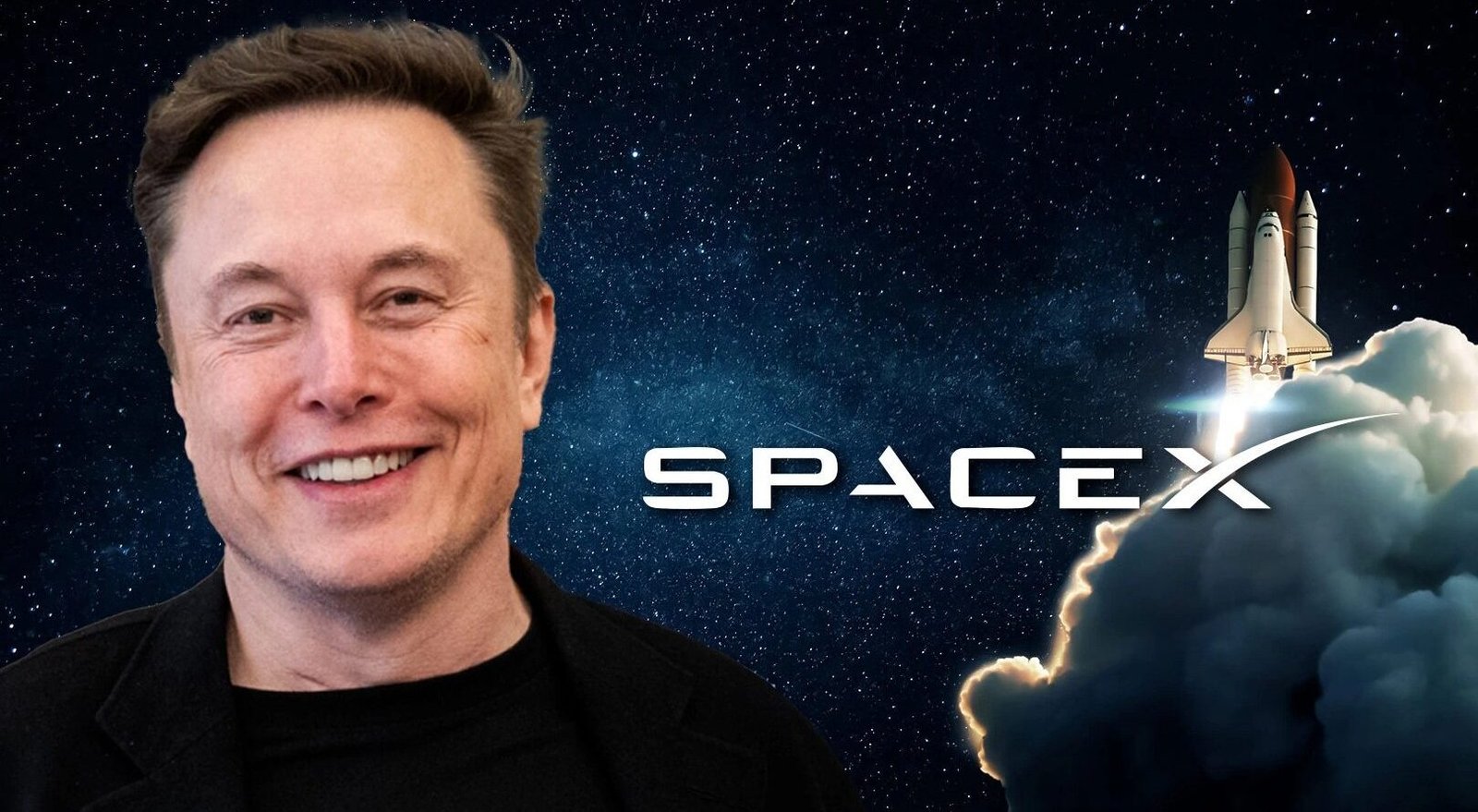
Fauzia J. Choudhury: — Billionaire entrepreneur Elon Musk has pledged to give one share of his space and technology company, SpaceX, to every child in the United States next year, a proposal that could distribute stock worth more than $10 billion if carried out as announced.
Musk made the announcement Monday in a post on X, writing that he would give one of his SpaceX shares to “every kid in America” in 2027. He added that the initiative would be “the first of many.”
With approximately 73 million children under age 18 in the United States and SpaceX shares closing at $146.03 on Friday, the proposed distribution could be valued at roughly $10.7 billion at that price. The actual value would depend on the stock price when the shares are transferred.
Distribution Plan Remains Unclear
Musk has not released details explaining how the shares would be distributed, how eligibility would be determined or when the transfers would take place.
One possible mechanism could involve Trump Accounts, the federally established investment accounts for children. However, Musk has not confirmed that he will use the program to fulfill his pledge.
The announcement has drawn attention because of the potential scale of the proposed transfer. Giving a share to every American child would extend stock ownership to millions of young people, although the financial benefit would depend on the future performance of SpaceX shares.
Announcement Follows Anthropic’s Initiative
Musk’s pledge came a day after artificial intelligence company Anthropic announced plans to commit 5% of its shares to a new public-benefit fund.
Responding to Anthropic’s announcement, Musk advocated distributing shares directly to the public rather than channeling them through a separate fund.
The two announcements have renewed discussion about how major technology companies and their founders might distribute wealth as artificial intelligence reshapes the economy.
Questions Over Long-Term Impact
The proposed giveaway comes amid growing debate over the economic consequences of artificial intelligence, including potential job displacement, wealth concentration and the future distribution of economic gains.
Musk has argued that advances in AI and robotics could eventually produce widespread abundance and reduce the need for traditional employment. He has also discussed government payments as a possible response to job losses caused by automation.
For now, his pledge remains a promise rather than a completed distribution. Until Musk provides a detailed implementation plan, the eligibility rules, timing and final value of the proposed gifts remain uncertain.