

CNN, MS NOW and Politico challenge White House access restrictions in federal court; major television networks suspend presidential pool coverage amid escalating First Amendment dispute
Sadia J. Choudhury:— The Trump administration is facing a growing legal and media confrontation after CNN, MS NOW and Politico sued over being barred from the White House, arguing that the restrictions violate constitutional protections for freedom of the press and due process.
The three news organizations filed a federal lawsuit Monday after their journalists were denied access to the White House grounds and their press credentials were deactivated. They are seeking a temporary restraining order that would restore their access while the broader legal dispute moves forward. A hearing is scheduled for Wednesday in federal court in Washington, D.C.
The dispute began after President Donald Trump announced that the three outlets would be excluded from the White House, accusing them of publishing what he described as “fake news.” The administration has maintained that White House access is a privilege rather than an unrestricted right and said the outlets remain free to report from outside the complex.
The media organizations, however, argue that the government cannot selectively restrict journalists because of the content or viewpoint of their reporting. Their lawsuit also contends that the sudden deactivation of press credentials without advance notice or an opportunity to challenge the decision violated Fifth Amendment due-process protections.
Television Coverage Suspended
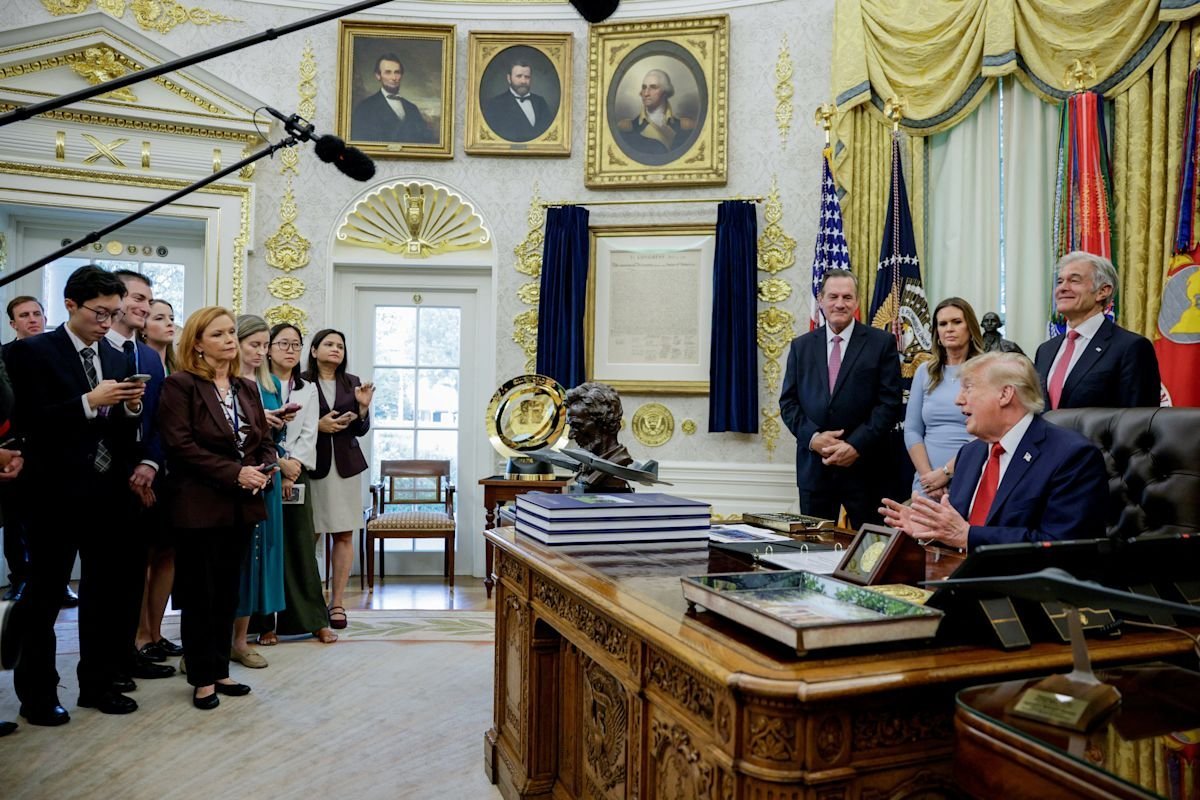
The confrontation has also disrupted the White House television press pool, a cooperative system involving ABC, CBS, CNN, Fox News and NBC that rotates responsibility for covering presidential events and distributes video footage to other news organizations.
CNN had been scheduled to provide pool coverage of Trump’s trip to New York for the United Nations General Assembly. After the White House prevented CNN from carrying out that assignment, the remaining networks suspended the presidential television pool rather than replacing CNN.
The decision means that major presidential events may no longer have the traditional shared television camera and audio feed used by broadcasters across the country.
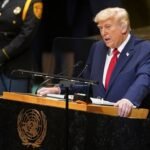
The dispute comes as Trump is in New York for the U.N. General Assembly, where his public appearances and meetings with world leaders are drawing international attention. The suspension therefore affects not only White House coverage in Washington but also television coverage of the president during a major diplomatic week in New York.
A Constitutional Question
At the center of the case is a broader question about the relationship between presidential control of access and the constitutional protections afforded to the press.
The White House has considerable authority over access to restricted spaces, particularly locations with limited capacity or security concerns. But legal experts cited in recent reporting have distinguished that authority from excluding journalists because officials object to their reporting or viewpoints.
The case has been assigned to U.S. District Judge Timothy Kelly, who previously ordered the restoration of CNN reporter Jim Acosta’s White House press access during Trump’s first presidency. Kelly is scheduled to hear arguments on the request for temporary relief Wednesday.
White House Launches “Trump TV”
The dispute has unfolded alongside the White House launch of a new streaming platform known as “Trump TV,” featuring presidential remarks, administration videos and other White House-produced material.
The development adds another dimension to the confrontation between the administration and traditional news organizations, as the White House expands its ability to distribute presidential content directly to the public.
The legal battle now moves to federal court, where judges will consider the limits of presidential control over press access and the constitutional protections that apply once government facilities and proceedings are opened to journalists.
For Washington, the fight represents a major test of the boundaries between presidential authority and independent news coverage. For New York, the dispute arrives as the United Nations General Assembly places the city at the center of international diplomacy.
The immediate question before the court is whether the administration can exclude particular news organizations from established White House access because of disagreement with their reporting—and where the Constitution draws the line between presidential control and press freedom.