Courtroom battle over federal immigration operations continues; key ruling expected in November
Sadia J. Choudhury:
— A federal judge has rejected a subpoena seeking records related to federal immigration enforcement operations as Illinois and Chicago continue their legal challenge to the Trump administration’s immigration crackdown.
U.S. District Judge Sara Ellis ruled Monday that extensive document discovery could be premature while the court considers the federal government’s request to dismiss portions of the lawsuit. The decision does not end the underlying case, and the plaintiffs may seek records again at a later stage.
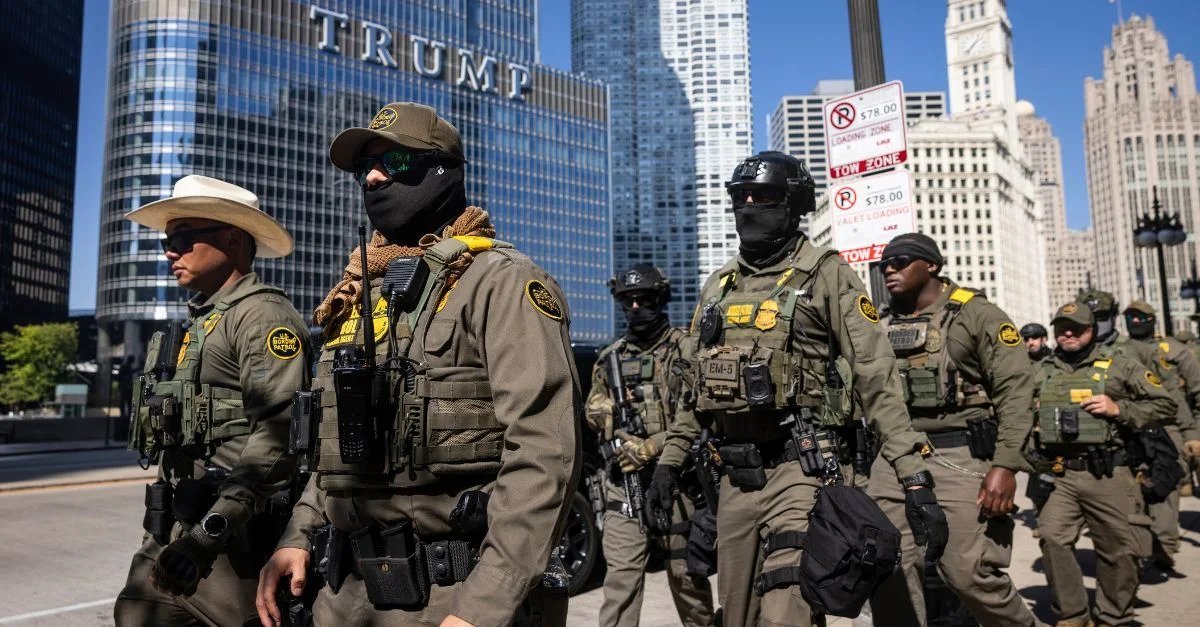
Illinois and Chicago have challenged federal immigration enforcement activities conducted under Operation Midway Blitz, alleging that federal agents used aggressive tactics and engaged in practices that violated legal protections. The allegations include questioning individuals without adequate justification, changing license plates on vehicles and making arrests without proper warrants. These claims remain subject to judicial review and should not be treated as established findings of wrongdoing.
As part of their legal effort, state and city officials sought records connected to a separate case in California. The requested materials reportedly included immigration enforcement directives, emails, text messages and mobile phone records.
Justice Department attorneys opposed the request, arguing that it was overly broad and raised concerns about the confidentiality of information involved in litigation elsewhere.
Judge Ellis concluded that gathering extensive records before determining which claims will proceed could create unnecessary burdens and complications. Her ruling leaves open the possibility of renewed efforts to obtain the documents as the case advances.
A decision on the federal government’s motion to dismiss portions of the lawsuit could come as early as November 17, according to the report.
The lawsuit seeks to challenge the scope and methods of federal immigration enforcement, including operations in sensitive locations such as schools, courthouses and hospitals, as well as the collection and use of personal information.
The case is part of a broader national legal debate over the limits of federal immigration authority and the rights of state and local governments to challenge enforcement practices.
The court’s next decisions could help determine how the lawsuit proceeds and whether Illinois and Chicago will be able to obtain additional records to support their claims.