

Earlier this month, there were few signs that California Attorney General Rob Bonta and Paramount Chief Executive David Ellison were moving any closer to resolving their differences.
Paramount and the coalition of states Bonta was leading in an antitrust suit seeking to block the company’s $81 billion merger with Warner Bros. Discovery were having on and off settlement negotiations, but little progress had been made, according to people close to the discussions.
The clock was ticking for Ellison. He had spent a year fighting for the merger and was staring down the prospect of costly fees the company had agreed to in order to clinch the deal. Paramount would have to pay $650 million a quarter to Warner shareholders, or $7 million a day, starting Oct. 1 if the deal wasn’t closed.
Bonta was under pressure, too. Paramount, the studio behind “The Godfather” and “Titanic,” had threatened to leave its home state, which would be an economic and symbolic blow to a city already suffering from a leaner Hollywood. Paramount held talks with officials in Tennessee, people familiar with the discussions said.
In conversations with the attorney general, California Gov. Gavin Newsom reiterated concerns that losing Paramount would hurt the state’s economic engine. Newsom was concerned Bonta would lose at trial and at times acted as an unofficial mediator between the two sides, people familiar with the matter said.
Then, last week, Ellison made his biggest concession yet: to spend at least $1.5 billion more on domestic production over five years, people familiar with the offer said.
He flew between Los Angeles and Northern California to meet with Bonta, his staff and other attorneys general to complete settlement terms, from the editorial independence of CBS and CNN to allocating money for entertainment worker benefits and the potential sale of cable channels.
Ellison emerged victorious. In the settlement announced Monday, Paramount agreed to concessions including new investments in domestic production and penalties if it doesn’t make good on certain promises, but avoided significant structural changes.
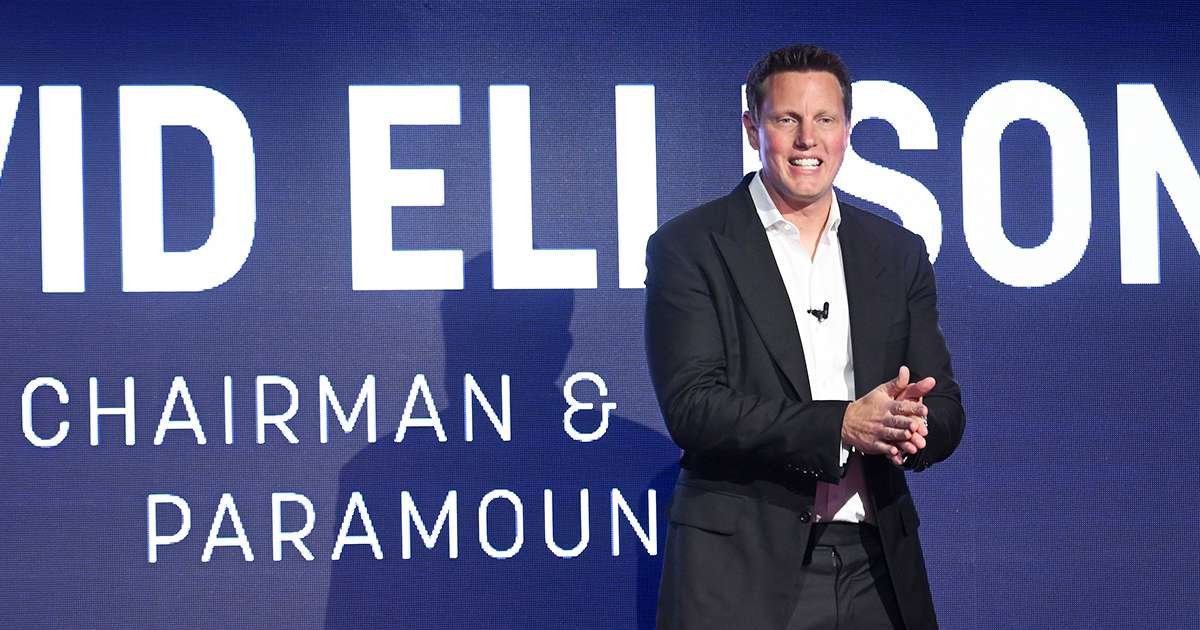
The $1.5 billion concession that unlocked Paramount’s deal with California