


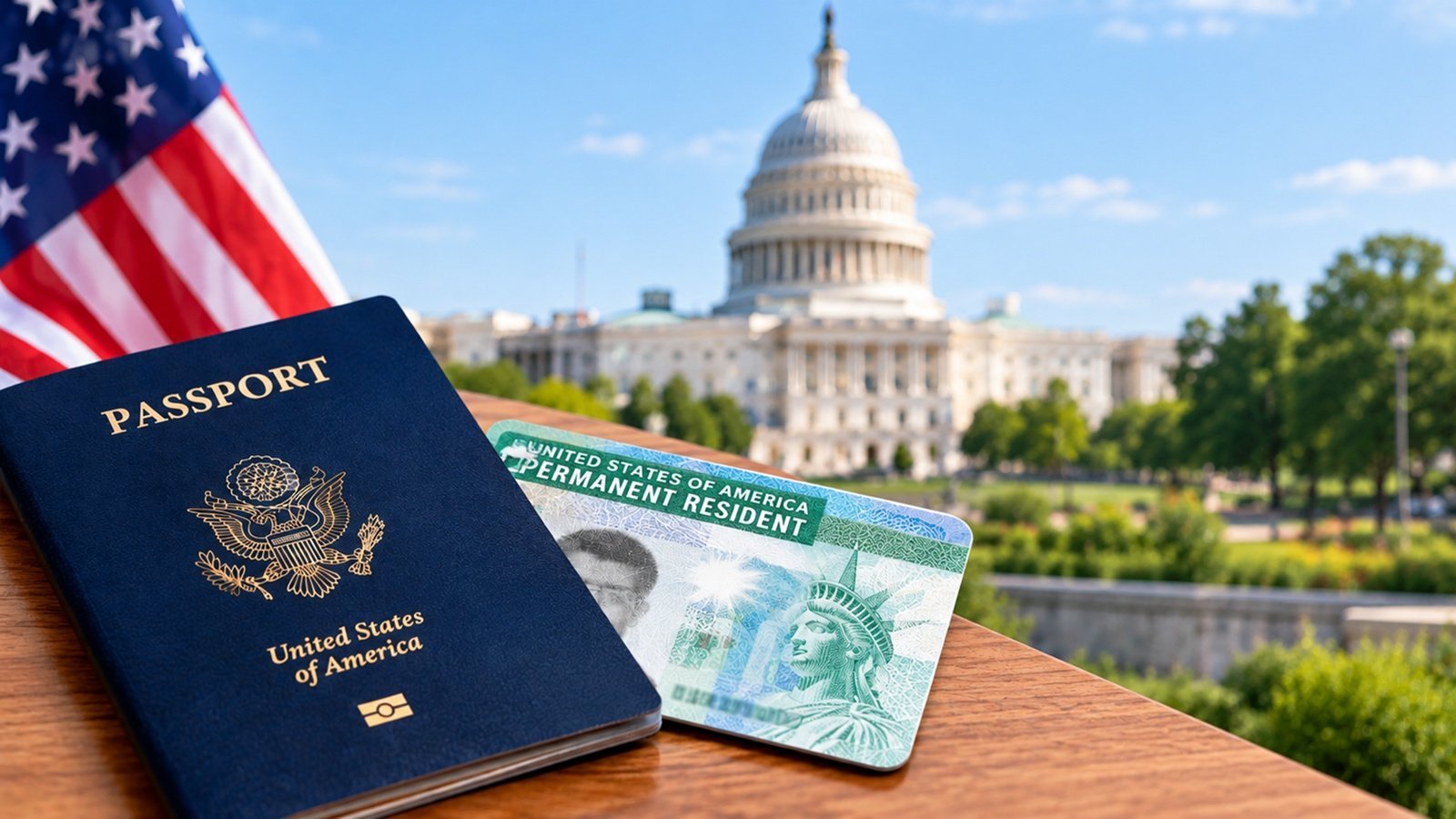
Fiscal-year deadline, visa availability and new public-charge rules could affect some applicants
Sadia J. Choudhury:
— Green card applicants are facing several important immigration developments as the federal fiscal year comes to an end on September 30, 2026. Visa availability in certain employment-based categories and new public-charge rules could affect the timing and review of some permanent-residency applications.
One of the key issues is the annual limit on employment-based immigrant visas. When the number of available visas in a particular category is reached, the government generally cannot issue additional immigrant visas in that category during the remainder of the fiscal year.
For some applicants, this can mean additional waiting time rather than the cancellation of an application. A pending case may remain in the system until a visa number becomes available again, depending on the applicant’s category and immigration process.
Visa Availability Remains Critical
Applicants should pay close attention to their priority dates and the monthly Visa Bulletin issued by the U.S. Department of State. Visa availability can vary significantly by employment category and country of chargeability.
The beginning of a new fiscal year on October 1 brings a new annual allocation of immigrant visas. However, that does not guarantee that every category will immediately become current or that all applicants will see the same movement in priority dates.
The timing depends on visa demand, statutory limits and the number of applications being processed.
New Public-Charge Considerations
Another significant development involves the federal government’s updated public-charge regulations, which took effect September 18, 2026.
For certain applicants for adjustment of status, immigration officers may consider a range of factors when assessing whether an applicant is likely to become a public charge. These can include age, health, family circumstances, financial resources, assets, education, skills and overall financial situation.
The use of certain public benefits may also be considered under the applicable rules. However, receiving a government benefit does not automatically mean that a green card application will be denied. Public-charge determinations are based on the circumstances of the individual case and applicable exemptions.
Certain categories of immigrants, including some refugees, asylees, trafficking and crime victims, and VAWA self-petitioners, may be exempt from the public-charge provisions.
What Applicants Should Know
Immigration cases are highly individual. An approved petition does not necessarily mean that an immigrant visa number is immediately available, and visa availability can change from month to month.
Applicants with pending Form I-485, approved employment-based petitions or priority dates approaching the applicable cutoff should review the latest Visa Bulletin and USCIS guidance carefully.
Because immigration rules and individual circumstances can have significant legal consequences, applicants should consider consulting a qualified immigration attorney or accredited representative before making decisions about their cases.
This article is provided for general information and does not constitute legal advice.