


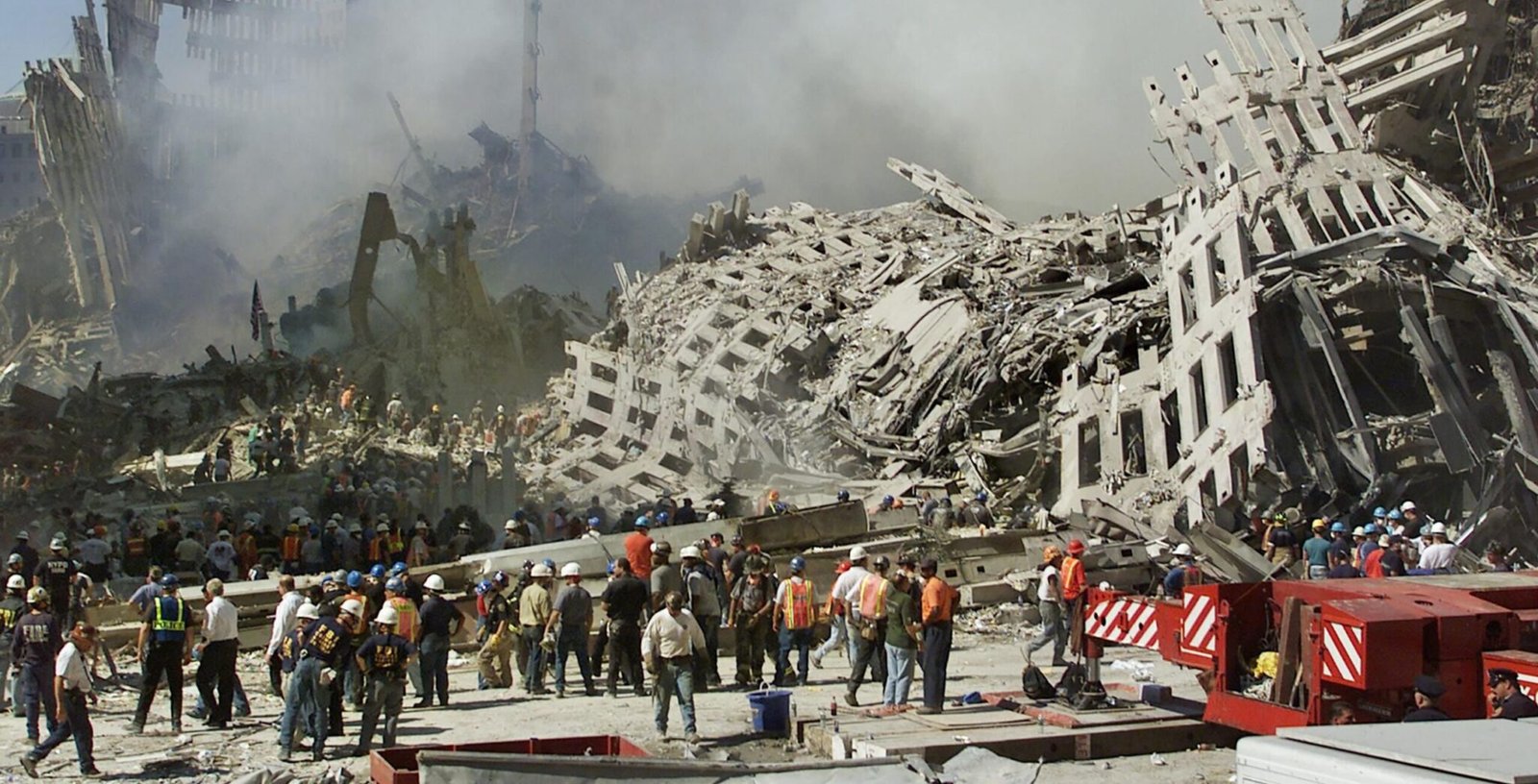
Salman J. Choudhury: — The New York City administration has released more than 170,000 pages of records documenting air-quality concerns and environmental conditions in Lower Manhattan following the September 11, 2001 terrorist attacks.
The release comes as New York prepares to mark the 25th anniversary of 9/11 and is expected to provide new insight into what city officials knew about toxic conditions around Ground Zero in the weeks and months following the attacks.
The records include air-quality reports, contamination data and internal correspondence among city officials. According to city officials, the documents were stored in 68 boxes at a city office, with many of the records only discovered last year.
The newly released material raises renewed questions about the information available to government officials at the time and the assurances given to residents, workers and first responders regarding the safety of the air around the World Trade Center site.
For years, survivors, first responders, residents and advocates have sought greater transparency concerning the environmental hazards that followed the collapse of the Twin Towers. Exposure to dust and other contaminants has since been associated with serious long-term health consequences among people who lived, worked or participated in rescue and recovery efforts in Lower Manhattan.
Mayor Zohran Mamdani’s administration said the release is part of an effort to increase transparency and make historically significant records accessible to the public. Officials said additional documents will be reviewed, appropriately redacted when necessary and released in the coming months.
The records are expected to shed further light on the city’s response to the unprecedented environmental crisis that followed the attacks, including how air-quality information was collected, communicated and handled by government agencies.
The disclosure comes at a significant moment, as New York approaches the 25th anniversary of the attacks. While the immediate loss of life remains central to the memory of September 11, the long-term health consequences of toxic exposure have become an increasingly important part of the city’s 9/11 history.
The release of the documents could also provide survivors and affected families with additional information as they continue to seek answers about the environmental conditions they encountered after the attacks.
City officials said the document review will continue and that more records are expected to become publicly available over the coming year.
For thousands of New Yorkers who have lived with the consequences of 9/11 for a quarter century, the release represents another step toward documenting the full history of the disaster—including what happened not only on September 11, but in the days, months and years that followed.