

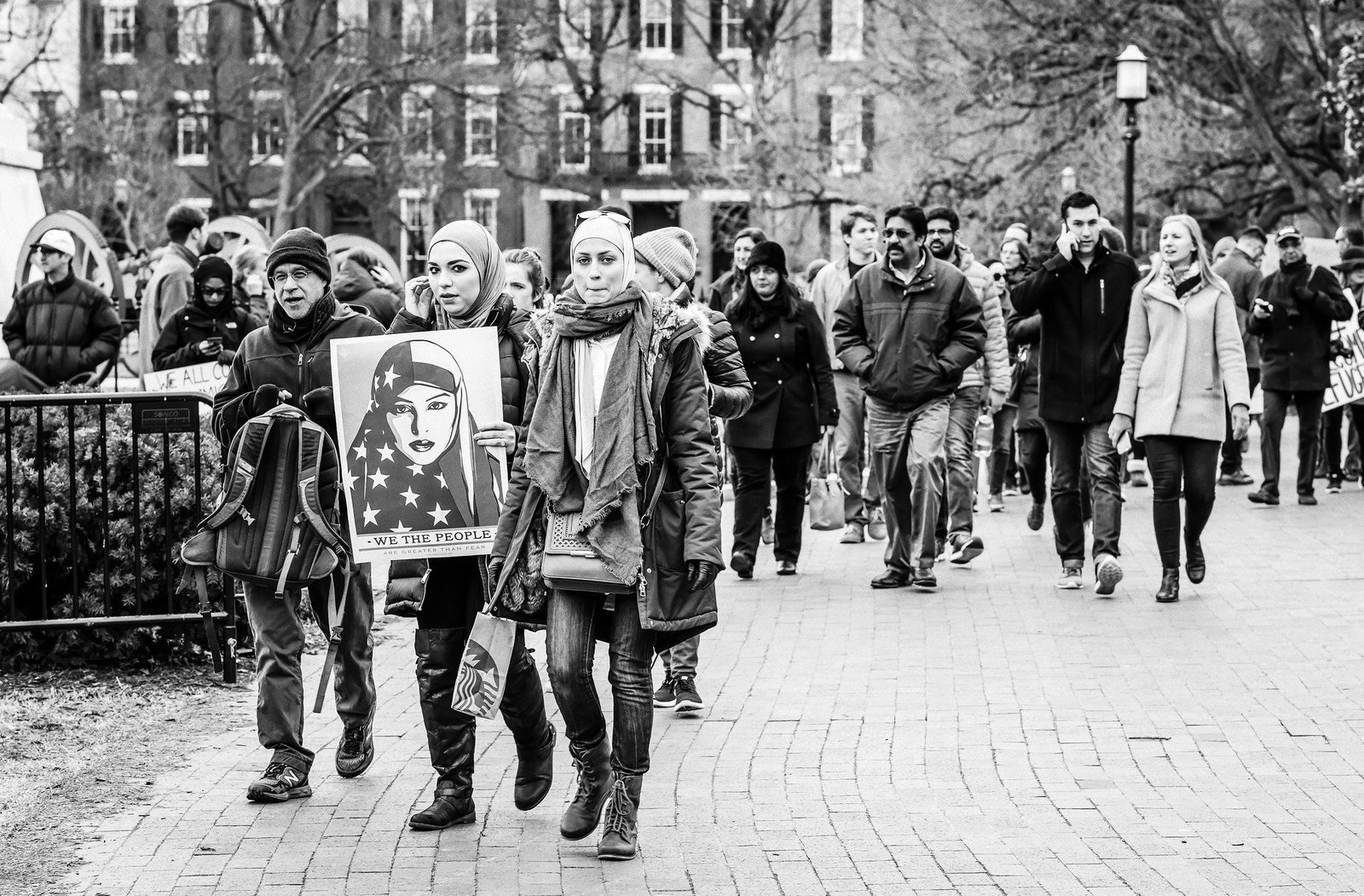
Fauzia J. Choudhury:— In the aftermath of the September 11 attacks, Muslims and South Asian immigrants across New York City and beyond faced discrimination, surveillance, harassment and growing fears about their safety and identity. Over the past 25 years, however, those experiences have helped fuel a new generation of civic awareness, community organizing and political participation.
For many young Muslims who grew up in the years following 9/11, encounters with Islamophobia became a catalyst for civic engagement. Some who experienced discrimination firsthand later became involved in civil rights advocacy, immigration issues and efforts to strengthen political representation for their communities.
The post-9/11 period also brought heightened scrutiny of Muslim and South Asian communities. Concerns surrounding surveillance of mosques, student organizations and Muslim-owned businesses contributed to a broader debate over civil liberties and equal treatment. These experiences encouraged community leaders and activists to organize around issues of rights, representation and inclusion.
One of the most visible examples of this organizing was the campaign to recognize Eid holidays in New York City public schools. Muslim organizations joined forces with religious, ethnic and labor groups to push for the inclusion of Eid al-Fitr and Eid al-Adha in the public-school calendar. After years of advocacy, New York City announced in 2015 that public schools would close for the two Muslim holidays.
Political engagement also became an increasingly important part of the movement. The establishment of organizations such as the Muslim Democratic Club of New York helped encourage voter registration, civic participation and greater political involvement within the Muslim community.
Over time, that grassroots organizing contributed to a growing presence of Muslim voices in New York politics. Community activists and civil rights advocates increasingly moved into positions of public leadership, reflecting a broader transformation in the city’s political landscape.
The change is particularly significant for a generation that came of age during the uncertainty and fear that followed 9/11. Communities that once felt marginalized are now increasingly represented in the city’s political, civic and administrative institutions.
The story of New York’s Muslim political awakening is therefore not simply a story of one community’s rise in political influence. It is also part of the larger evolution of a city shaped by immigration, diversity, civil rights and democratic participation.
More than two decades after 9/11, the experiences of discrimination and exclusion have, in many cases, been transformed into organized civic engagement and political participation. For New York’s Muslim community, that journey represents a complex history of pain, resilience, advocacy and an increasingly visible place in the city’s public life.