

By Sadia J. Choudhury
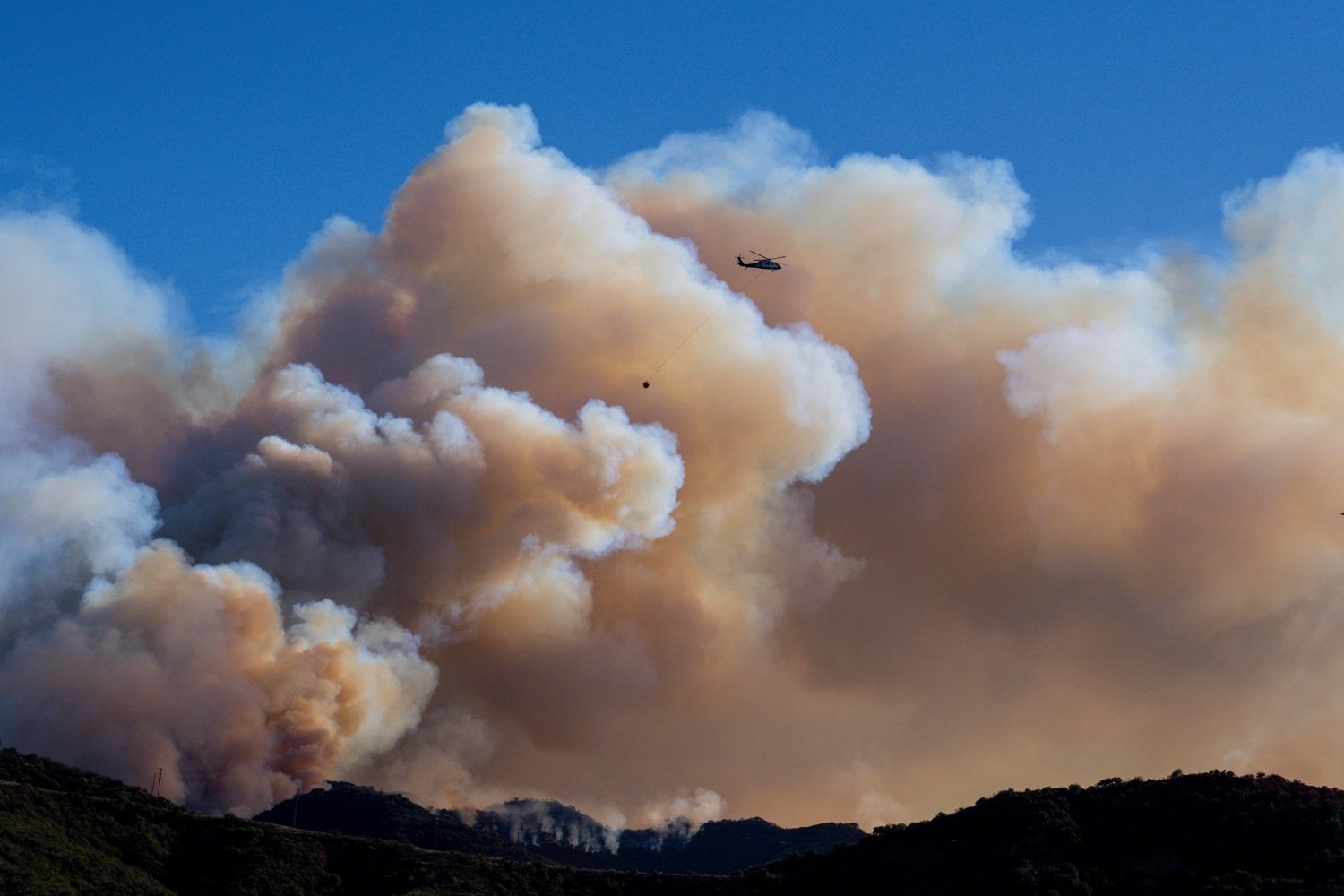
A thick blanket of smoke from rapidly spreading wildfires has engulfed vast regions, turning once-clear skies into a persistent haze and raising serious public health concerns. Authorities across affected areas have issued air quality alerts, urging residents to remain indoors as visibility drops and pollution levels reach hazardous limits.
According to environmental monitoring agencies, the Air Quality Index (AQI) in several locations has surged into unhealthy and even dangerous ranges. The smoke—laden with fine particulate matter known as PM2.5—poses significant risks to human health. Medical professionals warn that prolonged exposure can lead to respiratory distress, aggravated asthma, cardiovascular complications, and other long-term health issues. Hospitals and clinics are already reporting a noticeable rise in patients experiencing breathing difficulties and related symptoms.
Firefighters continue to battle multiple wildfire fronts, often under challenging conditions marked by high temperatures, dry winds, and limited humidity. Emergency response teams have been mobilized, and in some regions, evacuation orders have been issued to ensure public safety. Authorities are also distributing masks and advising the use of air filtration systems in homes and public buildings.
Experts point to climate change as a major contributing factor behind the increasing intensity and frequency of wildfires. Prolonged droughts, extreme heatwaves, and shifting weather patterns have created an environment where forests and grasslands ignite more easily and burn more aggressively. Environmental advocates stress that without immediate and sustained action to address climate change, such crises are likely to become more frequent and severe.
In addition to the direct health impacts, the economic and environmental toll of wildfires continues to mount. Damage to ecosystems, wildlife habitats, and infrastructure adds to the long-term consequences of these disasters. The haze drifting across regions also disrupts daily life, affecting transportation, outdoor work, and community activities.
Public health officials strongly recommend that residents limit outdoor exposure, wear protective masks when necessary, keep windows closed, and stay updated through official advisories. Vulnerable groups—including children, the elderly, and individuals with pre-existing health conditions—are urged to take extra precautions.
As wildfire smoke continues to spread, the situation stands as a powerful reminder of the fragile balance between nature and human activity. It underscores the urgent need for global awareness, preparedness, and collective action to safeguard both the environment and public health.