

US-Iran Tensions Reach Critical Point; Global Concerns Rise Over Strait of Hormuz and World Economy
By Shah J. Choudhury, New York
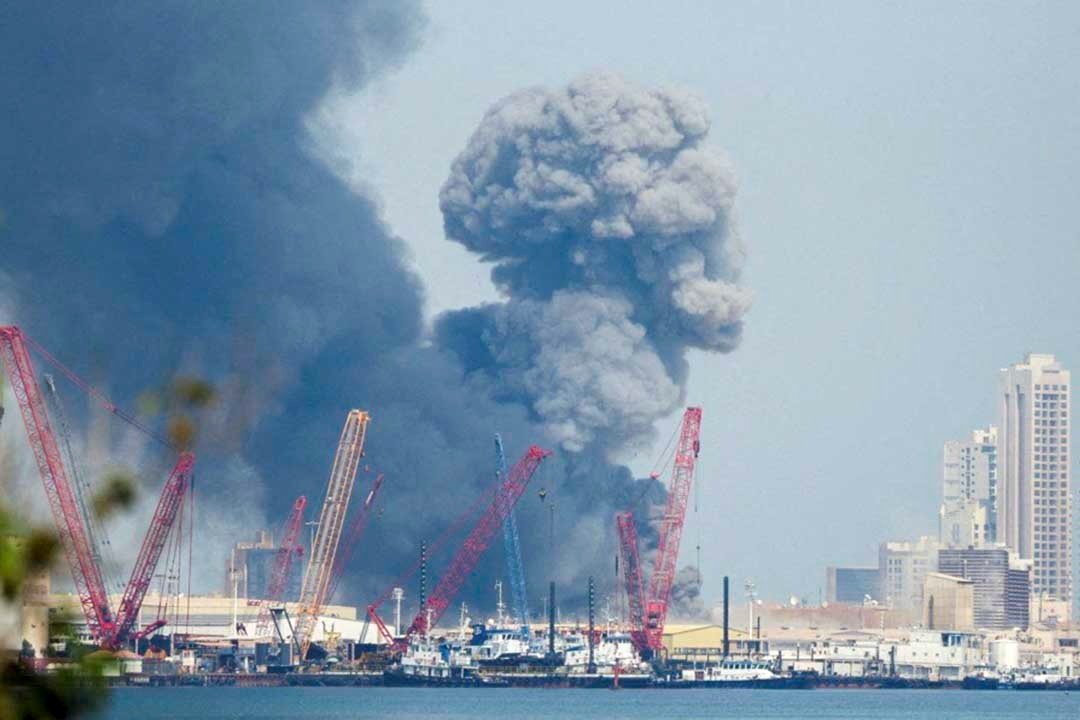
Tensions between the United States and Iran have entered a critical phase, raising concerns across the world over the possibility of a broader conflict in the Middle East. Increased military activity, retaliatory threats, and growing regional instability have heightened fears of further escalation.
At the center of the crisis is the strategically vital Strait of Hormuz, one of the world’s most important energy shipping routes. Any major disruption in the region could have serious consequences for global oil supplies, fuel prices, and the international economy.
The Trump administration has defended its actions as necessary to protect U.S. national security interests. However, critics warn that continued escalation could lead to a prolonged regional crisis with unpredictable consequences.
Iran has also vowed to respond to U.S. actions, increasing concerns that the confrontation could expand beyond the two countries and involve other regional powers.
Meanwhile, world leaders are urging both Washington and Tehran to exercise restraint and seek diplomatic solutions. The international community is closely monitoring whether the two sides will move toward negotiations or continue on a path of confrontation.
Experts say the U.S.-Iran crisis is not only a Middle East security issue but also a global concern that could impact energy markets, international trade, and geopolitical stability.
Crisis at a Glance
U.S.-Iran military tensions continue to rise
Strait of Hormuz remains at the center of global concern
Energy markets face growing uncertainty
International calls for diplomacy are increasing