


Shah J. Choudhury
New York : A newly passed immigration-related law in Mississippi has triggered a nationwide debate, as it authorizes state authorities to potentially create a detailed registry of undocumented immigrants living within the state. Under the legislation, the Mississippi Department of Public Safety (DPS) is empowered to use lawful investigative methods to identify and estimate the number of undocumented immigrants. The proposed database may include personal information such as names, addresses, countries of origin, age status, criminal history, and deportation records. Uncertainty Over Federal Data Sharing
While the law allows sharing of collected information with state and local law enforcement agencies, it remains unclear whether the data will be shared with federal immigration authorities, including U.S. Immigration and Customs Enforcement (ICE). The legislation does not provide explicit guidance on federal coordination.
Supporters Cite Security and Transparency
Supporters, largely Republican lawmakers, argue that the measure is necessary to understand the scale of illegal immigration in the state. They believe accurate data will help strengthen public safety policies and address issues such as crime, drug trafficking, and human smuggling.
Critics Warn of Discrimination Risks
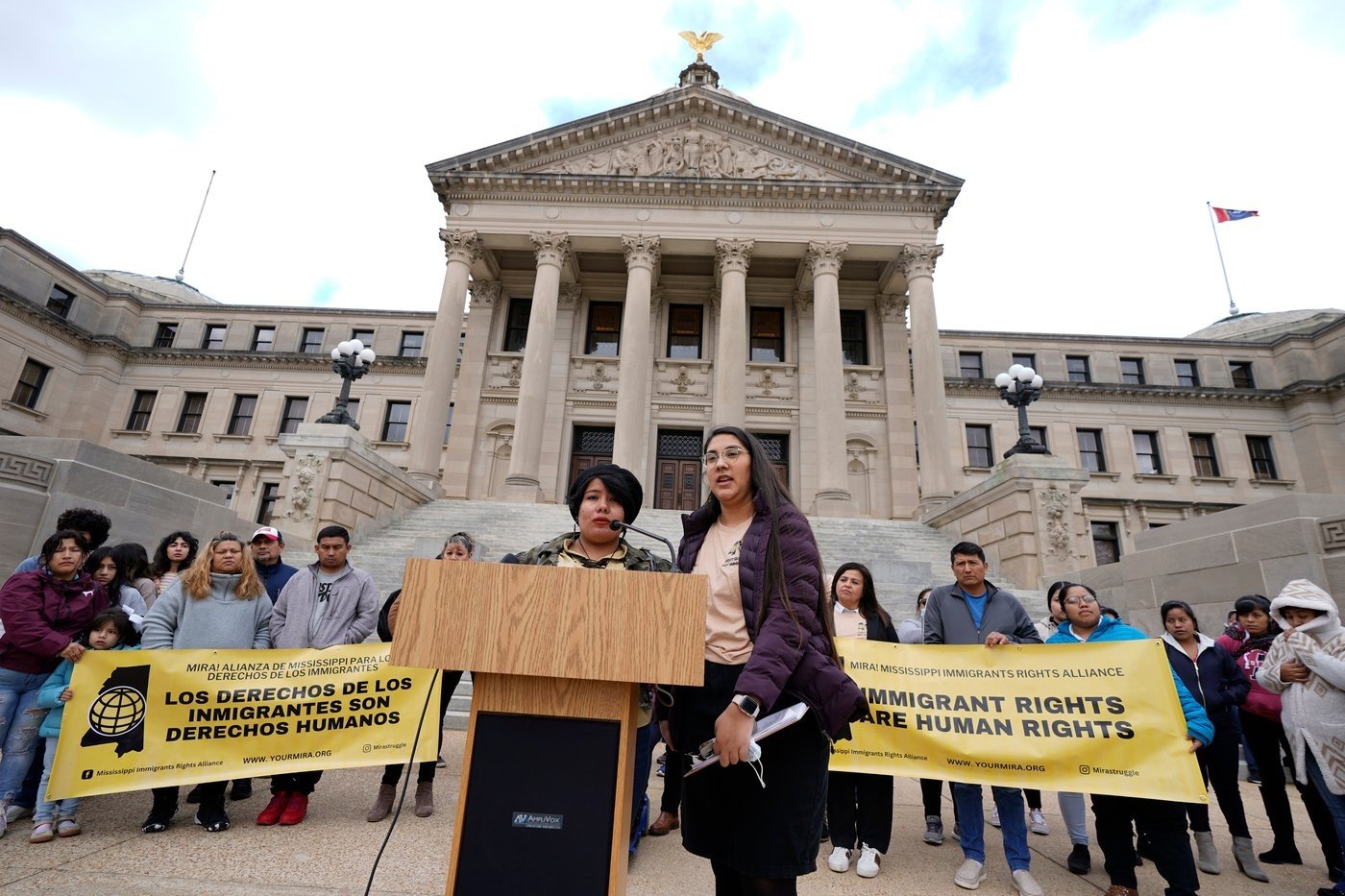
However, immigrant rights groups and civil liberties advocates have strongly criticized the law. They warn that the registry could lead to racial profiling and create fear within immigrant communities.
According to critics, such measures may discourage undocumented individuals from cooperating with law enforcement or accessing essential public services, ultimately weakening public trust.
Implementation Challenges
Experts also point out that maintaining an accurate registry could be highly complex. Immigration status often changes, and individuals frequently move between states, making long-term tracking difficult and potentially unreliable.
Broader National Implications
Although undocumented immigrants represent a small percentage of Mississippi’s population, the law has reignited a broader national conversation on immigration enforcement and policy in the United States.
Observers suggest that, if implemented, the registry could become part of larger enforcement strategies in the future, potentially influencing deportation policies and immigration reform debates nationwide.