


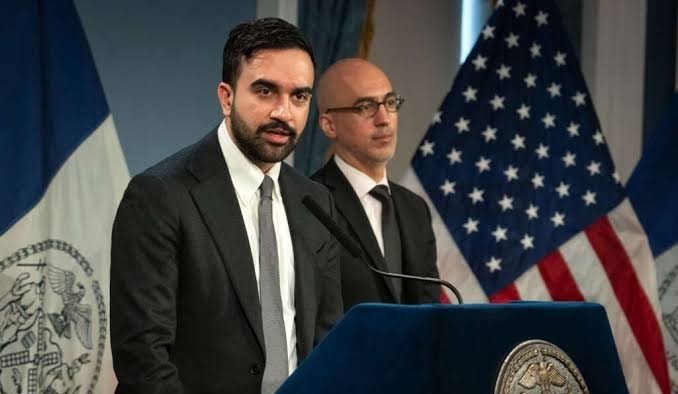
Sadia J. Choudhury: — A major legal and political battle is unfolding in New York City over a new law that would provide thousands of public-school paraprofessionals with up to $10,000 in additional payments as the city struggles to recruit and retain these essential education workers.
The legislation, known as the “Respect Check” law, took effect Wednesday, August 19, after the City Council unanimously approved it in July. However, Mayor Zohran Mamdani’s administration has announced plans to challenge the measure in court, arguing that the City Council’s action interferes with the collective bargaining process between the city and municipal labor unions.
The dispute could affect approximately 26,000 paraprofessionals, who provide critical classroom support to students, including children with disabilities and students requiring additional educational assistance.
Up to $10,000 in Additional Payments
Under the new law, eligible paraprofessionals could receive as much as $10,000 in workforce stabilization payments based on their work during the 2026–27 school year.
The payments are structured to be distributed in installments rather than as a permanent increase to base salary. The first payment is scheduled for January 2027, followed by additional installments later in the year.
The legislation was introduced amid concerns about relatively low paraprofessional salaries and persistent vacancies in the city’s schools. According to the reporting, paraprofessional salaries currently range roughly from $34,000 to $54,000, while the union has cited approximately 1,600 vacant paraprofessional positions during the previous school year.
Why Is the Mamdani Administration Opposed?
The administration’s objection centers on how compensation is determined, rather than simply whether paraprofessionals deserve better pay.
Mamdani administration officials argue that compensation and working conditions should be addressed through negotiations between the city and the workers’ union. They contend that allowing the City Council to establish compensation outside the collective bargaining process could undermine the traditional labor-negotiation system and create a precedent for future disputes.
The administration has indicated that it recognizes the financial challenges facing paraprofessionals and supports finding a long-term solution, but believes that solution should emerge through negotiations with the United Federation of Teachers.
UFT Vows to Fight Back
The United Federation of Teachers (UFT) has strongly defended the law and rejected the administration’s position.
UFT President Michael Mulgrew has said the union will support the legislation in court. Union leaders argue that paraprofessionals perform essential work in New York City classrooms and deserve meaningful financial support.
For years, paraprofessionals have played a critical role in supporting teachers and students, particularly in special education classrooms. Supporters of the law say the additional payments could help the city address staffing shortages and make paraprofessional positions more attractive to prospective workers.
More Than a $10,000 Dispute
The emerging court battle is about far more than the dollar amount.
At its core is a broader question over the balance of power between the New York City Council, the mayor’s administration and organized labor.
Supporters of the law see the payments as an urgent response to a staffing crisis in the city’s schools. The Mamdani administration, meanwhile, argues that compensation agreements should remain within the established collective bargaining framework.
The outcome could therefore have implications beyond the city’s paraprofessionals. A court ruling could potentially shape how future compensation measures involving city workers are negotiated and enacted.
What Happens Next?
Although the law has taken effect, the administration’s legal challenge has created uncertainty over whether paraprofessionals will receive the payments on the original schedule.
For thousands of school workers, the issue is immediate and personal: Will the promised $10,000 reach their paychecks—or will the legal battle delay or block the payments?
For New York City, the case represents a significant test of how the city addresses workforce shortages while balancing fiscal responsibility, legislative authority and collective bargaining rights.
BY THE NUMBERS
* $10,000: Maximum additional payment for eligible paraprofessionals
* 26,000: Approximately affected school paraprofessionals
* $34,000–$54,000: Approximate current salary range
* 1,600: Reported vacant paraprofessional positions during the previous school year
* 4: Planned payment installments
* August 19, 2026: Date the law took effect
The Bottom Line: A law designed to strengthen New York City’s school workforce has now become the center of a high-stakes legal confrontation over pay, labor negotiations and the power of City Hall and the City Council.