


Sadia J. Choudhury :
The growing number of U.S. military casualties in the ongoing conflict with Iran has renewed debate over the human cost of the war and the broader consequences of continued military action in the Middle East.
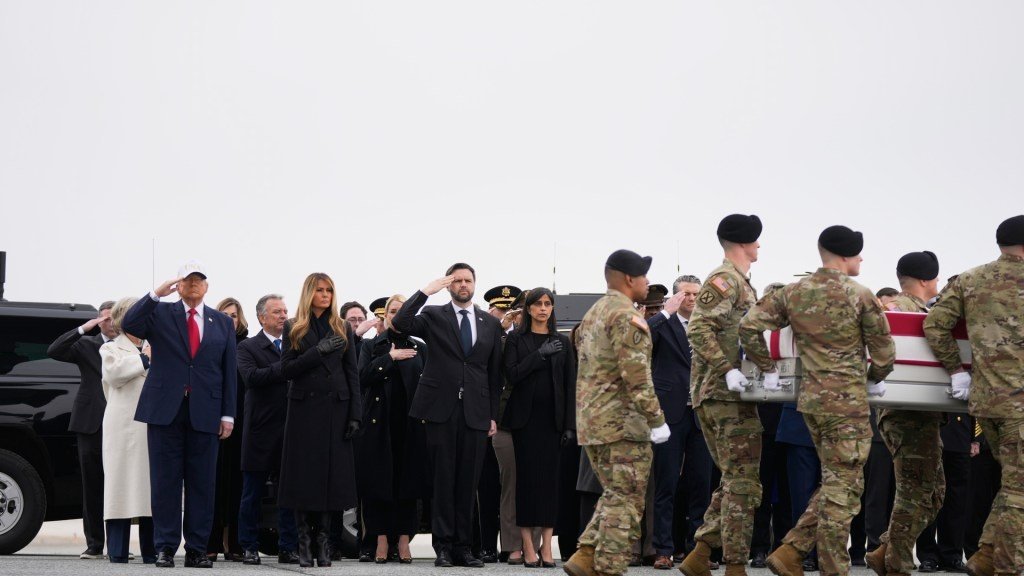
The deaths of American service members have brought renewed attention to the risks faced by U.S. forces deployed in the region. The return of the fallen service members has also underscored the mounting personal and national toll of the conflict.
The latest casualties come amid heightened tensions between the United States and Iran, with military operations and retaliatory attacks raising concerns about the possibility of a wider regional escalation.
Beyond the loss of military personnel, the conflict has also increased concerns over regional stability, energy supplies and the security of key international shipping routes. The prolonged confrontation could further deepen economic and geopolitical uncertainty if diplomatic efforts fail to produce a lasting resolution.
The rising casualty figures have also prompted questions about the accuracy and timeliness of official military records, with reports suggesting discrepancies in the reporting of deaths and injuries. U.S. defense officials have attributed some differences to the ongoing process of updating casualty information.
As the conflict continues, international observers are closely watching developments and calling for diplomatic efforts to prevent further escalation. The growing number of military deaths has intensified calls for a broader discussion about the future of the conflict and the need for a sustainable path toward peace.
The coming days are expected to be critical as the United States and its allies assess the military, political and humanitarian consequences of the continuing confrontation with Iran.