

Husneara Choudhury :
A devastating glacier collapse and flash flooding across the Himalayan region have triggered a major humanitarian emergency along the China-Nepal border. Chinese authorities say 261 foreign nationals from 23 countries remain missing, while the combined death toll in Nepal and China has climbed to nearly 800, with more than 3,000 people still unaccounted for.
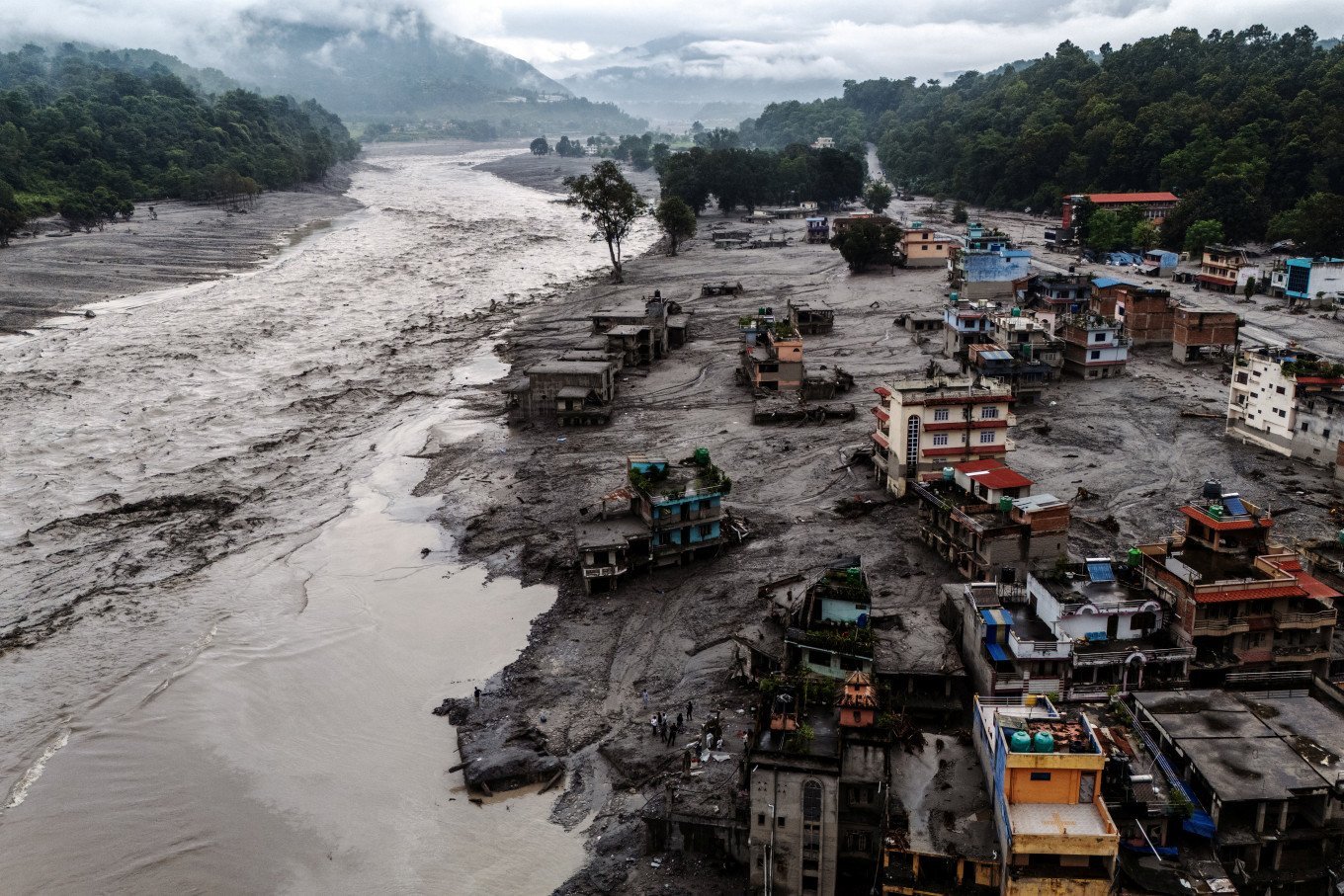
The disaster struck after a glacier collapsed, sending huge amounts of ice, rock, mud and debris rushing through mountain valleys and river systems. The powerful surge damaged homes, roads, bridges and critical infrastructure across parts of Nepal and Tibet.
Authorities in China’s Tibet Autonomous Region said 16 people have died and 546 remain missing in Gyirong County. Among the missing foreign nationals are 104 Nepalese, 49 Indians, 33 Latvians, 18 Americans and 15 British citizens.
Nepal has suffered extensive losses as well. Authorities reported 781 deaths and approximately 2,502 people missing, while more than 7,500 people have been rescued. More than 90,000 people are estimated to have been affected by the floods and landslides.
Rescue operations have been complicated by severe weather, unstable mountain terrain and rising river levels. Heavy rainfall has pushed water levels higher in the Trishuli River, raising concerns about additional flooding and further damage.
Rescue teams are also searching hydropower facilities where hundreds of workers may have become trapped inside tunnels. At one facility, as many as 350 workers were feared trapped. Rescue crews are using heavy equipment, oxygen supplies and specialized life-detection technology in an effort to reach those who may still be alive.
China has deployed more than 2,100 emergency personnel and allocated approximately 220 million yuan, or $32.7 million, for relief and recovery operations. India and China have also provided technical assistance as Nepal continues its rescue efforts.
As the death toll rises, authorities in some affected areas have begun mass burials for unidentified victims. Officials are preserving photographs, DNA samples and other records to help identify victims and reunite them with their families.
Scientists say long-term global warming and increasing instability in Himalayan glaciers may be contributing to the growing risk of sudden glacier-related disasters. The latest catastrophe has renewed concerns about the vulnerability of communities living in the Himalayan region.
Search-and-rescue operations remain underway across the affected areas. Despite treacherous terrain, unstable conditions and the threat of further flooding, rescue teams continue their efforts to locate survivors and account for those still missing.