

Concerns grow over asylum claims by some Bangladeshi nationals, while officials stress that every case is assessed individually
Salman J. Choudhury :
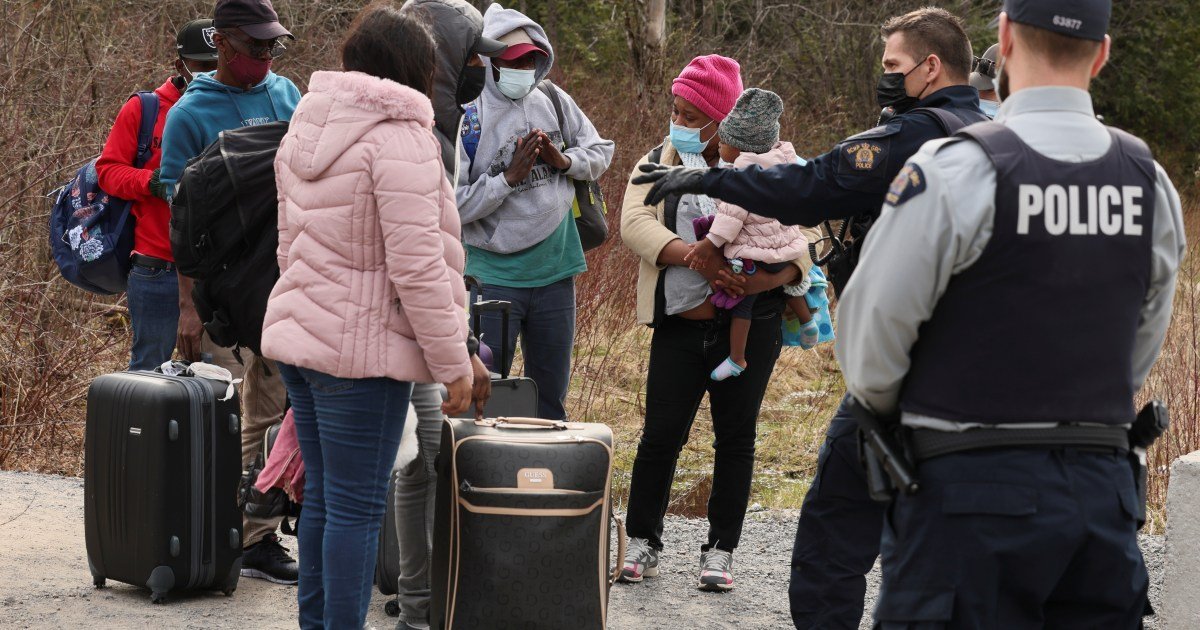
The number of refugee and asylum claims filed by Bangladeshi nationals in Canada has reached a significant level in recent years, making Bangladesh one of the notable source countries for refugee claims, according to figures from Canada’s Immigration and Refugee Board.
More than 18,000 refugee claims from Bangladeshi nationals were referred to Canada’s Refugee Protection Division (RPD) in 2024. The number remained in the 20,000 range in 2025. Taken together, the figures indicate that close to 40,000 claims involving Bangladeshi nationals entered Canada’s refugee determination system over the two-year period.
A refugee claim, however, does not automatically result in protected status. Under Canadian law, claimants must establish that they face persecution or a serious risk of harm if returned to their country of origin. Each case is assessed individually on the basis of the claimant’s testimony, documentation and other available evidence.
Some Bangladesh-related claims have been accepted, while others have been rejected, withdrawn or otherwise concluded. A significant number of cases have also remained pending, adding to the workload facing Canada’s refugee determination system.
Claims Following World Cup Travel
Questions have also emerged over reports that some Bangladeshi nationals who traveled to Canada to attend the 2026 FIFA World Cup subsequently sought refugee protection.
Information provided to this publication indicates that 10 of 45 Bangladeshi visitors in one group reportedly filed asylum claims—roughly 22 percent. However, this specific figure should be treated cautiously unless it is confirmed through official Canadian government records. A single reported incident cannot, by itself, establish a broader trend among Bangladeshi World Cup visitors.
Visitor Visas Do Not Guarantee Refugee Status
A person who enters Canada on a visitor, student or other temporary visa may be legally entitled to make a refugee claim in circumstances permitted by Canadian law. However, filing a claim does not mean that the claim will automatically be accepted.
Applicants must provide credible information and evidence supporting their allegations. Canadian authorities assess the circumstances of each individual case before determining whether the person meets the legal requirements for refugee protection.
Similarly, when processing temporary visa applications, Canadian immigration authorities consider factors such as the applicant’s stated purpose of travel, financial circumstances, ties to their home country and whether they are likely to comply with the conditions of their temporary stay.
False Information Can Have Serious Consequences
Immigration professionals and authorities consistently warn that providing false information, submitting fraudulent documents or making a claim based on fabricated circumstances can have serious consequences for an applicant’s immigration status and future applications.
At the same time, making a refugee claim should not automatically be equated with being an “illegal immigrant.” Canada has a legal refugee protection system, and individuals who genuinely meet the requirements have the right to seek protection through that system.
A Matter of Concern—and Responsible Reporting
The rising number of refugee claims involving Bangladeshi nationals is an important development that deserves public attention and careful examination. At the same time, the actions of individual applicants should not be used to characterize the entire Bangladeshi community in Canada.
For prospective travelers and immigrants, the most important message is straightforward: provide accurate information, state the genuine purpose of travel and comply with Canadian immigration laws.
The growing number of claims highlights the importance of maintaining the integrity of Canada’s immigration and refugee system while ensuring that legitimate claims for protection continue to receive a fair and independent assessment.