Loss of congressional control triggers internal party revolt; questions mount over Trump’s leadership, policies and election strategy
Fauzia J. Choudhury :
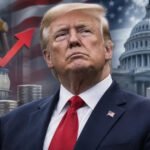
Following the Republican Party’s losses in the 2026 midterm elections, divisions within the party are becoming increasingly visible, with some prominent Republicans questioning President Donald Trump’s leadership and political strategy.
Several Republican donors, strategists and party figures are placing much of the blame for the election results on Trump. Some argue that the president’s influence over the party and his prominent role in the campaign made the outcome a direct reflection of his leadership.
The election results have handed Democrats control of both chambers of Congress, dealing a significant political setback to the Republican Party. However, some Senate races remained unresolved at the time of the initial reports, leaving the final balance of power subject to further updates.
Among the issues fueling Republican criticism are the war involving Iran, rising energy prices, the cost of living, trade tariffs and the administration’s broader policy direction. Some party figures believe Republicans failed to address voters’ economic concerns effectively and that the administration’s political priorities weakened the party’s appeal among key voter groups.
Trump’s supporters, however, have offered a different explanation. They argue that individual Republican candidates failed to connect with voters and did not communicate their campaign messages effectively. Trump himself has rejected the suggestion that he was responsible for the party’s losses, arguing that the results could have been different had he been on the ballot.
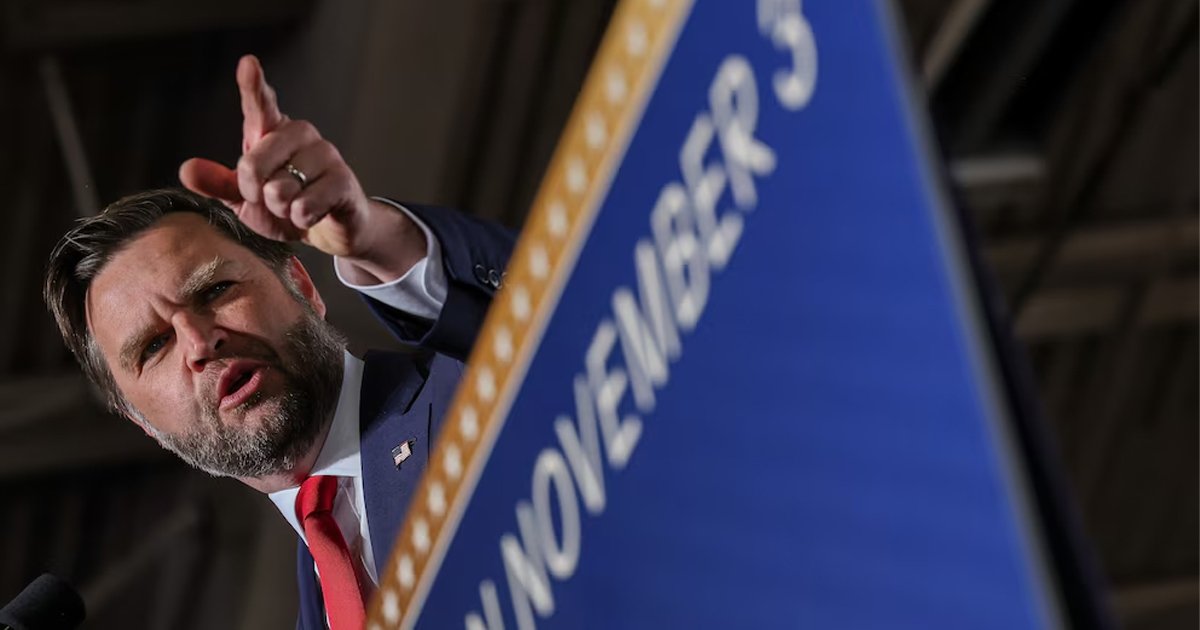
Vice President JD Vance has also pointed to the Iran conflict as one of the factors behind the Republican setback. Meanwhile, Republican strategists and political figures are reportedly calling for changes in the administration’s approach, including a reassessment of policy priorities and the party’s political messaging.
The Democrats’ control of Congress could significantly complicate Trump’s legislative agenda during the remaining two years of his presidency. With Democrats controlling both the House of Representatives and the Senate, the administration is likely to face greater congressional scrutiny, tougher negotiations over legislation and increased oversight of federal policies.
The election outcome has also raised broader questions about the future direction of the Republican Party. While Trump remains a central figure in the party, the growing criticism suggests that disagreements over leadership, policy and campaign strategy could shape the party’s internal politics in the months ahead.
The central question facing Republicans now is whether the party’s electoral losses were primarily the result of individual campaign failures—or whether they signal deeper concerns among voters about Trump’s leadership and governing priorities.