


Rising climate risks could put growing financial pressure on governments, homeowners and communities across the state
Husneara Choudhury
NEW YORK: New York could face more than $500 billion in infrastructure costs by 2050 as the state prepares for the growing impacts of climate change, including increasingly severe storms, flooding and other extreme weather events, according to a recent analysis highlighted by NY1.
The projected costs underscore the enormous financial challenge facing New York as climate-related risks continue to increase. Experts say significant long-term investments will be needed to strengthen infrastructure and protect communities, homes and critical public facilities from the effects of a changing climate.
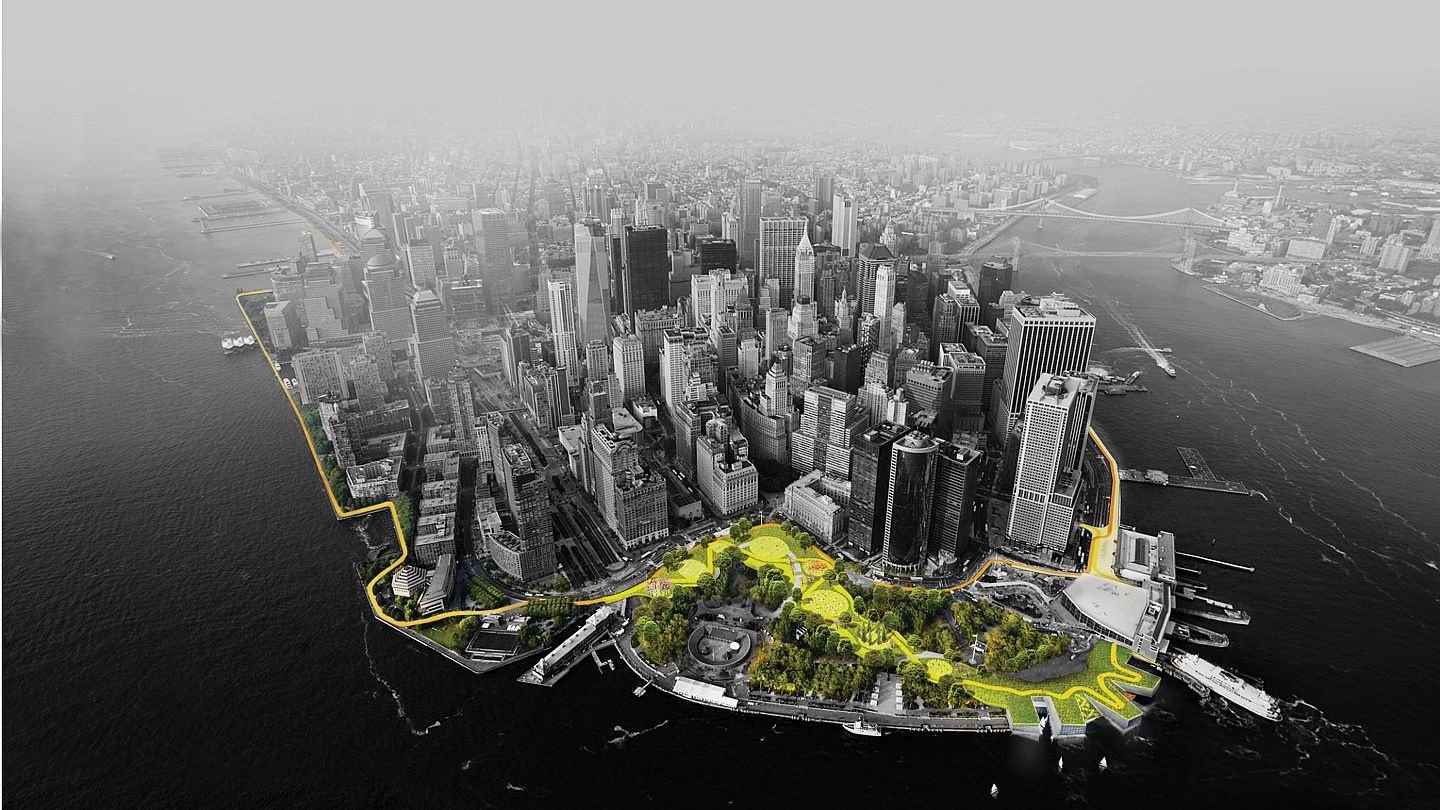
The potential costs could include investments in climate-resilient infrastructure, flood protection, coastal defenses and improvements to critical systems that are vulnerable to extreme weather. New York’s densely populated coastal areas are considered particularly vulnerable to flooding and storm-related damage.
According to climate resilience experts, failing to make adequate investments now could result in significantly higher costs in the future. Severe storms and flooding can damage homes, roads, transportation networks, utilities and other essential infrastructure, creating substantial expenses for emergency response, repairs and rebuilding.
The financial impact could also extend to individual residents. Experts warn that without effective climate adaptation measures, New Yorkers could face higher taxes, rising insurance premiums and increased costs to repair or rebuild homes damaged by storms and flooding.
The nonprofit organization Rebuild by Design, which focuses on climate resilience and infrastructure, has emphasized the need for long-term planning and investment to prepare communities for future climate-related threats. The organization’s executive director, Amy Chester, discussed the growing challenges facing New York and the need to prepare the state’s infrastructure for a changing climate during NY1’s The Rush Hour program.
Climate experts say early investment in resilience measures could ultimately help reduce the financial and human costs of future disasters. By strengthening infrastructure before major disasters occur, governments may be able to reduce damage, protect communities and limit the cost of emergency recovery and reconstruction.
However, the scale of the projected spending highlights the difficult decisions ahead for state and local governments. Determining how to finance such large-scale infrastructure projects while balancing the needs of taxpayers and communities will be a major challenge in the coming decades.
For New York, the issue is no longer simply about responding to storms after they occur. It is increasingly about preparing for climate risks before they become even more costly and disruptive.
Experts say the state must take a long-term approach to climate resilience, combining strategic investment, infrastructure upgrades and effective planning. With climate change expected to continue affecting weather patterns and increasing the risk of extreme events, the decisions made today could have a major impact on New York’s economy, infrastructure and communities for generations to come.