

Salman J. Choudhury | New York
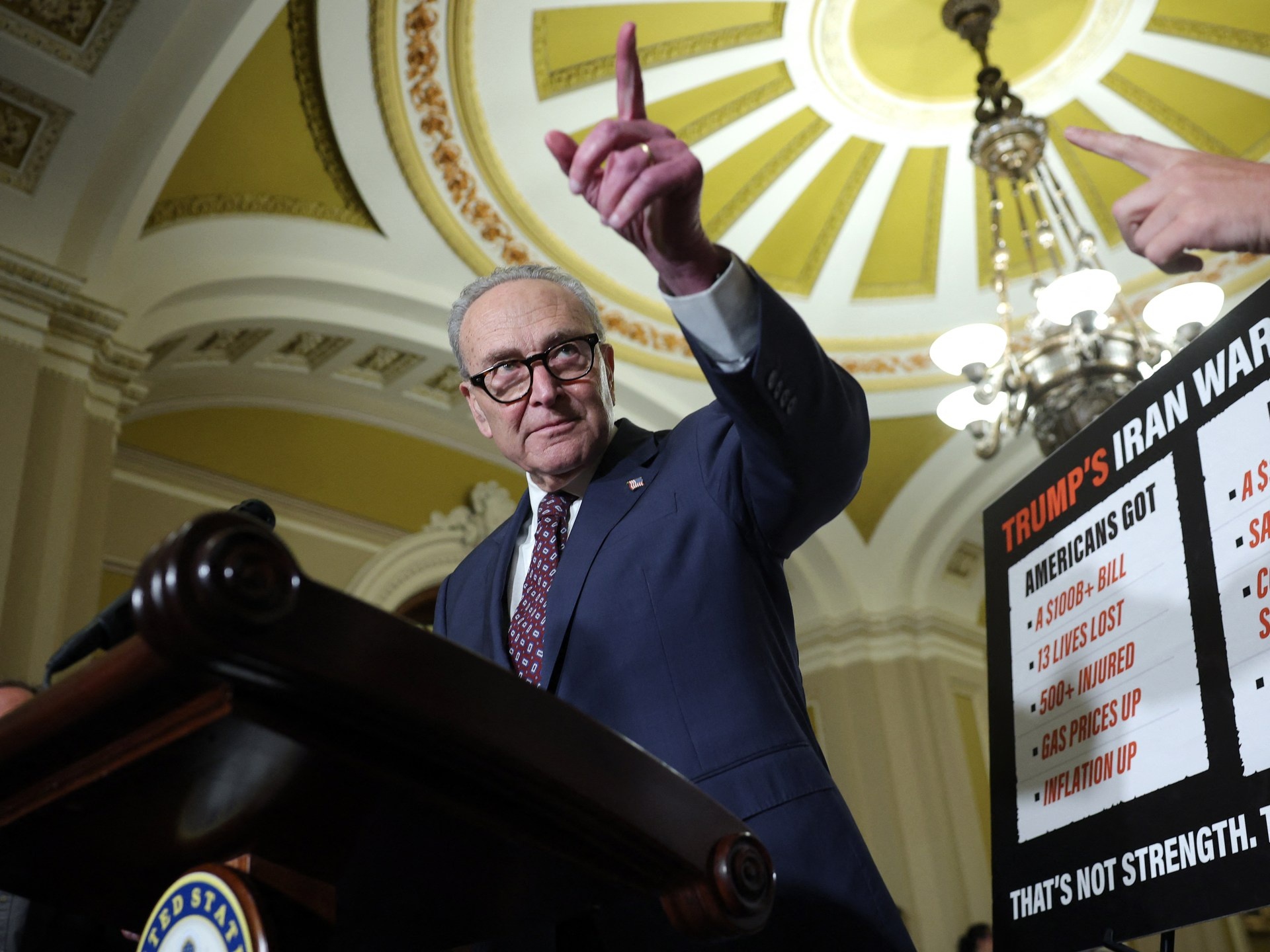
The U.S. Senate has passed a significant War Powers resolution aimed at limiting President Donald Trump’s authority over potential military actions related to Iran. The vote is widely seen as a strong political message from Congress to the White House.
The resolution passed by a narrow 50–48 margin, with four Republican senators joining Democrats in support. It would require congressional approval before any continued or expanded military operations against Iran can proceed.
What the Resolution Says
The measure seeks to reaffirm Congress’s constitutional authority over declarations of war. It states that the President cannot sustain long-term military engagement without explicit authorization from Congress.
Although not yet final law, its passage in the Senate marks a significant political development and increases pressure on the administration as it moves through the legislative process.
Deepening Political Divide
The vote exposed divisions within the Republican Party, as a small group of GOP senators broke ranks to support the measure alongside Democrats—an outcome that has created political discomfort for the Trump administration.
The White House, however, has dismissed the resolution as largely symbolic, arguing that it undermines the President’s constitutional authority as Commander-in-Chief.
Congress vs. the White House
Political analysts say the vote reflects a long-standing struggle between Congress and the presidency over war-making powers. The debate has intensified amid growing concerns about potential military escalation involving Iran.
Democrats argue that any prolonged military engagement must require congressional approval. Some Republicans, meanwhile, maintain that the President must retain flexibility to respond quickly to national security threats.
What Happens Next
The resolution still faces additional legislative steps before it could become binding law, including further approval and potential presidential action—outcomes that remain uncertain given the current political climate.
Overall, the Senate vote has reignited debate over U.S. war powers and is expected to further heighten political tensions in Washington in the coming weeks.