

Shah J. Choudhury | June 16, 2026
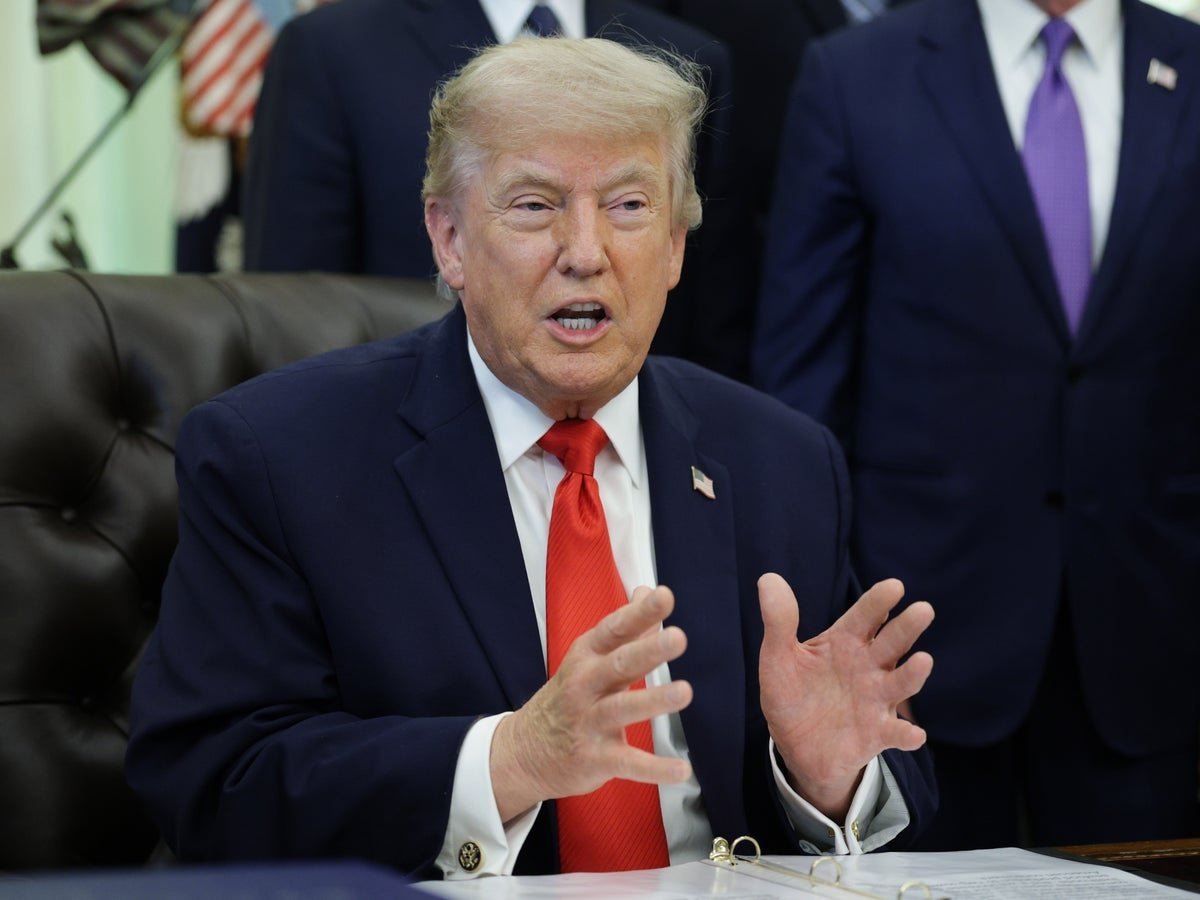
A newly proposed diplomatic framework between the United States and Iran—associated with former U.S. President Donald Trump—has triggered global debate and uncertainty, as critical details of the agreement remain unresolved.
While the agreement is being described as a potential breakthrough in U.S.–Iran relations, key issues surrounding frozen Iranian funds, sanctions relief, maritime security, and nuclear negotiations continue to generate serious questions in Washington, Tehran, and international capitals.
A HIGH-STAKES DIPLOMATIC FRAMEWORK
At the center of the proposal is a tentative understanding that reportedly includes a 60-day extension of ceasefire-related arrangements and discussions over reopening the Strait of Hormuz, one of the world’s most strategically important oil transit routes.
However, officials and analysts note that the agreement remains highly fluid, with both sides offering different interpretations of timing, enforcement, and obligations.
FROZEN FUNDS AND SANCTIONS RELIEF UNDER SCRUTINY
One of the most controversial elements of the talks involves Iran’s access to billions of dollars in frozen assets held abroad.
U.S. officials have emphasized that no immediate financial release has been finalized, and that any economic relief would be strictly tied to Iran’s compliance with future nuclear and security commitments.
Policy experts warn that premature financial concessions could shift negotiating leverage and complicate long-term enforcement of any final agreement.
STRAIT OF HORMUZ: GLOBAL ENERGY AT THE CENTER
The proposed reopening of the Strait of Hormuz remains one of the most closely watched elements of the deal.
This critical waterway handles nearly one-fifth of global oil shipments, making it essential for international energy stability. Despite diplomatic signals of progress, shipping activity has yet to fully normalize, with lingering concerns over security guarantees, operational control, and regional tensions.
Energy markets remain highly sensitive to developments in the region, as uncertainty continues to affect global pricing and supply expectations.
NUCLEAR TALKS FACE UNCERTAIN PATH
The agreement also lays the groundwork for renewed nuclear negotiations expected within the proposed 60-day framework.
However, internal divisions within the U.S. policy establishment and skepticism from intelligence assessments have raised doubts about the durability of any potential Iranian commitments.
Observers caution that without clear verification mechanisms, the path toward a sustainable nuclear agreement remains fragile.
MIXED INTERNATIONAL RESPONSE
Global reaction has been divided. While some governments have cautiously welcomed the reduction in immediate tensions, others have expressed concern over the lack of clarity in enforcement mechanisms and long-term guarantees.
Key allies are reportedly seeking further clarification before offering full diplomatic support, reflecting broader uncertainty about the agreement’s structure and intent.
A FRAGILE MOMENT FOR GLOBAL DIPLOMACY
Financial markets initially reacted with cautious optimism, including signs of easing oil prices and improved investor sentiment. However, analysts stress that these early signals may not reflect long-term stability.
The coming weeks are expected to be decisive in determining whether the framework evolves into a binding international agreement or remains a tentative and contested political understanding.
For now, the Trump-linked initiative stands as one of the most closely watched and controversial diplomatic developments of the year, carrying significant implications for global energy security, Middle East stability, and U.S. foreign policy direction.