

In the thick of his competitive reelection race in Michigan, Republican Rep. Tom Barrett joined Health and Human Services Secretary Robert F. Kennedy Jr. at a sprawling 400-acre apple orchard, farm, and winery. They touted Trump administration efforts to improve the American diet, including the removal of some artificial dyes from processed foods.
“We had a great discussion about healthy options for all Americans and taking back control of our healthcare,” Barrett said in a mid-June Instagram post, after sampling the farm’s apple cider.
Like the focus on artificial dyes, however, many of the administration’s highest-profile health initiatives rely on voluntary agreements. The goals, such as lower drug prices and nutrition classes for doctors, have widespread appeal, cutting across party lines and economic divisions.
But the administration-industry deals lack the enforcement teeth of more traditional federal regulation. Their details are vague, and minimal oversight makes it hard to monitor progress. In some cases, the administration has claimed victories that have yet to materialize.
Republicans consider the deal-making a winning strategy. It fits with the party’s anti-regulatory stance, they say, and enables the administration to quickly forge agreements President Trump and his allies can tout as accomplishments. In the run-up to the midterm elections, some, like Barrett, hope to woo voters by trumpeting the Trump administration’s efforts to shape health policy.
The practice also raises questions. Though the deals are announced with great fanfare — often during televised events on stages, with live audiences — there’s little documentation or follow-through, creating doubts about whether the administration’s health agenda will lead to lasting change or unravel once the political attention fades.
The distinction could prove important to voters as Republicans defend their health records in November’s midterm elections.
“These deals are often not transparent, so there’s no way for the public to judge how meaningful they are,” said Larry Levitt, executive vice president for health policy at KFF, a health information nonprofit that includes KFF Health News.
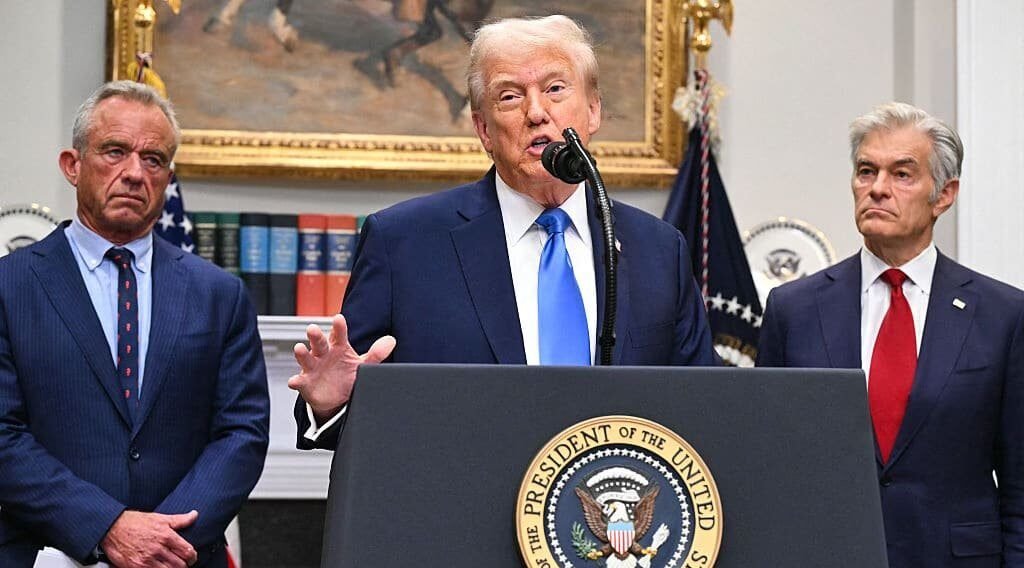
Trump And Kennedy’s Health Industry Deals Haven’t Been Enforced and are at Risk of Vanishing