


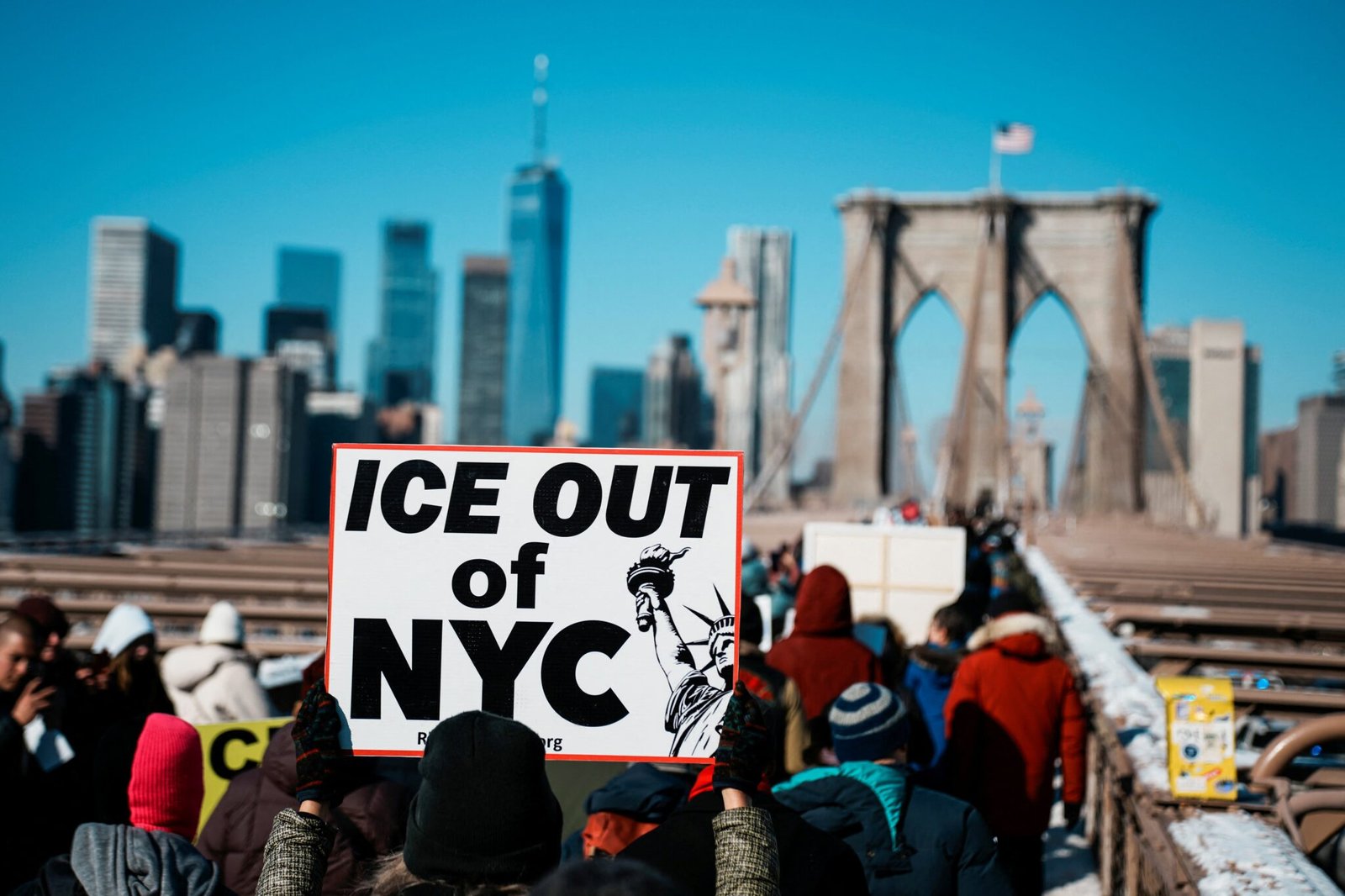
New Law Takes Effect, Reshaping the Role of Local Law Enforcement in Immigration Enforcement
By Sadia J. Choudhury
A major change has taken effect in New York State regarding cooperation between local law enforcement agencies and the federal Immigration and Customs Enforcement (ICE). The “Local Cops, Local Crimes Act” officially took effect Tuesday, August 25, 2026, placing new restrictions on certain forms of cooperation between local law enforcement agencies and ICE.
One of the most significant provisions concerns agreements under Section 287(g) of the federal Immigration and Nationality Act. Under the 287(g) program, participating local law enforcement agencies can enter into formal agreements with ICE that allow specially trained local officers to perform certain federal immigration enforcement functions under ICE supervision.
Under New York’s new law, local governments and law enforcement agencies are prohibited from maintaining or entering into these types of formal immigration-enforcement agreements. Existing agreements are also required to be terminated.
12 Agencies Ordered to End Agreements
Before the law took effect, the state directed 12 local law enforcement agencies to terminate their existing 287(g) agreements by August 25.
State officials argue that local police departments and sheriff’s offices should primarily focus on fighting local crime, investigating offenses and protecting residents rather than enforcing federal civil immigration laws.
Supporters of the law say separating local policing from federal immigration enforcement could strengthen trust between law enforcement and immigrant communities. They argue that people who are victims or witnesses of crimes may be less likely to contact police if they fear that doing so could expose themselves or family members to immigration-related consequences.
State officials maintain that cooperation and trust between local police and residents are essential components of public safety.
Nassau County at the Center of Dispute
The implementation of the new law has also created tensions between state officials and several local governments.
Nassau County has emerged as one of the most closely watched jurisdictions. County officials have expressed support for continued cooperation with ICE, arguing that such cooperation can play an important role in public safety.
State officials, however, maintain that the new law requires local agencies to end these formal immigration-enforcement arrangements.
The disagreement could lead to further political and legal challenges between the state and local governments.
Restrictions on Use of Local Facilities
The new law also places restrictions on the use of local government resources and correctional facilities for federal civil immigration enforcement.
State officials argue that facilities and resources funded by local taxpayers should primarily serve local public-safety needs rather than federal immigration operations.
Supporters believe the change will allow local law enforcement agencies to concentrate their personnel and resources on community policing and crime prevention.
Critics Raise Public-Safety Concerns
Opponents of the law have raised concerns that limiting cooperation between local law enforcement and ICE could make it more difficult to transfer certain individuals to federal authorities or share information involving immigration matters.
Critics argue that cooperation between local agencies and federal immigration authorities can be particularly important in cases involving individuals accused or convicted of serious crimes.
They contend that restricting such cooperation could create additional challenges for law enforcement agencies attempting to coordinate with federal authorities.
ICE’s Federal Authority Remains
The new law does not eliminate ICE’s federal authority to enforce federal immigration laws in New York.
ICE remains a federal agency and can continue carrying out immigration enforcement activities under federal law. The major change is that New York’s state and local government agencies face new restrictions on entering into or maintaining certain formal immigration-enforcement partnerships with ICE.
A New Chapter in New York’s Immigration Policy
With the law now in effect, attention will turn to how quickly local agencies comply with the new requirements and whether jurisdictions that oppose the restrictions challenge them in court.
The issue is likely to remain a major source of political and legal debate in New York, particularly over the balance between state authority, local policing, federal immigration enforcement and public safety.
The implementation of the Local Cops, Local Crimes Act marks a significant shift in New York’s approach to the relationship between local law enforcement and federal immigration authorities—and could have lasting implications for policing and immigration policy across the state.