

New Legislation to Block Arrests at Courts and Offices — Can Immigrant-Friendly NYC Be Preserved?
Shah J. Choudhury
New York | December 9, 2025: Long celebrated as one of the world’s most immigrant-friendly cities—is facing an unprecedented challenge. Sudden ICE (U.S. Immigration and Customs Enforcement) arrests at courts, routine check-ins, and offices have created a climate of fear for immigrant communities. Families worry about separation, children face anxiety, and everyday life is overshadowed by uncertainty.
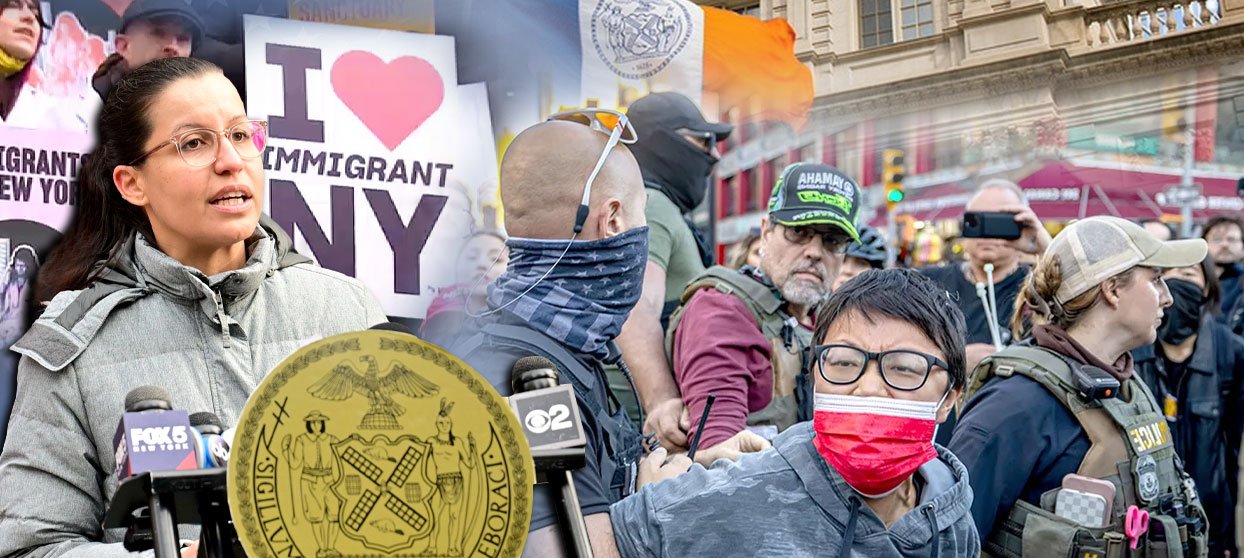
In response, City Council members, congressional representatives, and immigrant-rights groups gathered at City Hall this week to announce new legislation aimed at stopping ICE from detaining immigrants during court appearances or routine check-ins.
At a rally in front of City Hall, hundreds of supporters heard lawmakers declare that the proposed law would ensure no immigrant in New York fears arrest while fulfilling legal obligations.
New York: Immigrant City Under Threat
New York is home to roughly 6.8 million immigrants—around 40% of the city’s total population. Immigrants form the backbone of:
• Restaurants and hospitality
• Construction and labor industries
• Health and caregiving services
• Small businesses
• Transportation and ride-share sectors
Despite this, recent ICE activity has created a pervasive sense of fear and insecurity.
Multiple reports show:
• Individuals arrested during court appearances
• Detention during routine check-ins
• ICE agents waiting outside schools or transportation hubs
• Families in fear of sudden intervention
Legal experts warn that these actions constitute “intimidation under the guise of law enforcement”, eroding trust in the judicial process.
The New Legislation: Key Provisions
1. Court Appearances Protected
No immigrant may be arrested while attending any judicial or administrative court appearance. Arrests under these circumstances will be considered illegal.
2. Routine Check-ins Secured
ICE agents cannot detain individuals during routine check-ins without prior notice or legal cause.
3. Legal Recourse for Rights Violations
Individuals whose rights are violated may file lawsuits directly against the agency or responsible officers.
4. Advance Notice of Rights
Immigrants will receive clear information about their legal rights before entering courts or offices.
5. Safe Zones in City Spaces
Certain government locations will be declared off-limits for ICE enforcement actions.
Lawmakers’ Statements: “We Will Stop the Injustice”
Congressman Dan Goldman stated:
“Those complying with the law should never be ambushed. Many have no criminal history, yet face the threat of detention.”
City Council members emphasized:
“Fear cannot dictate our community’s actions. New York will stand with its immigrant population.”
Advocates argue that the legislation will not only block unlawful arrests but also restore confidence in public institutions and reinforce New York’s identity as a sanctuary city.
Legal and Practical Challenges
• Passage depends on both city-level support and federal cooperation.
• Enforcement of protections is uncertain—ICE policies may not align with city legislation.
• Deep-seated fear within immigrant communities will take time to overcome.
Legal analysts caution:
“Passing the law is the first step; effective enforcement is the real test.”
Human Impact
• Families gain security and peace of mind.
• Individuals can attend court and government offices without fear.
• Children and students may experience less disruption to education.
• Communities can rebuild trust in legal and civic institutions.
Conclusion: A Test for NYC’s Identity
The proposed legislation is more than a legal shield—it is a reaffirmation of New York City’s commitment to immigrant communities, human dignity, and safe civic participation.
If implemented successfully, the bills could:
• Protect immigrants from arbitrary arrest
• Strengthen legal rights awareness
• Provide a model for other cities facing similar challenges
• Send a clear message: “Fear will not define our city—humanity will.”
Sidebar / Quick Facts
What the Bills Would Change:
• Arrests at court or routine check-ins prohibited
• ICE cannot act without prior legal cause
• Individuals may seek legal remedy for rights violations
• Immigrant communities regain confidence and security