

Salman J. Choudhury | New York
A recent controversial incident in Brooklyn has once again placed immigration enforcement, policing practices, and political accountability at the center of public debate in New York City. What began as a hospital-related operation involving U.S. Immigration and Customs Enforcement (ICE) and the New York Police Department (NYPD) has now escalated into a heated issue shaping the ongoing congressional race to succeed Representative Nydia Velázquez.
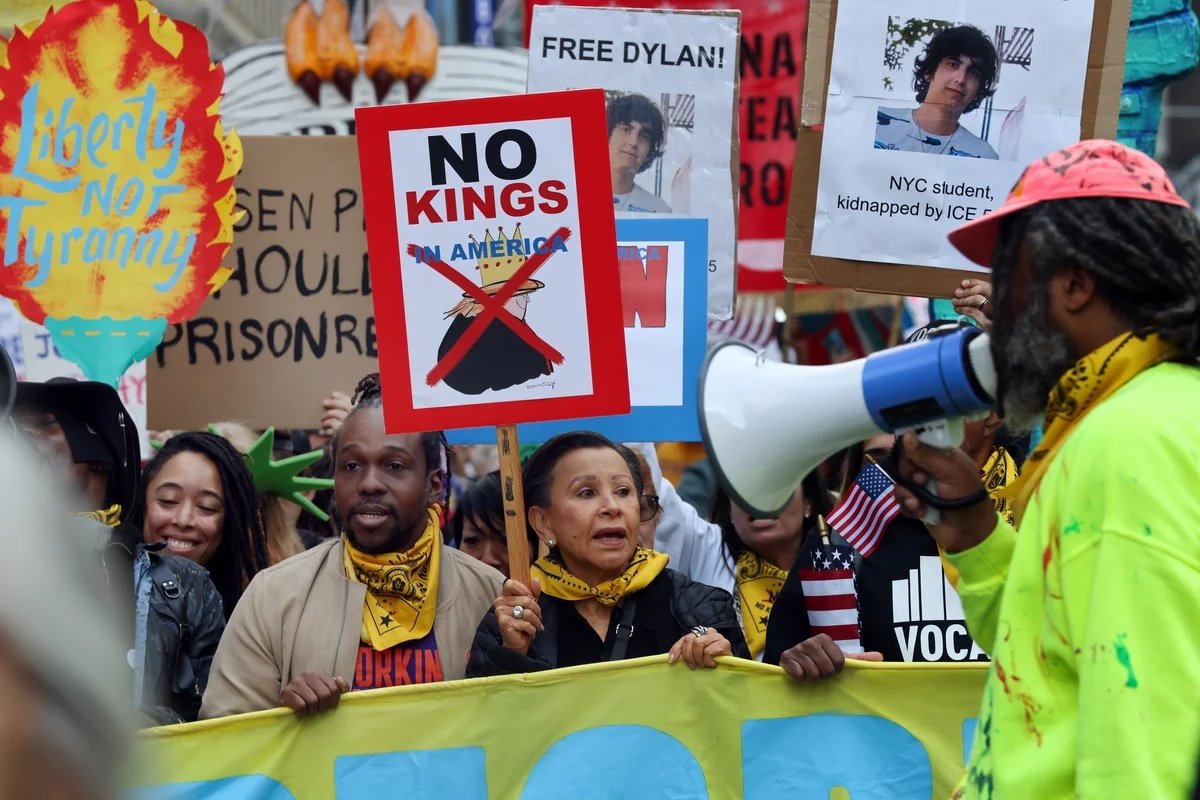
The incident unfolded when ICE agents brought an immigrant individual to a Brooklyn hospital for medical attention. According to eyewitness accounts, news of ICE’s presence quickly spread, prompting a large crowd of protesters to gather outside the facility. Within a short period, the situation intensified, with demonstrators blocking hospital access points and demanding answers regarding the operation.
NYPD officers arrived at the scene to restore order and manage the growing crowd. However, their involvement quickly became a point of political controversy. Critics argued that the police response appeared to align with federal immigration enforcement efforts, raising concerns about New York City’s “sanctuary city” policies. NYPD officials, however, firmly rejected these allegations, stating that their sole responsibility was to ensure public safety and prevent further escalation.
Tensions further escalated as ICE agents attempted to transfer the individual out of the hospital. The process reportedly led to confrontations between protesters and law enforcement personnel. Some witnesses alleged the use of pepper spray during the chaotic moments, though authorities have not released detailed confirmation regarding those claims.
The incident has rapidly spilled over into the political arena, becoming a flashpoint in the competitive race for the congressional seat currently held by Nydia Velázquez. Several candidates have condemned the episode as “deeply troubling” and “unacceptable,” arguing that it reflects broader concerns about immigration enforcement practices and civil rights protections. Others have defended the law enforcement response, emphasizing the importance of maintaining order in a rapidly escalating situation.
As a result, immigration policy, policing authority, and federal-local cooperation have emerged as defining issues in the campaign. Political observers note that such incidents tend to resonate strongly in New York’s diverse communities, where immigration remains both a lived reality and a deeply sensitive political subject.
Analysts suggest that this episode is unlikely to fade quickly from public attention. Instead, it is expected to continue influencing campaign narratives, voter sentiment, and policy debates leading up to the election. What began as a localized enforcement action has now evolved into a broader reflection of the ongoing tension between immigration policy and urban governance in the United States.