


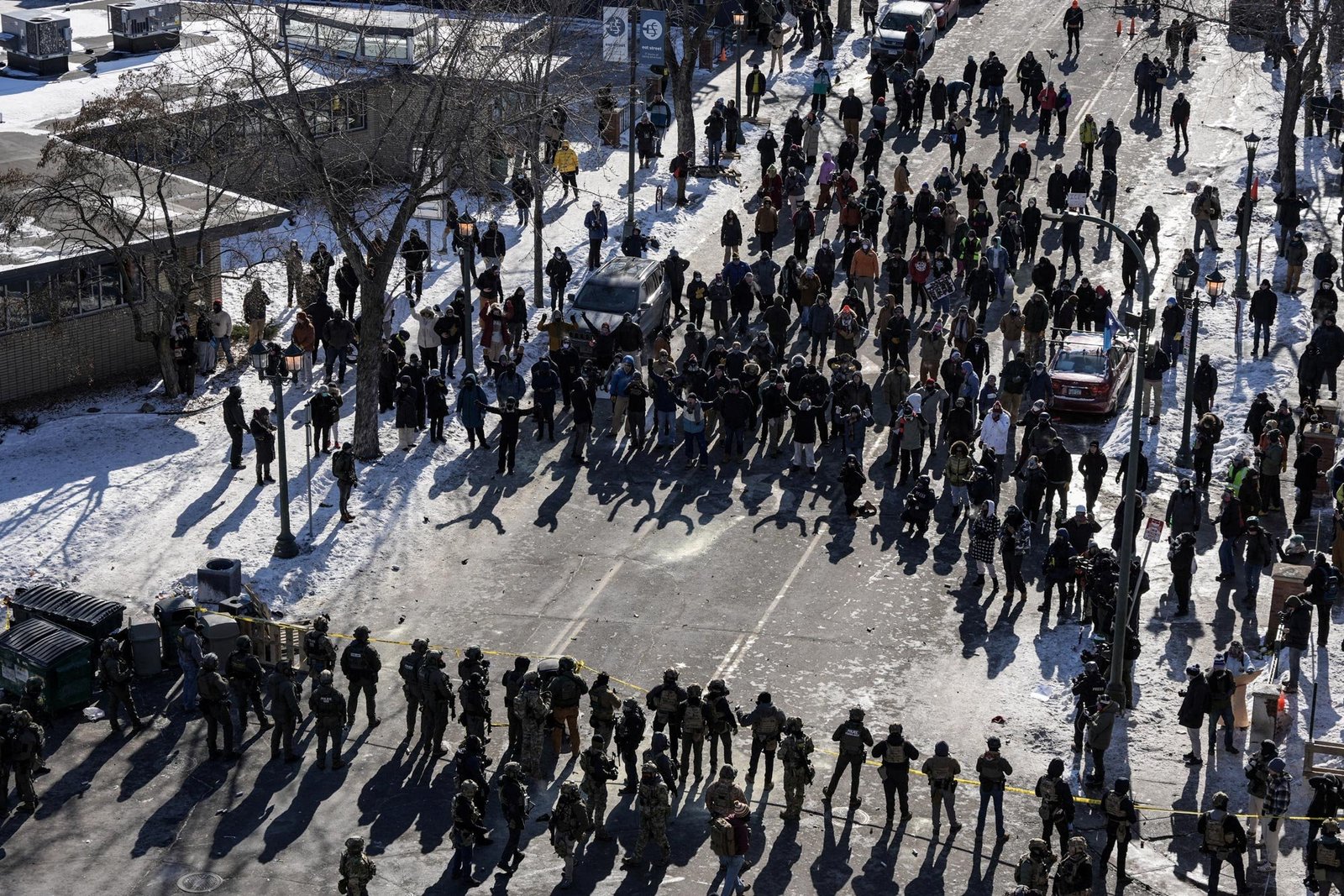
Highly visible operations give way to rapid enforcement actions as immigration arrests reach record levels
Fauzia J. Choudhury:
— U.S. Immigration and Customs Enforcement has increasingly shifted toward quieter and faster enforcement tactics, with officers carrying out arrests in locations ranging from workplaces and roads to airports and other everyday public settings.
In some cases, immigration attorneys and people familiar with recent operations say arrests can be completed within minutes after officers arrive, with some encounters lasting as little as 90 seconds.
The change comes as the scale of immigration enforcement has expanded nationwide. ICE activity is no longer limited to highly visible operations in major cities. Agents have increasingly conducted enforcement actions in suburban and rural communities, at workplaces, businesses, transportation hubs and along public roads.
Local law enforcement agencies have also become more involved in federal immigration enforcement. Through agreements known as 287(g), state and local officers can receive authority to perform certain immigration-enforcement functions under federal supervision.
The number of such agreements has expanded significantly, increasing the reach of federal immigration enforcement into communities across the country.
Data cited in recent reporting indicate that ICE made roughly 50,000 arrests in July, a record-level figure. The figures reflect the growing scale of enforcement under the Trump administration.
The makeup of those detained has also drawn attention. Recent data indicate that a substantial share of people taken into immigration custody had no prior criminal conviction. According to figures cited in the report, approximately 46% of those detained since President Donald Trump returned to office had no previous criminal conviction.
Immigration attorneys and advocacy groups have raised concerns that rapid, less visible enforcement actions can leave families with little time to seek legal assistance or prepare for the detention of a family member.
Government officials, however, have defended the enforcement campaign as part of efforts to enforce federal immigration law and remove individuals who are not legally authorized to remain in the United States.
The evolving tactics have created new challenges for immigrant communities, employers and local law enforcement agencies. As enforcement expands beyond traditional high-profile operations, questions surrounding due process, access to legal representation and the role of local authorities in immigration enforcement are receiving increased attention nationwide.