
By Shah J. Choudhury
Setara Soheli Ahmed’s Artistic Journey of Resilience, Healing and Identity at Pennsylvania Book Fair 2026
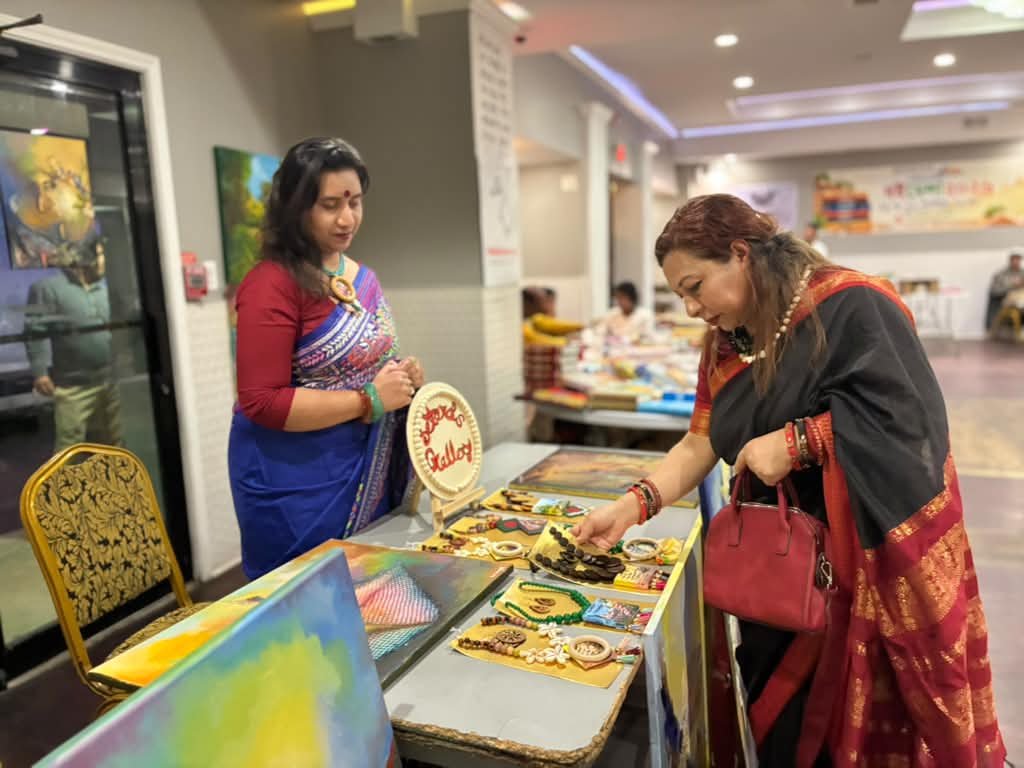
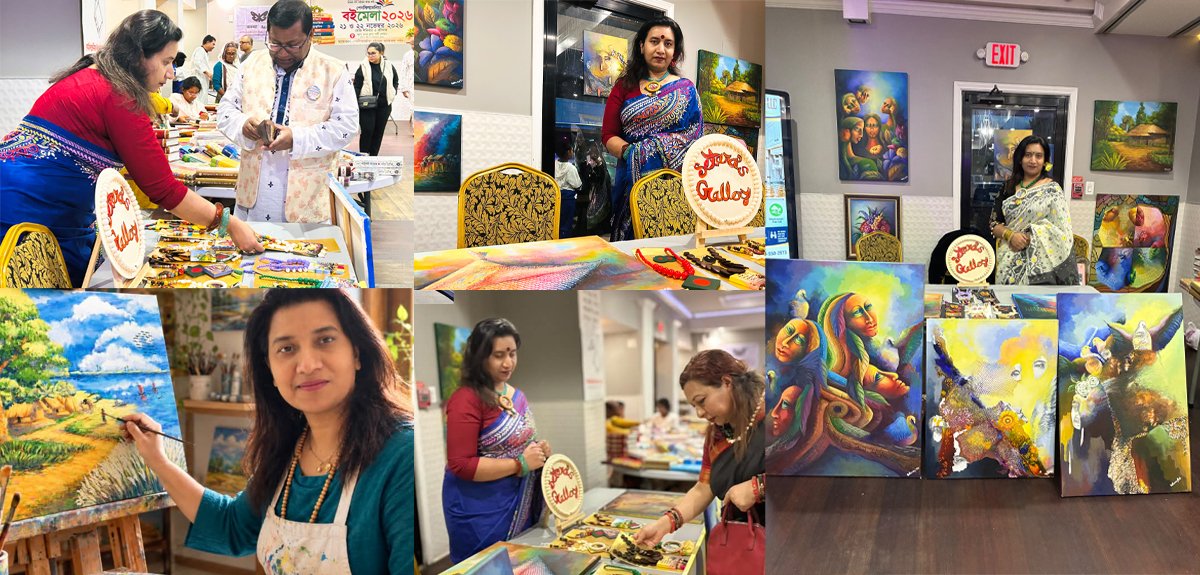
The two-day Pennsylvania Book Fair 2026, held on November 21 and 22 at the Dhaka Club Party Center in Upper Darby, Pennsylvania, brought together writers, readers, publishers, artists, and cultural enthusiasts from Pennsylvania, New York, New Jersey, Maryland, and Virginia.
Organized under the theme, “Read Books, Spread Knowledge, Build an Enriched Society,” the event became a vibrant gathering celebrating Bengali language, literature, and cultural heritage in the diaspora.
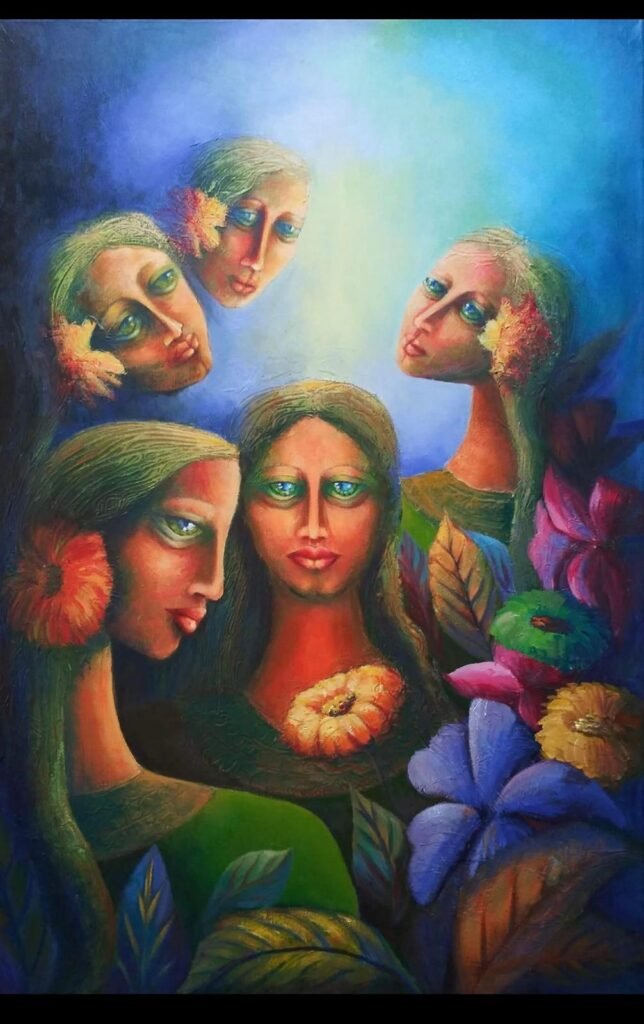
Amid the lively atmosphere of books, conversations, and literary exchanges, a small art exhibition in one corner of the venue caught my attention. The paintings seemed to speak without words, transforming emotions, memories, and reflections on life into colors and visual expressions.
The artist behind these remarkable works was Setara Soheli Ahmed, a dedicated contemporary painter and educator whose artistic journey is deeply intertwined with personal struggles, resilience, and the healing power of creativity.
From Childhood Passion to Academic Excellence
Setara Soheli Ahmed’s relationship with art began in childhood. She received her early training at a private art school and demonstrated exceptional talent as a young artist, winning more than 40 awards in various competitions.
She later earned both her bachelor’s and master’s degrees in Fine Arts from the University of Rajshahi, with painting as her major.
After completing her postgraduate studies in 2010, she moved to the United States. Adjusting to a new country, family responsibilities, and the demands of everyday life temporarily interrupted her artistic pursuits.
However, an unexpected and life-changing experience eventually brought her back to painting.
When Art Became a Path to Healing
Following the birth of her second child, Setara faced a serious health crisis. She suffered two heart attacks and underwent open-heart surgery, along with several additional medical procedures.
Her recovery was far from easy. For nearly five years, she endured significant physical and emotional challenges. There were periods when even sitting for an extended time or engaging in conversation became difficult.
During this uncertain chapter of her life, she began reflecting on the meaning of existence, the uncertainty of time, and the legacy she wished to leave behind.
That reflection inspired her to pick up her brushes again.
According to Setara, almost every painting reflects a part of her personal journey—her experiences, values, perspectives, philosophy, dreams, and understanding of life.
During her illness, she could paint for only five to ten minutes at a time before resting. After an hour or two, she would return to her canvas and continue.
Gradually, these brief moments of creativity became a source of emotional comfort and personal strength. Painting offered her a way to express feelings that words could not always convey.
For Setara, the canvas became more than a surface for colors. It became a place of reflection, emotional release, and renewed hope.
Where Human Emotions Meet Nature
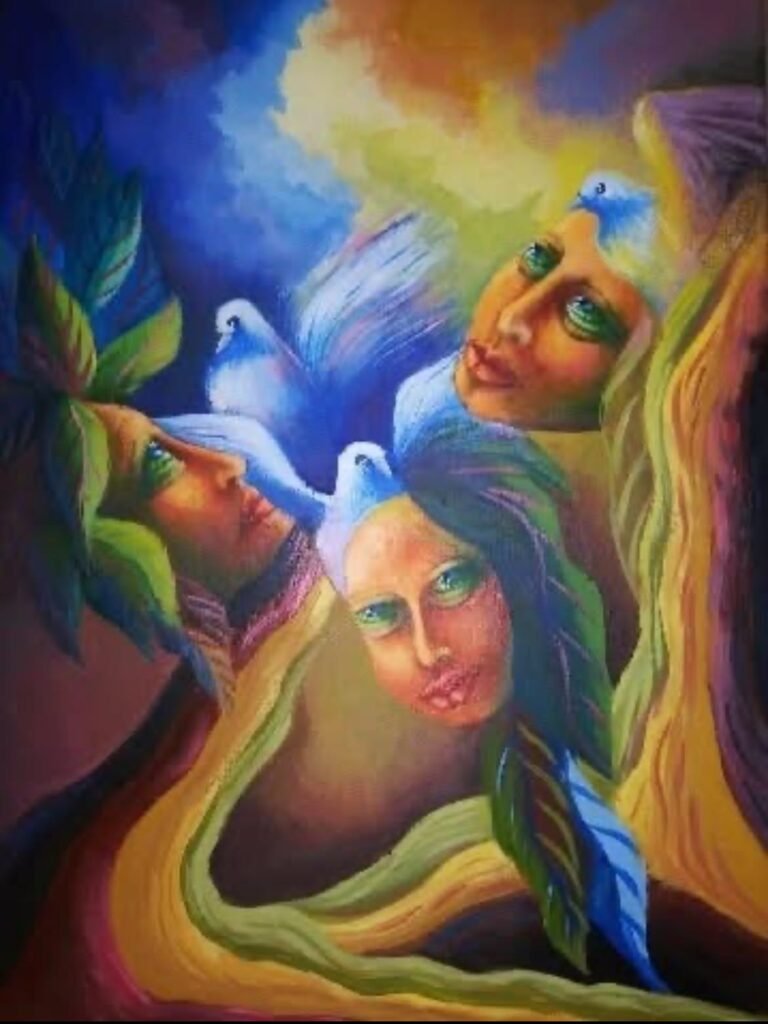
One of the paintings displayed at the book fair particularly captured my attention.
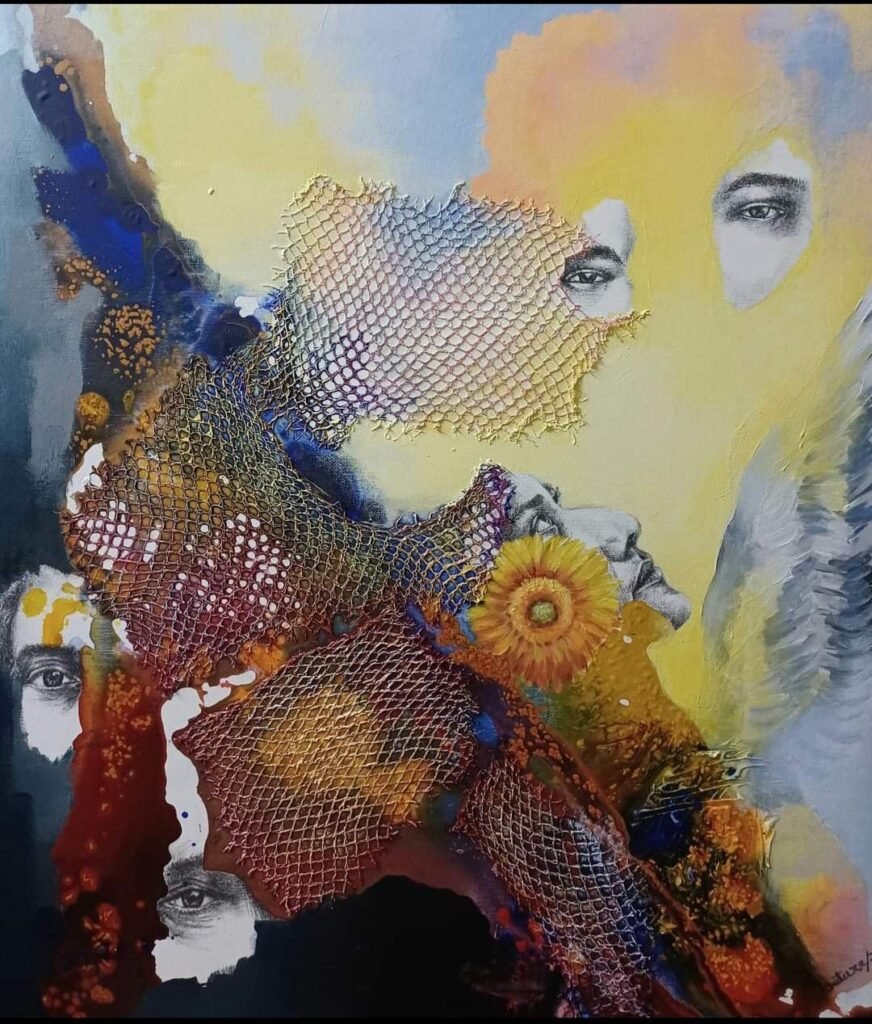
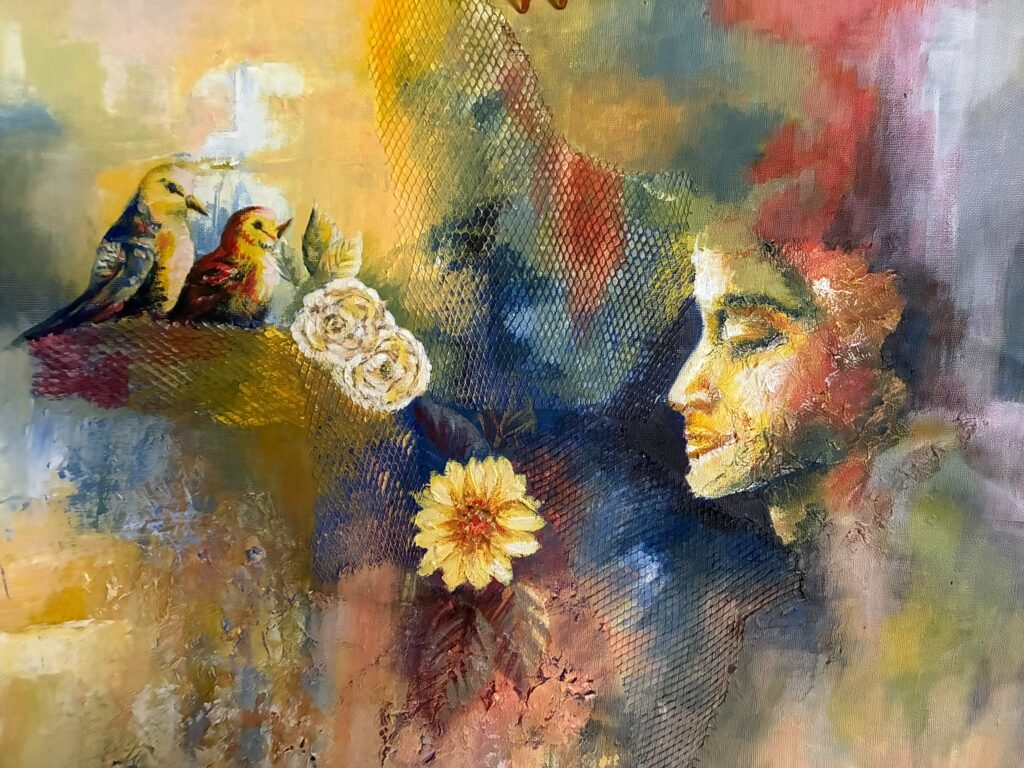
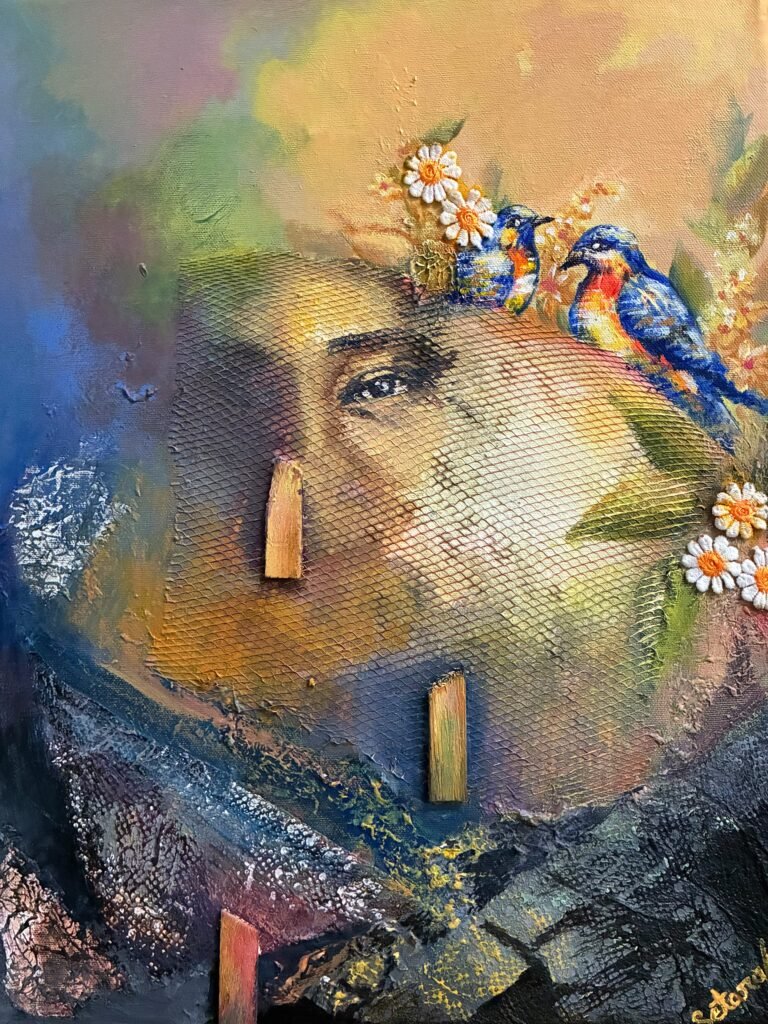
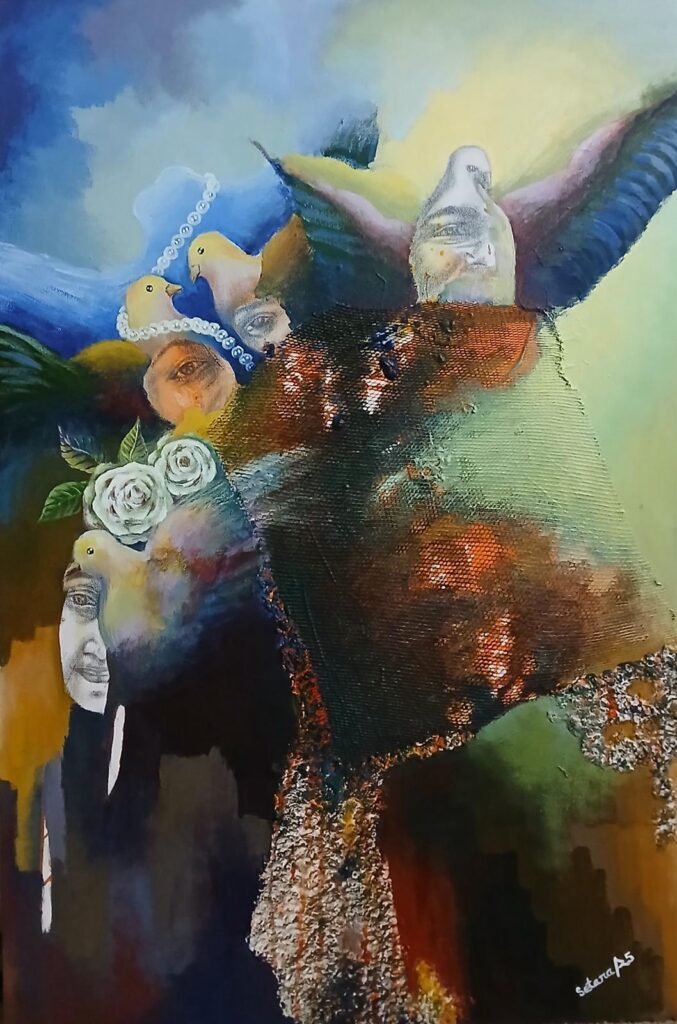
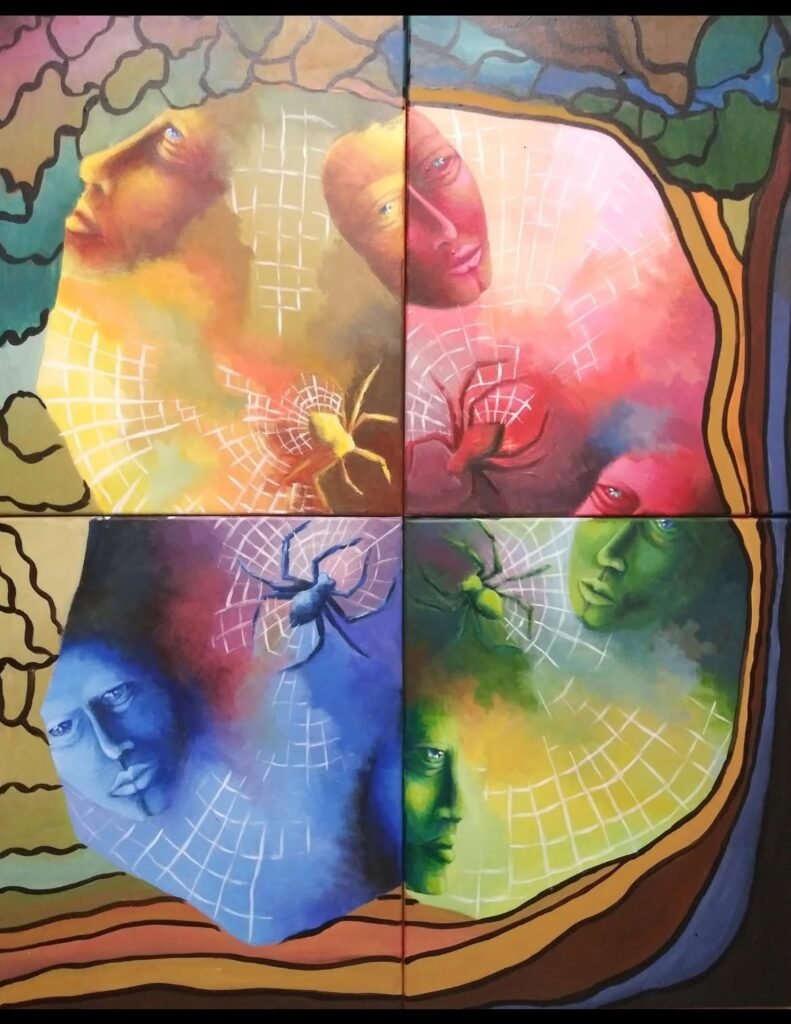
The composition featured multiple human faces, birds, and elements of nature woven together in an expressive and symbolic arrangement. The faces appeared dreamlike, while shades of blue and green in the eyes created a sense of depth and mystery.
Flowing lines resembling leaves, vines, and branches connected the human figures with the natural world. Birds added another dimension, suggesting peace, freedom, and the continuity of life.
The combination of deep blue, green, yellow, orange, and earthy tones created a delicate balance between warmth and coolness.
The painting seemed to suggest that humanity and nature are not separate entities but interconnected expressions of a shared existence.
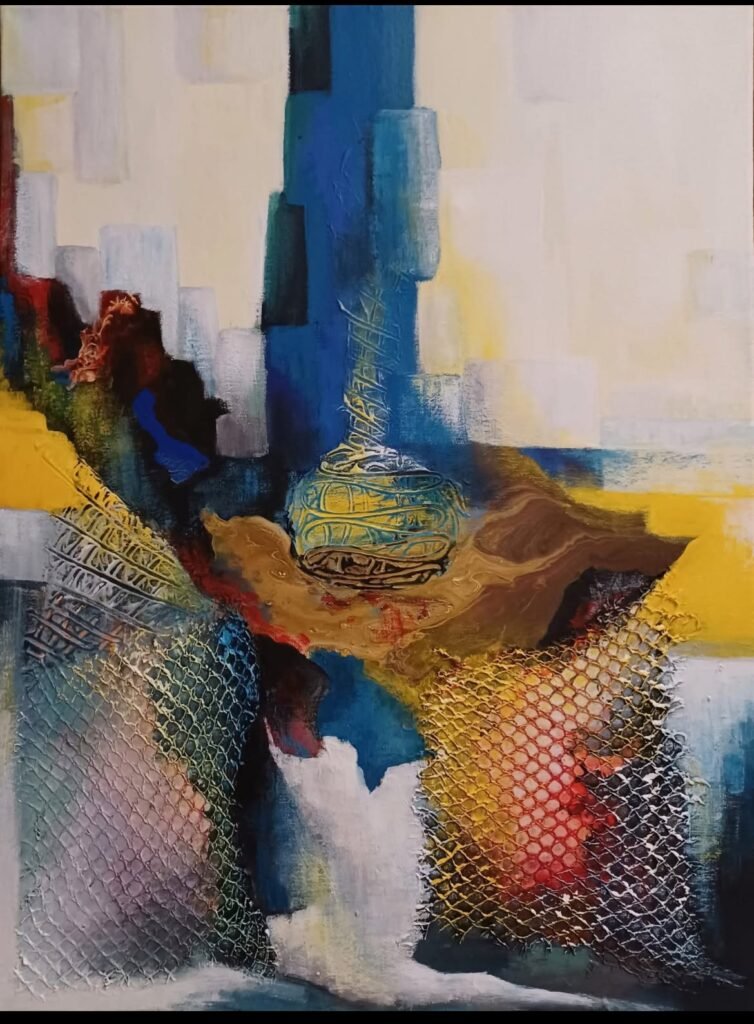
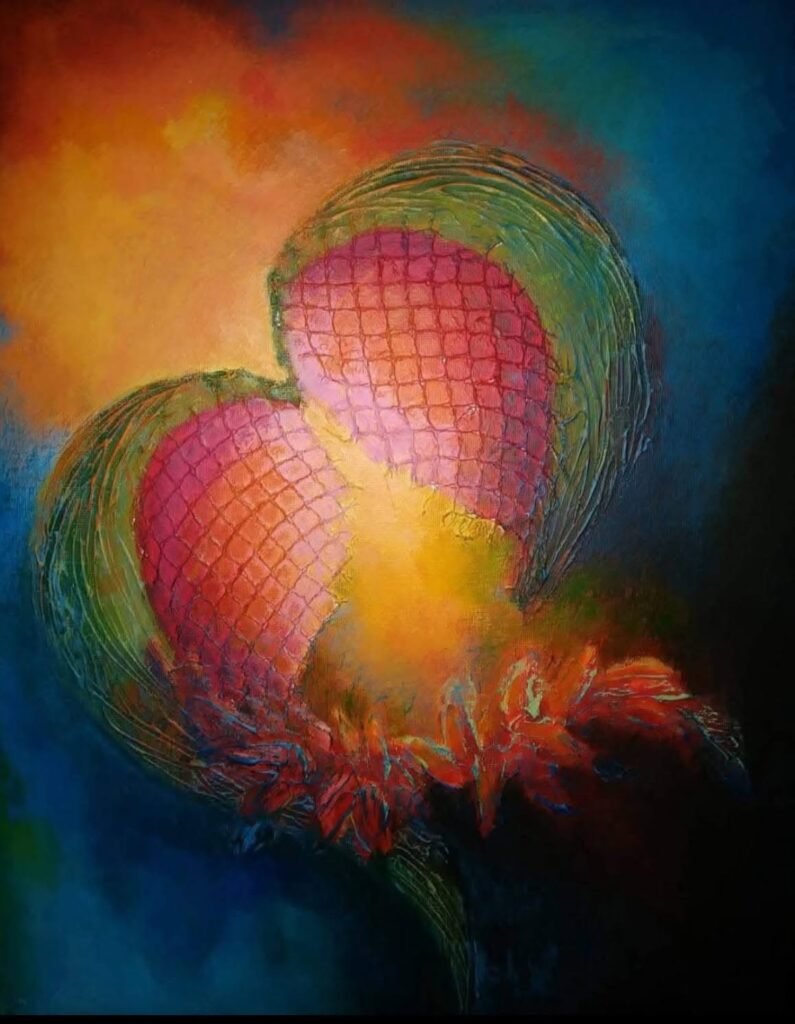
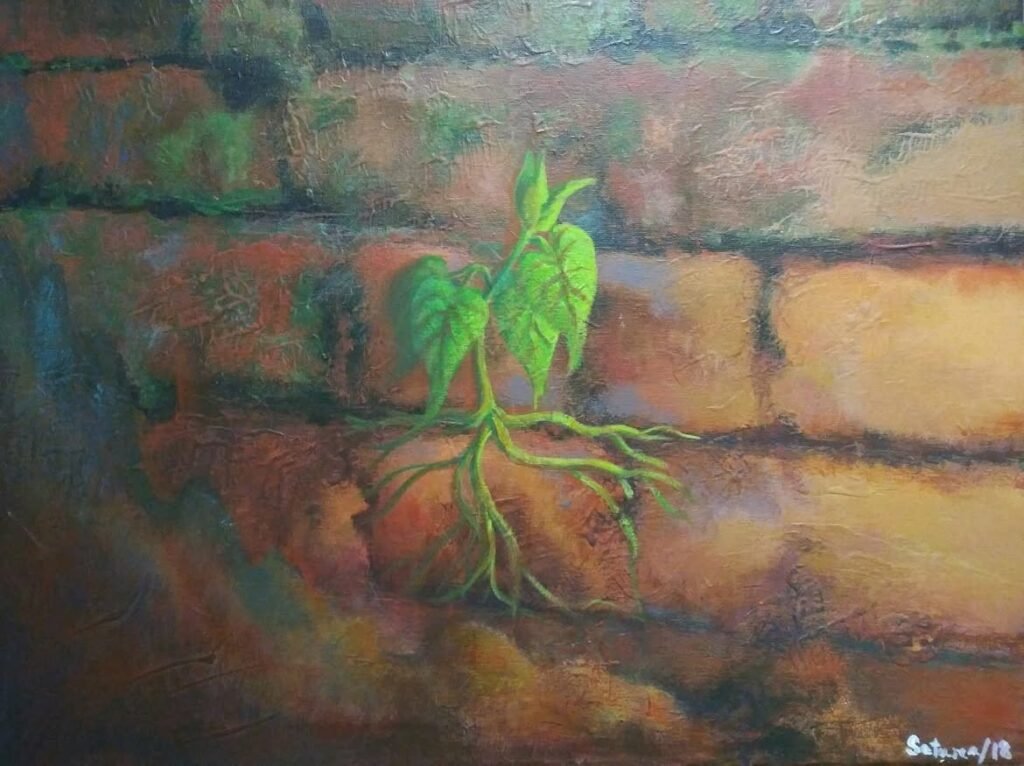
Her other works also reflected this sensitivity to nature, movement, color, and emotion. Each canvas offered a different perspective on the relationship between personal experiences and universal human feelings.
Transforming Personal Struggles into Artistic Expression
Throughout different stages of her life, Setara’s experiences have inspired new artistic chapters.
During her illness, works such as Time to Fly, Dancing Wave, and Inspiration of Life became sources of motivation and emotional strength.
During the COVID-19 pandemic, her observations of nature and the environmental changes around her inspired the series Bonding with Nature in Next World. The series received recognition at several art festivals and exhibitions, including events in Philadelphia, Texas, and Central Pennsylvania.
Her works exploring diversity were also recognized at exhibitions in Washington, D.C., and at an international exhibition organized by the S. M. Sultan Foundation.
Her painting Couple in Love was exhibited in India and Bangladesh and received a top award.
After approximately five years, as her health gradually improved, she returned to teaching. Drawing inspiration from her experiences, she created The Stage of Life, which received a top award in Nepal and was also exhibited at the Bangladesh Shilpakala Academy in Dhaka.
Through these works, personal struggles and reflections gradually evolved into artistic expressions of universal human experiences.
Embracing Light After Darkness
With the support of her family, the care of loved ones, and gradual improvements in her health, Setara began experiencing a renewed appreciation for life.
This transformation inspired two significant works: The Sunflower of Life and Nirvana.
These paintings reflect both the difficult chapters of her life and the beautiful moments that followed. They express gratitude, renewed hope, and the determination to celebrate every moment of existence.
In her artistic vision, darkness is not simply a symbol of defeat. It can also become the starting point for rediscovering light, strength, and purpose.
Her recent series is titled Oneiroi, a Greek word meaning “dreams.”
Through this series, she celebrates the present while continuing to imagine new possibilities for the future.
Preserving Cultural Roots Through Art
Despite living in the United States, Setara remains deeply connected to her Bengali heritage and cultural identity.
She believes that her family upbringing and formal education in fine arts have played important roles in preserving her artistic values and cultural roots.
She also describes a simple but meaningful way of expressing her love for Bangladesh: sharing positive aspects of her homeland with her American colleagues and fellow teachers every day.
For her, patriotism is not limited to words or symbols. It is also about introducing others to one’s culture, heritage, and traditions and building bridges between communities through everyday conversations and creative expression.
One of her guiding beliefs is:
“Everything in life comes and goes, but you must learn to be happy.”
Teaching Art and Inspiring the Next Generation
With approximately nine years of experience in art education, Setara currently teaches at the North Penn School District in Pennsylvania.
Alongside her teaching career, she operates her own art school, Setara’s Gallery, where she offers private and online art classes to students from different parts of the world.
For her, teaching art is not merely about developing technical skills. It is about encouraging imagination, nurturing creativity, and helping students discover their own ways of expressing emotions and ideas.
Her work as an educator reflects the same passion and dedication that define her artistic journey.
A Story of Courage, Creativity and Renewal
Setara Soheli Ahmed’s participation in the Pennsylvania Book Fair 2026 was more than an exhibition of paintings. It offered visitors an opportunity to experience the story of an artist who transformed personal adversity into creative expression.
Her journey reminds us that art can become a powerful means of rediscovering oneself, finding emotional strength, and embracing life with renewed purpose.
Literature communicates through words, while visual art speaks through colors, lines, and forms. In Setara’s work, these two worlds meet in a beautiful expression of memory, identity, resilience, and hope.
Her paintings tell a story that goes beyond the canvas—a story of a woman who faced life’s uncertainties, rediscovered her passion, and continues to create new dreams through the language of art.