HALIFAX, Canada — In meeting after meeting with U.S. allies this past weekend, Sen. Andy Kim heard the same request: Speak up. Too often, they told him, “the only American voice our countries hear is Donald Trump.”
Kim (D-New Jersey) was part of a bipartisan delegation that sought to reassure America’s frustrated partners and allies, gathered here for the annual Halifax International Security Forum, that soon Congress will hold more sway over U.S. foreign policy.
In interviews and panel discussions, foreign officials who came to Canada shared optimism that lawmakers could restore balance after two years during which Trump has coerced friendly governments, eased sanctions on shared adversaries and directed lethal military action at sea and in at least seven countries.
But even as Democrats, who come January will have full control of Capitol Hill, vow to use their oversight and spending powers to rein in what they see as the president’s abuse of executive authority, some lawmakers and diplomats remained cautious about their ability to do so.
Some here in Halifax questioned whether Trump would block laws the next Congress passes or find ways to ignore them. Others wondered whether Republicans, after mostly deferring to the president’s foreign policy moves, would feel more emboldened to challenge him.
“Is the veto Sharpie so big that nothing’s going to change?” Adrienne Arsenault, a Canadian journalist, asked Sen. Chris Coons (D-Delaware) during one panel discussion. She was referring to the president’s penchant for writing in black magic marker.
Democrats acknowledge their influence will have limits. Still, they say lawmakers’ approach to the final two years of Trump’s presidency will look dramatically different.
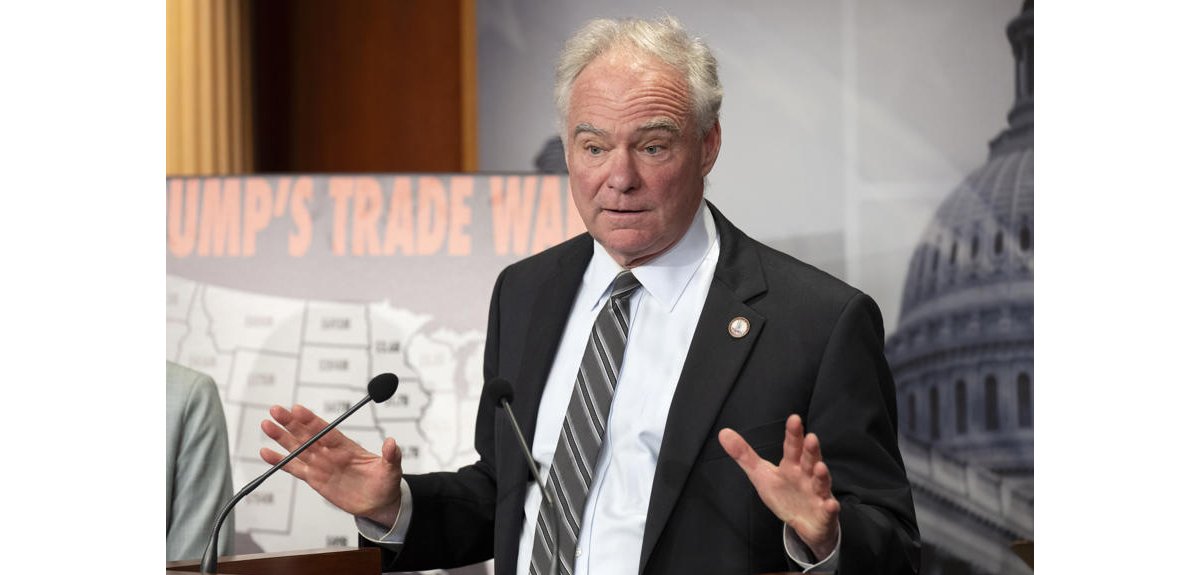
“We may not be able to change Trump’s behavior,” Sen. Tim Kaine (D-Virginia) said in an interview. “But we can at least speak as Congress — and I believe we will speak — in a much louder and forceful way about how we value alliances.”
Already, U.S. lawmakers are negotiating a deal that seeks to curtail the Iran war in exchange for Pentagon funding. Any agreement would likely limit what can be spent on defensive weapons and fall well short of fulfilling the Trump administration’s full $1.5 trillion defense budget request, lawmakers familiar with the talks said.
Lawmakers who attended the Halifax conference said they are discussing a similar effort to cut off funding for the administration’s campaign targeting suspected drug traffickers in Latin America.
“It’s just like a parent saying you’ve got to go to bed,” Coons, the incoming chair of the Senate Foreign Relations Committee, said in an interview. “Eventually there’s got to be accountability.”
The White House did not respond to a request for comment.
While Democrats have expressed frustration that the Republican-controlled House and Senate had not done more to restrain Trump’s most contentious foreign policy moves since his return to office, lawmakers from both parties predicted the new Congress could reassert its influence in a bipartisan way.
The Washington Post