

Landmark law takes effect; platforms begin shutting down hundreds of thousands of teen accounts
Sadia J. Choudhury
December 9, 2025: In a groundbreaking move that has drawn global attention, Australia has officially enforced a new online-safety law that bans anyone under the age of 16 from using social media platforms. Government officials describe it as one of the strictest digital-safety measures ever implemented anywhere in the world.
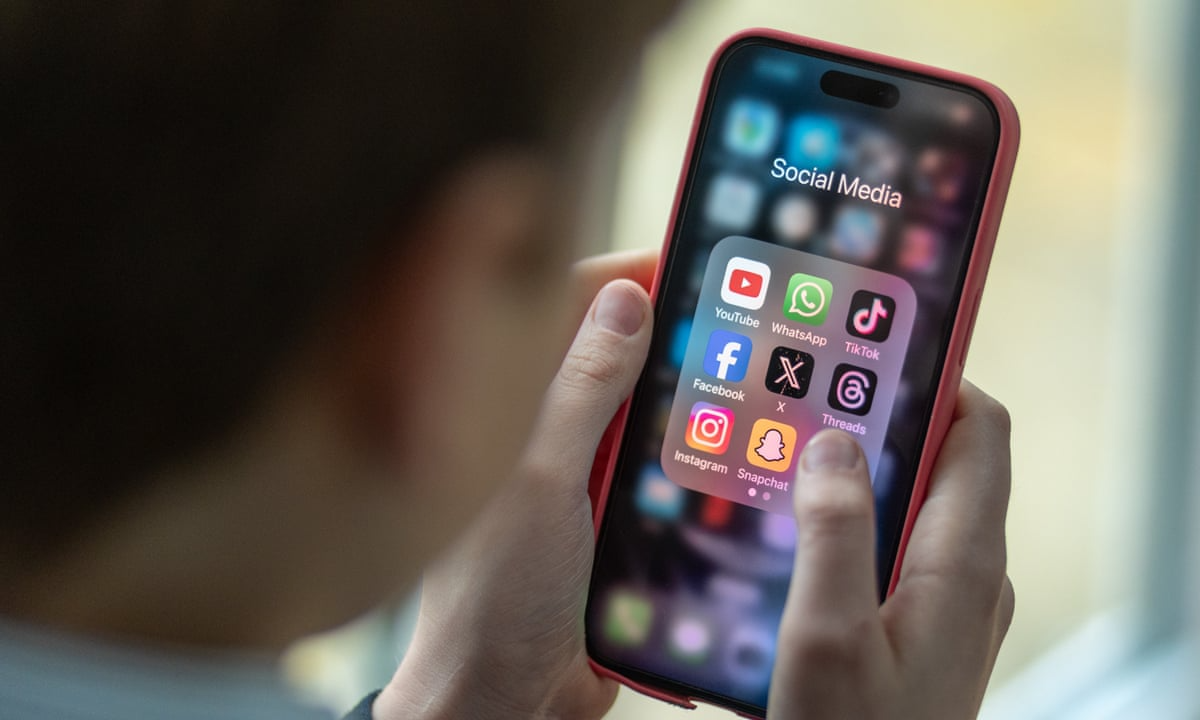
Within hours of the law taking effect, major platforms including Meta, TikTok, Snapchat, YouTube, X and others began disabling accounts belonging to Australian teens. Many woke up today to a message reading: “Your account has been disabled due to age restrictions.”
What the New Law Says
Under the Online Safety Amendment (Social Media Minimum Age) Act 2024:
• No one under 16 may open or maintain a social media account
• Platforms must introduce mandatory age-verification systems
• Companies that violate the law can face fines up to A$49.5 million
• Existing underage accounts must be immediately removed
• Age-restricted platforms include: TikTok, Instagram, Facebook, Snapchat, YouTube, X, Reddit, Twitch, Threads and others
The government calls this “a transformative step in protecting children from online harm.”
Why This Law? Government’s Explanation
According to the Ministry of Communications and Online Safety, the last decade has seen a dramatic rise in social-media-linked problems among young people:
• Depression and anxiety
• Cyberbullying
• Sleep disruption
• Privacy risks
• Exposure to harmful content
Officials argue that early exposure to social media impacts brain development, emotional stability and social behavior. They believe delaying access until age 16 will reduce psychological harm and improve safety.
“The goal,” the government says, “is to set a new global benchmark for child protection online.”
Mixed Reactions Across Australia, Relief among many parents
A large number of parents have welcomed the decision, calling it a “long-overdue safeguard.”
One parent said: “My child used to scroll TikTok even before bedtime. This law gives us a breathing space.”
Frustration among teenagers
Many teens, however, say the ban isolates them from friends, school updates and community networks.
In remote and rural regions—where social media is often the primary avenue of communication—young people say they now feel cut off.
Criticism: Freedom, Feasibility and Privacy Concerns
Digital rights groups argue that:
• A single age cutoff is unrealistic for all children
• Many teenagers rely on social media for school, hobbies, cultural communities and social connection
• Strict bans may drive teens toward unsafe, unregulated platforms
• Age-verification systems may compromise personal privacy
Some critics call the move “an overreach into personal freedoms dressed as child safety.”
What the Tech Companies Say
Major social media companies have expressed concerns about:
• The accuracy of age-verification technologies
• The privacy implications of collecting sensitive data
• The practical challenges of identifying millions of users
Still, most companies have begun disabling accounts and introducing compliance tools to avoid heavy financial penalties.
Experts Weigh In
Cyber-psychologists and online-safety specialists offer a nuanced view:
• Delaying access may reduce some harmful effects
• But total bans rarely work as intended
• Teens may circumvent restrictions using VPNs, alternate apps, or fake ages
• Digital literacy and parental guidance may be more effective long-term
One expert notes: “Instead of banning children from the world, we should teach them how to navigate it safely.”
Global Implications: The World Watches Australia
Several countries, including the United States and the United Kingdom, are now reviewing whether to adopt similar measures. Policymakers say the Australian model could become a new global template for online child protection.
The law also increases pressure on platforms worldwide to strengthen age-verification systems and redesign youth-safety policies.
Conclusion
Australia’s sweeping social-media ban for under-16s is reshaping the country’s digital landscape and triggering worldwide debate. Supporters say it prioritizes children’s mental health and safety. Critics argue it oversimplifies a complex issue and may restrict young people’s freedom.
But one thing is clear: this decision will influence the future of global internet regulation, social-media governance and the conversation around online childhood for years to come.