

Several high-ranking NYPD officials are facing serious allegations of using department-issued vehicles for personal commuting in order to avoid paying congestion-pricing tolls and other fees that ordinary New Yorkers must bear. The accusations raise renewed concerns about fairness, transparency, and the misuse of taxpayer-funded city resources.
By Shah J. Choudhury
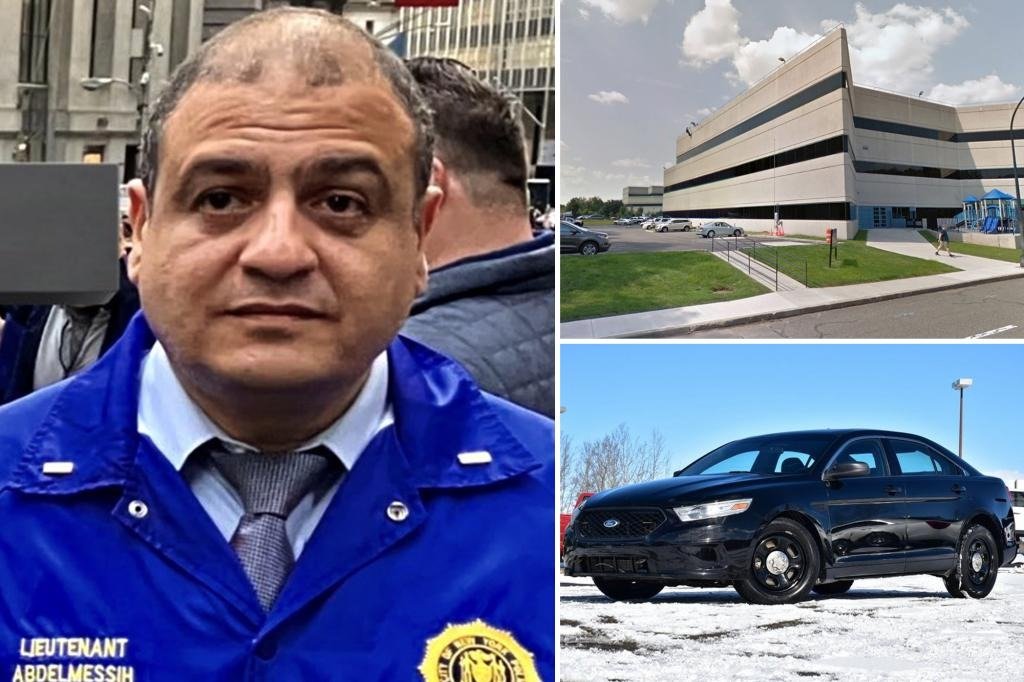
According to a whistleblower lawsuit filed by NYPD Lieutenant Joseph Abdelmessih, at least nine senior officials routinely used “work cars” — vehicles that were not authorized as take-home units — to commute between their homes and police headquarters.
The lawsuit claims:
• The officials used department vehicles for personal travel specifically to avoid congestion tolls and other commuter charges.
• Gas, parking, and maintenance costs were all covered through taxpayer funds.
• Some officials allegedly used lights and sirens to bypass traffic during personal commutes.
• None of the officials had formal authorization or assignments requiring a take-home vehicle.
Financial and Ethical Concerns
The allegations highlight a clear disparity between the privileges enjoyed by police leadership and the daily financial burden placed on ordinary commuters.
While regular New Yorkers pay tolls, congestion fees, parking charges, and fuel costs out of pocket, the officials named in the lawsuit allegedly avoided thousands of dollars in annual expenses — costs ultimately covered by taxpayers.
Advocacy groups argue that this represents a breach of public trust and an abuse of public resources.
Public and Civic Reaction
The Riders Alliance, a transit advocacy group, condemned the alleged conduct as a serious violation of accountability, stating that using government vehicles to bypass tolls erodes confidence in public institutions.
Some commuters expressed frustration, arguing that the city cannot expect the public to shoulder rising transportation costs while its own officials evade them through unauthorized perks.
One commuter told reporters:
“We follow the rules and pay the tolls every day. Why should those enforcing the laws get to ignore them?”
Legal and Administrative Developments
• The lawsuit has been filed in Manhattan Supreme Court, naming the nine NYPD officials and the City of New York as defendants.
• The complaint accuses the officials of misusing government property, wasting taxpayer money, and violating departmental guidelines.
• As of now, the NYPD has not issued any official response to the allegations.
Analysis
The case underscores broader issues of equity and accountability:
1. Fairness: When public servants avoid tolls that ordinary citizens must pay, it establishes a double standard that undermines public trust.
2. Transparency: Any use of government vehicles — especially when taxpayer funds are involved — must be properly documented and justified.
3. Institutional Integrity: Allegations involving senior leadership can damage the credibility of the entire department if not addressed swiftly and transparently.
Conclusion
The lawsuit against senior NYPD officials raises critical questions about how government resources are managed, monitored, and controlled. Beyond the legal proceedings, the case may prompt stronger oversight of city-issued vehicles and renewed calls for transparency within the NYPD.
For New Yorkers who follow the rules every day, the expectation is simple:
No one — not even top law enforcement officials — should be above the standards they enforce.