Reuters: In a gold-rush era hotel in the Macedon Ranges north of Melbourne, classic car mechanic Joe Aprile says high taxes, rising costs and other economic pressures on the auto sector threaten to sink his family business.
“We’re a small business, a restoration shop for classic cars. Even to employ people, everything is getting so difficult. There is so much red tape,” he told Reuters, drink in hand, one recent Friday evening.
That frustration will be tested in a election on Saturday as Australia’s second most populous state, Victoria, decides whether to extend the centre-left Labor Party’s 12-year rule or hand power to its rivals on the right, the Liberal-National coalition.
Aprile, who voted for Labor in the last state election, says he’s had enough of Labor’s taxes and will instead vote for resurgent right-wing populist party, One Nation.
“Land taxes are the biggest strain because we own the building we work from – we are getting crushed,” he said.
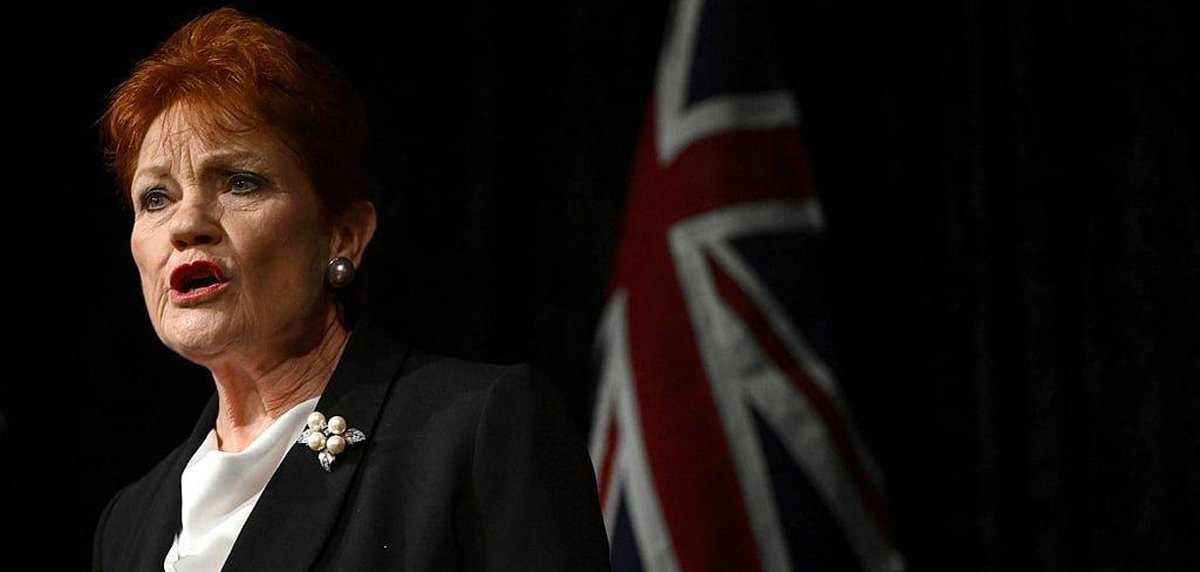
The Nov 28 ballot will show whether One Nation and firebrand leader Pauline Hanson can convert a surge of support into meaningful legislative power. It will also be clearest marker yet of how much of a threat the party founded by Hanson three decades ago could be to Labour Prime Minister Anthony Albanese in the 2028 national election.
After drawing just 6 percent of the vote at a May 2025 federal ballot, One Nation now leads or nearly leads most opinion polls in the country, echoing a pattern of advances by populist and right-wing parties in Britain, Germany and elsewhere.
Economy Tops Immigration As Key Concern
One Nation won’t win government outright in the state that is home to one-quarter of Australians, but could take up 10 of its 88 lower-house seats, from one currently, polls show.
That would give it a say in what laws get passed should the coalition, which is favoured to win, fall short of a majority.
Most headlines about One Nation concern its anti-immigration rhetoric but a less visible cocktail of wage stagnation, inflation and housing stress has played a deeper role in its popularity spike, analysts say.
“There’s this sort of bubbling underneath of anger that I’ve not seen before,” said Alysa Coleman, who runs a financial counselling outreach service in Melbourne’s southeastern fringe.
“Generally if people are angry, they’re angry at the government.”
Latest opinion polls point to a Labor wipeout by the conservatives, as voters are angered by rising costs, immigration and lack of jobs. Also weighing on the party’s popularity are its pandemic-era policies that resulted in a 60 percent rise in state debt and the world’s longest lockdown of its biggest city, Melbourne.
The state Labor government has defended its record as protecting frontline service jobs while pursuing targeted savings.
“We’ve seen a prolonged period where wages haven’t grown very fast, the cost of housing has gone up quite a lot, while inflation and rents have also risen sharply in recent years,” said Shaun Ratcliff, principal of polling firm Accent Research, which has found One Nation dominating outer-metro areas and living costs ranking ahead of immigration for its supporters.
“These economic pressures certainly provide a more favourable environment for populist parties,” he added.
Things could get worse for Labor by the next national election, with a financial squeeze caused by this year’s five interest rate rises likely building, said Liam Dillon, head of economics at the Committee for Economic Development of Australia.
“It takes between 12 to 18 months before that really washes through, so in as much as things are challenging right now, the full force of those interest rates is still yet to be felt,” he said. “That probably will flow through to elections.”