

Washington Post analysis raises concerns over election-fraud claims and potential challenges to results; debate intensifies over public trust in America’s electoral system
Shah J. Choudhury
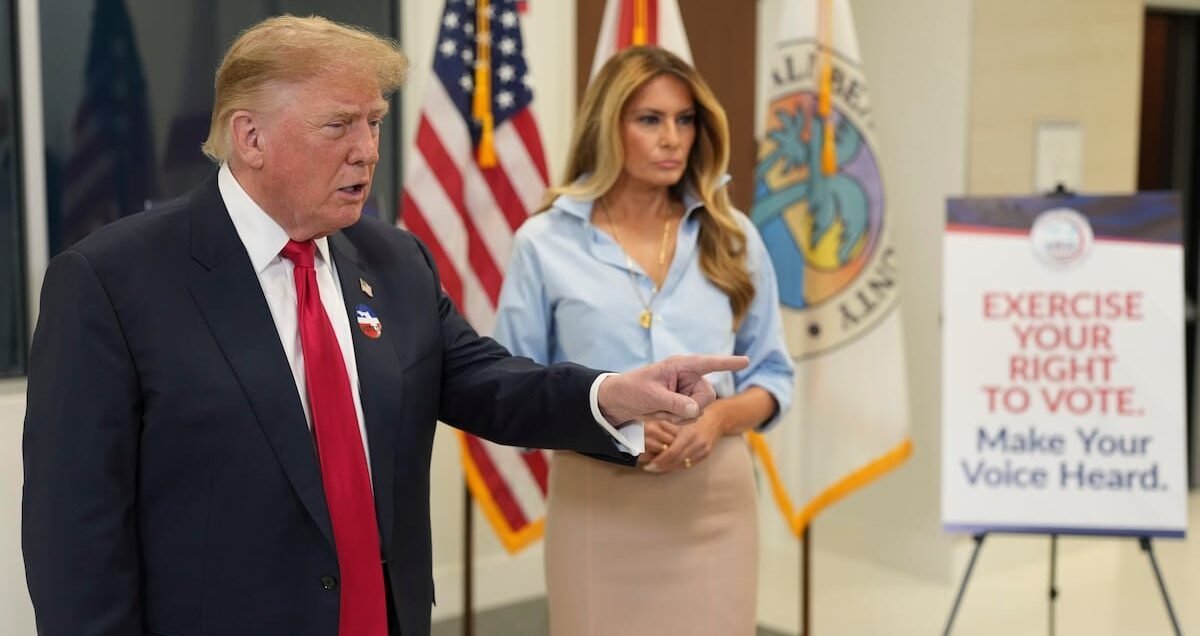
— President Donald Trump and his allies are facing scrutiny over allegations that they are casting doubt on the integrity of the upcoming midterm elections before ballots are counted. Critics warn that the rhetoric could provide a basis for challenging the results if Republicans suffer losses in the November 3 elections.
A Washington Post analysis published October 27 found that nearly 600 prominent right-wing social media accounts, podcasts and other online outlets had published more than 7,000 claims questioning election integrity this year. The messaging has focused heavily on allegations of noncitizen voting and fraud involving mail-in ballots.
However, evidence of widespread election fraud remains limited. The report highlights cases in several states where initial allegations and subsequent investigations produced different conclusions.
Fraud Allegations Under Scrutiny
The analysis examines examples from Nevada, Georgia and New Jersey to illustrate the challenges of verifying allegations involving noncitizen voter registration and illegal voting.
In New Jersey, a software error at the state’s motor vehicle agency reportedly resulted in noncitizens being registered to vote. However, voter registration does not necessarily mean that an individual cast a ballot, underscoring the importance of distinguishing administrative errors from confirmed illegal voting.
Voting by noncitizens in federal elections is illegal under U.S. law. Election-fraud allegations, however, require credible evidence and proper investigation. Isolated irregularities do not, by themselves, establish widespread fraud.
Legal Battles Raise Concerns
According to the report, the Trump administration has pursued legal actions involving election rules and ballots, prompting disputes over election administration and the federal government’s role.
Critics argue that repeatedly promoting unsubstantiated fraud claims before Election Day could weaken public confidence in the electoral process. Supporters of stricter voting requirements maintain that safeguards are necessary to protect election integrity.
The debate has also renewed questions about the respective responsibilities of federal, state and local authorities in administering elections and resolving disputes over results.
Public Confidence Becomes a Central Issue
A poll by The Washington Post, ABC News and Ipsos cited in the analysis found that only 28 percent of Americans were confident that Trump would accept the results if Republicans lost the midterm elections.
As Election Day approaches on November 3, the counting and certification of ballots, potential legal challenges and public acceptance of the results are emerging as significant issues in the national political debate.
The elections will determine control of Congress and could have major implications for the remainder of Trump’s presidency. Beyond the balance of political power, the controversy is placing public trust in the American electoral system under renewed scrutiny.
Source: The Washington Post, October 27, 2026.