


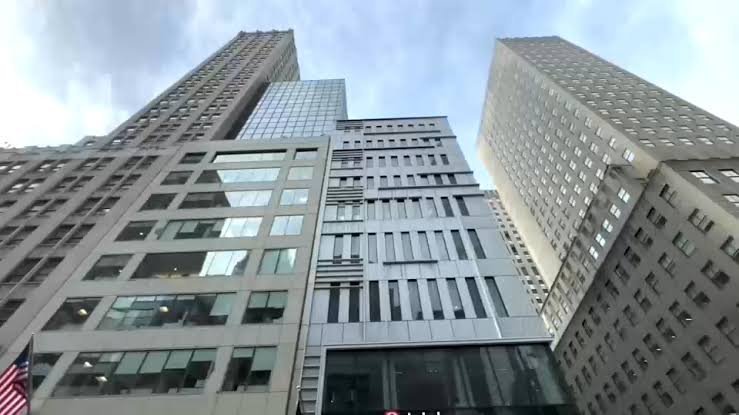
Owners who received city notices must prove their property is their primary residence by midnight—or risk a new surcharge beginning January 1.
Shah J. Choudhury
New York City property owners facing the new Pied-à-Terre, or non-primary residence, surcharge have until midnight Tuesday, October 6, to apply for a tax exemption if the property is actually their primary home.
Owners who fail to submit the required documentation by the deadline could face the additional tax beginning January 1, with the surcharge appearing on future property tax bills.
The new surcharge targets certain high-value homes, condominiums and cooperative apartments that are not used as their owners’ primary residences. Properties meeting specific value thresholds may be subject to the additional charge.
Receiving a notice from the city, however, does not automatically mean a property owner must pay the surcharge. Owners may qualify for an exemption if the property is their primary residence or meets other requirements under the city’s rules.
Applicants may be required to provide documentation proving primary residency, along with information included in the city’s notice.
The tax program is also facing legal challenges. Property owners and others have questioned the city’s process for determining which properties qualify, while ongoing court proceedings could affect how the surcharge is implemented.
City officials estimate the new surcharge could generate approximately $500 million annually in additional revenue. However, the ongoing legal battles have created uncertainty over how much revenue the city will ultimately collect.
DEADLINE ALERT: Property owners who received a city notice and believe the property is their primary residence should submit their exemption application and required documentation before the midnight deadline on October 6.