

China’s Minister of State Security, Chen Yixin, published a signed article in China Cyberspace, the official journal of the Cyberspace Administration of China, framing advanced AI as a direct threat to Communist Party rule. The article singles out foreign models from U.S. companies as particularly dangerous.
Analysts describe it as the most detailed statement yet from Beijing linking AI to one-party survival, arriving ahead of anticipated U.S.-China AI safety talks.
Regime Survival Comes First
Chen’s framework places Party control at the top of every risk category he identifies.
His central argument is direct: “Abusive use of AI tools by adversaries could directly threaten China’s political security, institutional security and ideological security,” according to Bloomberg. In this context, “political security” does not mean territorial sovereignty; it means the Communist Party’s grip on power and its control over public ideology.
U.S. Models Named Directly
The article identifies specific American products as tools that lower the barrier to attacking Chinese infrastructure.
Chen explicitly named Anthropic’s Claude Mythos and OpenAI’s GPT-5.5-Cyber as examples, according to The Next Web, which Gadget Review could not independently verify against either company’s public product catalog. Analysts read the naming of specific products as a deliberate signal ahead of diplomatic talks, not a casual regulatory footnote.
Deepfakes as Political Weapons
Chen introduces “cognitive warfare” as an official security concern for the first time at this level of government.
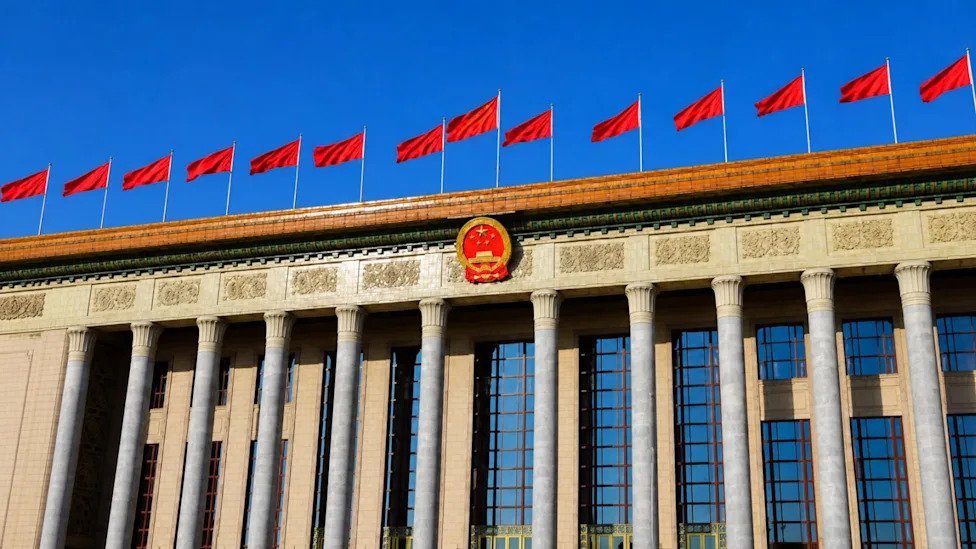
China’s Spy Chief Says U.S. AI Models Threaten Communist Party Survival