

One-Third of Required Reports Missing as State Audit Exposes Major Gaps in Waste-Management Oversight
Salman J. Choudhury
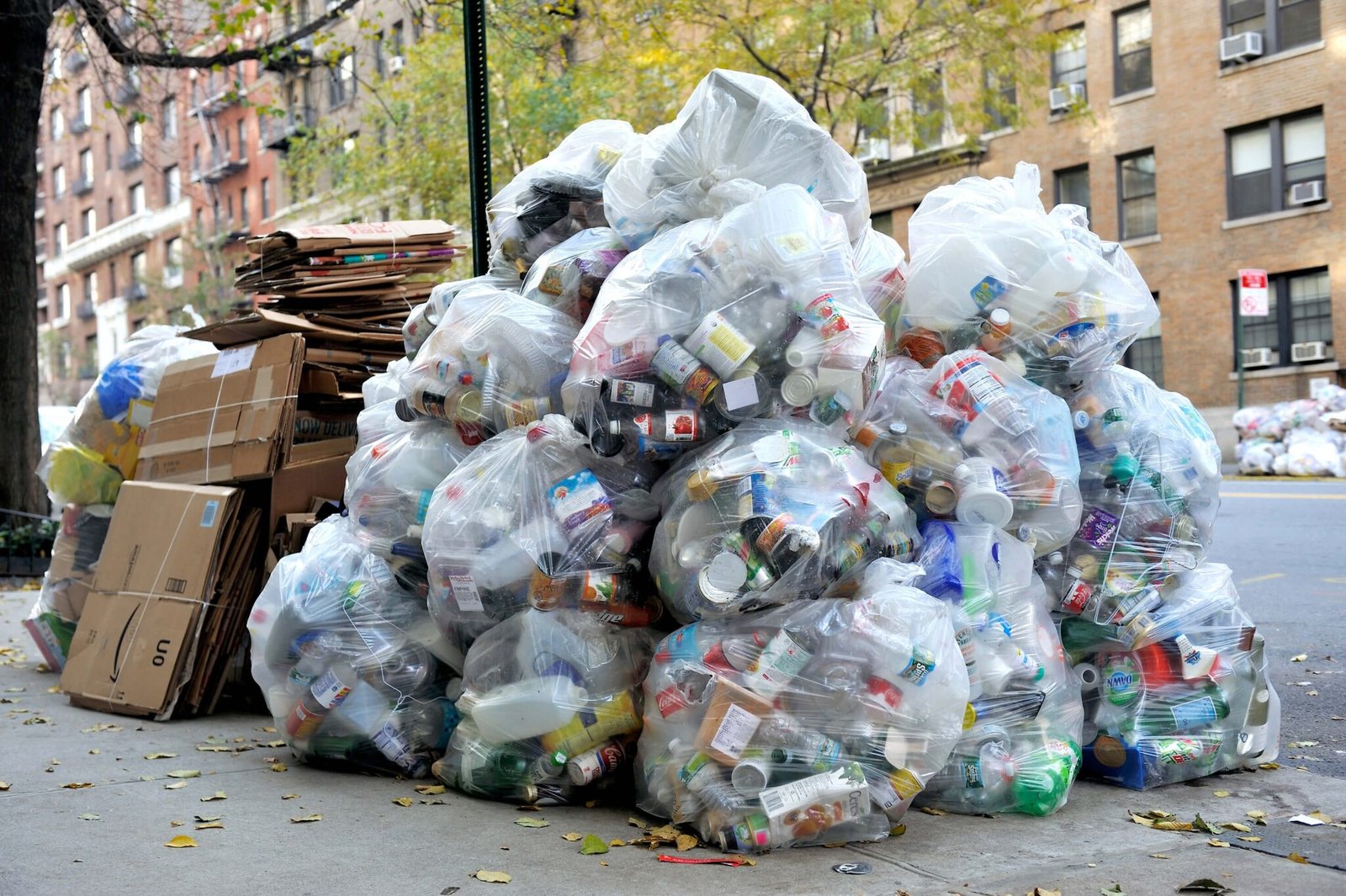
New York’s recycling system is facing growing scrutiny after a state audit uncovered significant gaps in reporting, recordkeeping and oversight, raising questions about how much waste is actually being recycled across the state.
An audit conducted by the Office of New York State Comptroller Thomas P. DiNapoli found that 341 of 1,065 required annual reports were never submitted between 2021 and 2023. That means roughly one-third of the required reports were missing.
The audit also found serious problems with the reliability of the information that was submitted. Auditors determined that adequate documentation was available for only about 21% of the recyclable material reported as entering recycling facilities. For waste sent to landfills or other final disposal facilities, adequate records were available for only about 6%.
Oversight of recycling facilities was also found to be incomplete. Of the 389 registered and permitted recycling facilities reviewed during the three-year period, 138 facilities—about 35%—were not inspected.
The lack of reliable data makes it difficult for state officials and the public to determine how much waste is actually being recycled, how much is ultimately sent to landfills or incinerators, and whether New York’s recycling programs are meeting their environmental goals.
State Comptroller DiNapoli’s office emphasized that accurate reporting is essential for evaluating the effectiveness of New York’s waste-management policies and for understanding the environmental impact of waste disposal.
The findings are particularly significant as New York continues to pursue ambitious climate and environmental goals. Waste management is a substantial contributor to greenhouse-gas emissions, making accurate recycling and disposal data critical to the state’s broader climate strategy.
The New York State Department of Environmental Conservation (DEC) has indicated that it will take steps to address the audit’s recommendations. However, the agency has also disputed some aspects of the audit, arguing that the extent of reporting deficiencies may have been overstated.
The audit nevertheless highlights a fundamental question for New York:
How much of the waste reported as “recycled” is actually being recycled—and how much ultimately ends up in landfills or other disposal facilities?
For a state that has made environmental protection a major policy priority, the answer will require more than promises. It will require accurate data, consistent inspections, transparent reporting and meaningful accountability.