

Netanyahu’s New York Visit Sparks Diplomatic Tensions and Tests Local vs. International Authority
Shah J. Choudhury
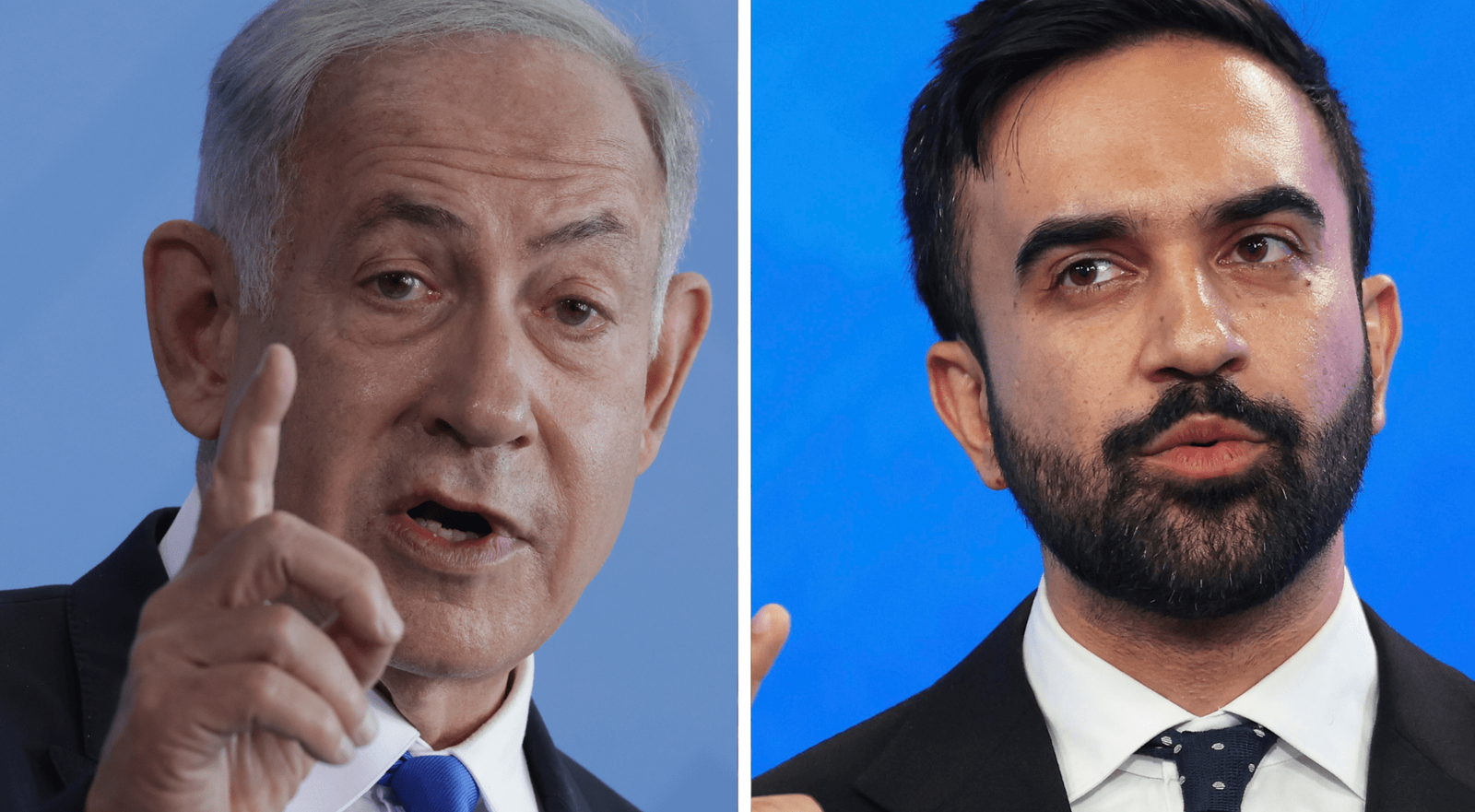
Newly elected New York Mayor Joharan Mamdani announced that, in accordance with the International Criminal Court (ICC) warrant, he could arrest Benjamin Netanyahu if he visited New York, drawing global attention. However, Israeli Foreign Minister Gideon Saar has dismissed the threat, and Netanyahu has expressed his intention to proceed with the visit.
This incident highlights the tension between local authority and international diplomacy, the limits of federal legal jurisdiction, and the political stakes involved.
Questions have arisen over whether the mayor’s threat is legally enforceable. U.S. and New York officials have noted that Mamdani does not have the authority to act independently in such a case.
Mamdani’s Threat and Its Significance
• During his campaign, Mamdani stated that if elected, he would use NYPD resources to arrest Netanyahu.
• The ICC warrant has been active since 2024, but there is no requirement for enforcement under U.S. law at the local level.
• Legal experts say that local authorities cannot enforce international arrest warrants against foreign heads of state.
• This raises potential conflicts between local laws and international legal obligations, creating diplomatic and administrative challenges.
Netanyahu’s Response
Netanyahu stated:
“Yes, I will come to New York.”
He added:
“We can have a discussion if they recognize Israel’s existence.”
Analysts warn that Netanyahu’s visit and the mayor’s threat could have significant implications for New York’s international diplomacy and administrative framework.
Legal Analysis — NYC Mayor’s Threat vs. International Law
Several key points clarify the legal complexity:
1. Local Law vs. International Law
• NYPD and the mayor’s authority are limited to local law enforcement.
• Enforcement of ICC warrants requires federal government authorization.
2. Diplomatic Immunity
• Netanyahu, as a former or sitting head of state, enjoys diplomatic protection.
• Attempting to arrest him could violate international law.
3. Symbolic vs. Real Enforcement
• Mamdani’s threat is largely symbolic and political.
• In reality, NYPD or the mayor’s office cannot implement the ICC warrant.
4. Federal Law Supremacy
• Federal law and international obligations override local authority.
• Any unilateral city action conflicting with international law could be blocked by the federal government.
5. Legal Risks and Consequences
• Attempting enforcement could spark a diplomatic crisis, international dispute, and undermine the city’s security and reputation.
Diplomatic and International Reactions
• The Israeli embassy stated that Netanyahu’s New York visit is part of diplomatic discussions, and the mayor’s threat is only a “legal debate.”
• U.S. officials noted that the mayor cannot enforce international law independently.
• Analysts say this incident puts New York’s diplomatic status and security protocols under scrutiny.
Political and Human Impact
• Political tension has raised concern among New York’s multicultural and immigrant communities.
• The clash between local authority and international obligations has raised questions about citizen confidence and security.
• Mamdani’s threat and Netanyahu’s response have placed New York in the global media spotlight.
Quotes & Highlights
“This threat is unenforceable; it is purely a political message.” — International law expert
“New York authorities can enforce local law, but have no effect on international legal obligations.” — U.S. local law official
“Netanyahu will come; discussion conditions exist.” — Netanyahu statement
Key Points:
• NYC Mayor‑elect Mamdani threatened to arrest Netanyahu.
• Israeli Foreign Minister dismissed the threat.
• Legally, the mayor has no real authority.
• New York has become a focal point for international attention.
• The situation tests local authority vs. international diplomacy.