

Immigrant families on edge as reported ICE activity empties businesses, public spaces and deepens anxiety across Queens
Sadia J. Choudhury — Fear of U.S. Immigration and Customs Enforcement (ICE) is increasingly changing everyday life in Corona, Queens, as immigrant families, workers and local businesses cope with reports of heightened immigration enforcement.
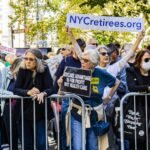
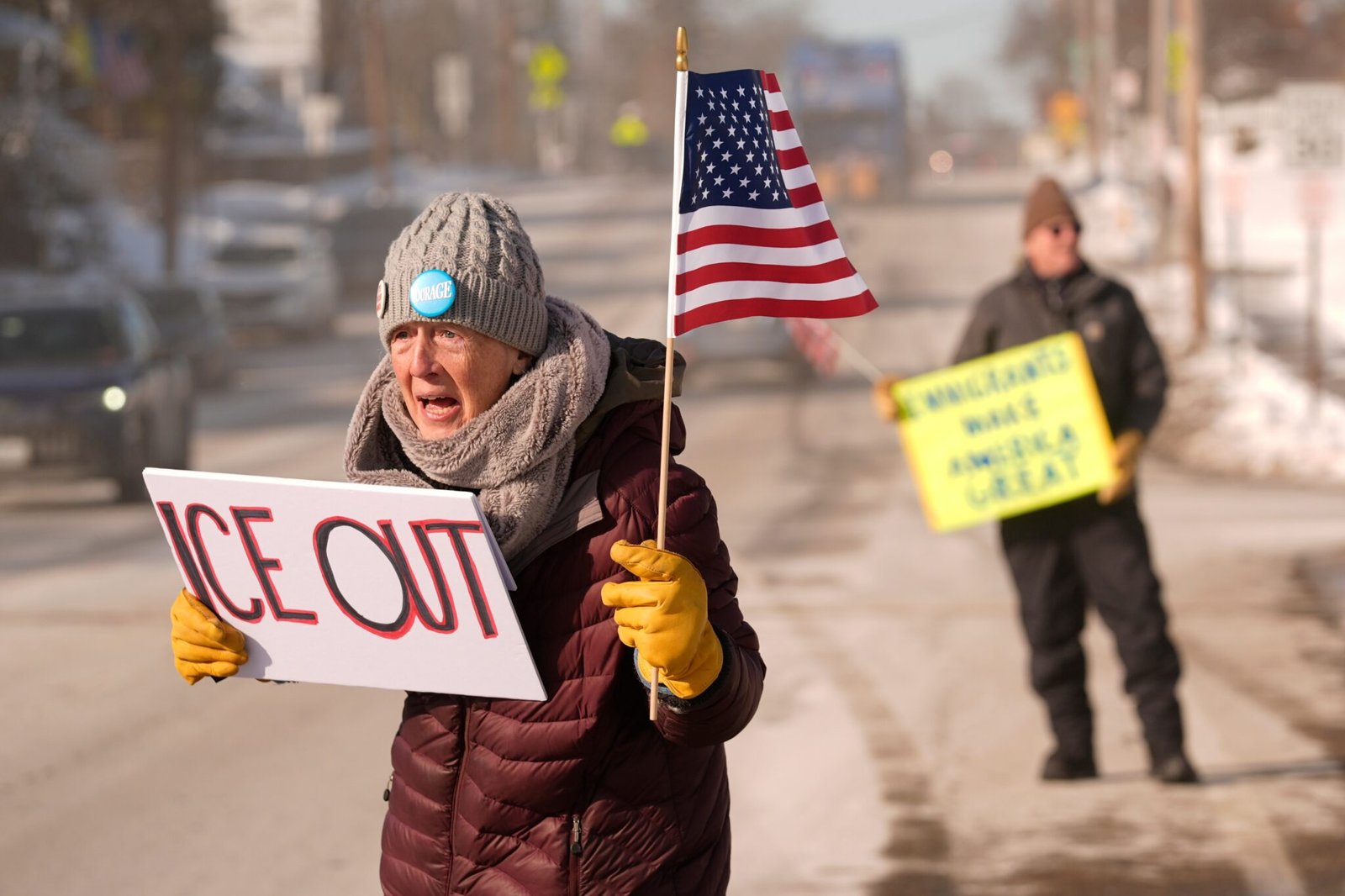
Dozens of residents, elected officials and community advocates gathered in Queens Monday to protest ICE activity and stand in solidarity with immigrant communities. At the same time, community organizations have been tracking and documenting reported sightings of immigration agents throughout New York City.
Advocates say Corona has become one of the neighborhoods experiencing the greatest impact, with the fear of immigration enforcement increasingly visible in public spaces.
Luba Cortes of Make the Road New York said reports of ICE sightings have increased across the city and that raids are creating significant fear and trauma within immigrant communities.
The impact is particularly visible at Corona Plaza, once a busy hub filled with street vendors, customers and neighborhood activity. Advocates say the area has become noticeably quieter as some immigrants avoid public spaces because they fear encountering law enforcement could potentially lead to contact with ICE.
New York City law already limits the circumstances under which the NYPD can cooperate with federal immigration authorities. Nevertheless, advocates say uncertainty surrounding enforcement continues to affect the daily lives of immigrant residents.
Monday’s rally brought together community members and elected officials, with participants expressing concern over the potential separation of families.
“I believe families are being torn apart,” Forest Hills resident Dawn Berry said at the rally.
The concerns come as New York City recently dismissed dozens of Haitian employees whose Temporary Protected Status (TPS) ended at the end of July. Mayor Zohran Mamdani said the city acted only when legally required to do so, emphasizing that the administration did not want to take such action.
Despite the fear, community organizers say immigrant residents are also becoming more informed and organized.
“There’s a lot of fear, a lot of panic, but there’s also a lot of empowerment,” said Tony Alaracon of Las Donas, noting that many immigrants are learning their legal rights and helping protect one another.
A HUMAN COST BEYOND THE STREETS
While the decline in activity around Corona Plaza is visible, advocates and mental-health professionals warn that the deeper impact may be occurring inside immigrant homes.
Psychologist Veronica Torrico said immigration uncertainty is contributing to trauma and stress among families, particularly when there is fear of separation.
Children, she said, may respond to that uncertainty in different ways, including withdrawal, developmental regression and communication difficulties.
Community organizations are therefore expanding their efforts beyond monitoring reported ICE activity. They are also working to ensure that immigrant families understand their rights and know how to respond if they encounter immigration agents.
For Corona, the issue has moved beyond immigration policy. It is now affecting the rhythm of daily life—where people work, where they shop, whether they gather in public and how families live with the fear of what might happen next.
As immigration enforcement remains a contentious issue across New York City, Corona offers a striking picture of how fear can reshape an entire neighborhood—leaving empty spaces in once-busy public areas while creating an invisible burden of anxiety inside immigrant homes.