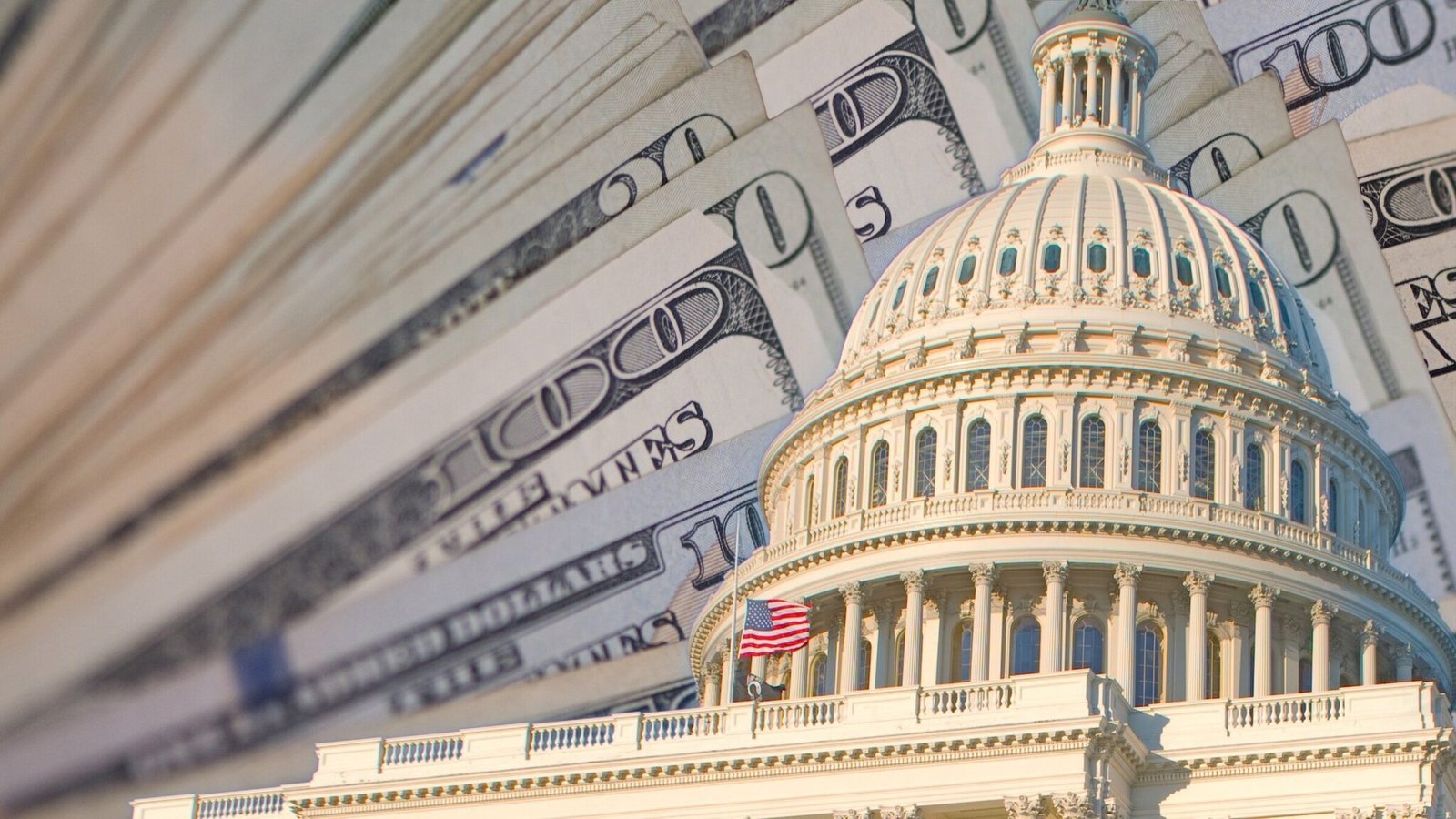
Outside political groups spend $3.1 billion in midterm races; election advertising could reach $11.6 billion as billionaires and super PACs expand their influence
Sadia J. Choudhury:
The battle for control of Congress is increasingly being shaped by an extraordinary flow of campaign money, with billionaires, political action committees, super PACs and special-interest groups pouring billions of dollars into the 2026 midterm elections.
According to an October 26 report by Anadolu Agency, outside political groups have spent approximately $3.1 billion in the election cycle, underscoring the growing role of independent political spending in races that will determine the balance of power in Washington.
The report cited advertising tracker AdImpact’s projection that political advertising across federal, state and local elections could reach $11.6 billion in 2026, up from approximately $8.9 billion during the 2022 midterm election cycle.
Billionaires Fuel Election Spending
The report, citing data from The Washington Post, said the 50 largest donor sources had contributed a combined $2.77 billion as of October 23. Among individual donors, Elon Musk led with $446 million, followed by Richard and Elizabeth Uihlein, who contributed $150 million, and Jeff and Janine Yass, with $110 million.
Super PACs have become major players in American elections. While they cannot coordinate their independent expenditures with candidates’ campaigns, they can raise and spend unlimited amounts from eligible sources to support or oppose candidates.
Their spending on advertising and political messaging can therefore significantly expand the financial resources surrounding a race beyond the money candidates raise directly.
Texas Race Highlights Spending Disparities
A high-profile Texas contest illustrates the difference between candidates’ fundraising totals and outside-group spending.
According to the report, Democratic candidate James Talarico raised $146.3 million for his campaign, compared with $22.3 million raised by Republican Ken Paxton.
Outside groups, however, spent $298.5 million supporting Paxton or opposing Talarico, while spending $79.9 million supporting Talarico.
The figures highlight how independent political spending can reshape the financial landscape of a competitive election, although campaign spending alone does not determine the outcome.
Technology, Cryptocurrency and Foreign Policy in Focus
Political spending is also flowing into debates over cryptocurrency regulation, artificial intelligence policy and foreign affairs. Interest groups seek to influence which candidates win and which policy priorities receive attention in Congress.
Campaign-finance reform advocates argue that the growing influence of wealthy donors risks giving affluent individuals and special interests disproportionate access to the political process. Supporters of independent political spending counter that such expenditures are protected forms of political expression.
As voters prepare to cast ballots on November 3, control of the House and Senate remains at stake. Beyond determining the balance of power in Washington, the election is renewing debate over the influence of money in American democracy and whether campaign-finance rules provide a level playing field for candidates and voters.
Source: Anadolu Agency, October 26, 2026.