


Existing voting procedures remain in place ahead of the 2026 midterm elections
Salman J. Choudhury :
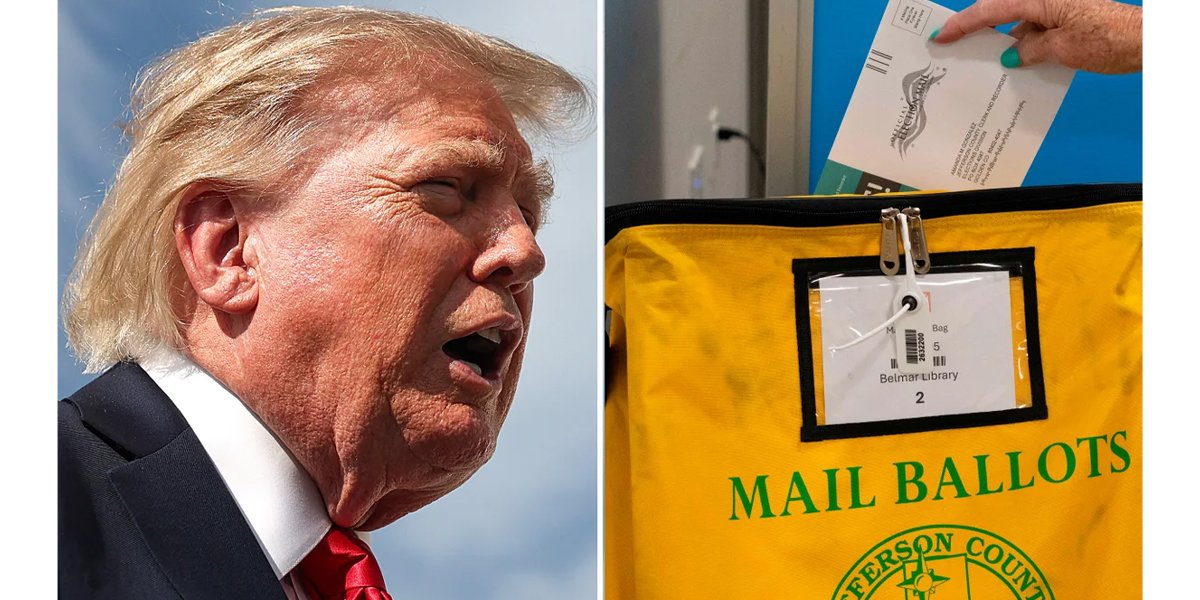
The U.S. Supreme Court has blocked the Trump administration’s effort to impose new restrictions on mail-in voting ahead of the 2026 midterm elections, allowing states to continue sending mail ballots under their existing procedures.
The administration had proposed new federal requirements governing mail ballots, including rules involving ballot envelopes, barcodes and voter information. The plan also sought to establish additional federal standards for the processing and delivery of mail ballots.
The administration argued that the proposed changes would strengthen election security and help detect potential irregularities. Several states and voting-rights groups, however, opposed the measures, warning that implementing new requirements so close to the election could create confusion and potentially prevent eligible voters from successfully casting their ballots.
The Supreme Court declined to lift a lower-court order blocking the new requirements. The decision means states can continue operating under their current mail-voting systems while the broader legal battle continues.
The ruling is particularly significant for voters in New York and other states who rely on mail ballots because of work schedules, travel, mobility issues or other circumstances. It also has implications for immigrant communities, including New York’s large Bangladeshi-American population, where access to established voting procedures remains an important civic issue.
At the center of the dispute is a broader constitutional question over the balance of power between the federal government and the states in administering elections. The case has intensified the national debate over voting rights, election security and federal authority over state-run elections.
With the 2026 midterm elections approaching, the immediate impact of the ruling is clear: no major changes to existing mail-ballot procedures will take effect for now. States will continue preparing for the elections under their current rules.
The legal and political battle over mail voting, however, is expected to continue as both sides debate how elections should be administered and how voting rights can be protected while maintaining election security.