


Allegations that recruits were hired before full background checks; concerns grow over qualifications, training and accountability
Fauzia J. Choudhury ::
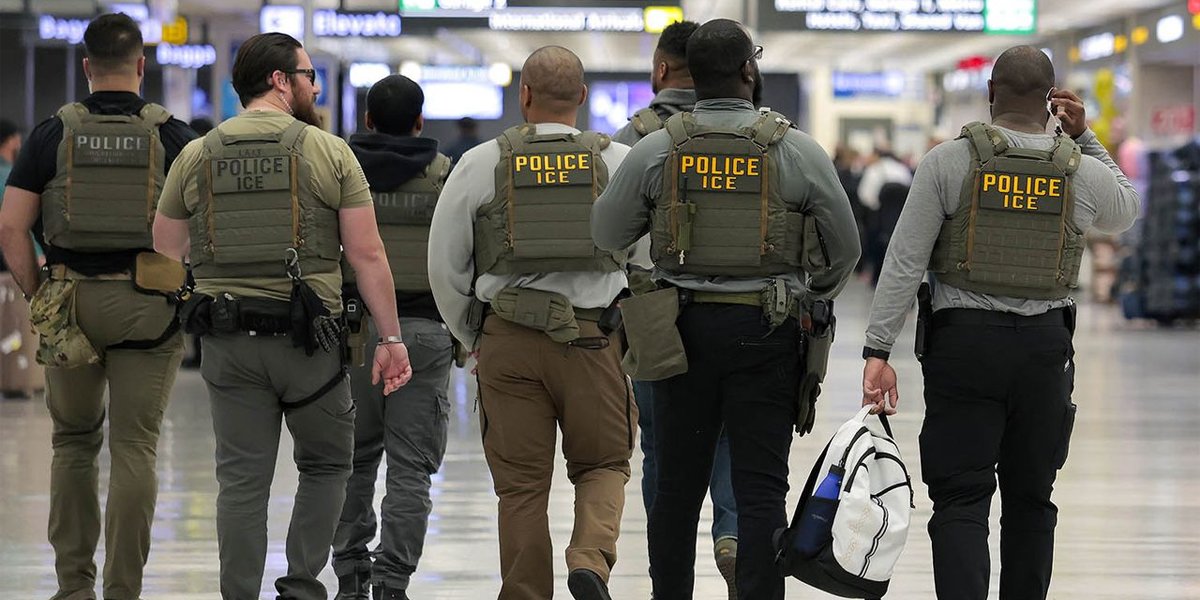
U.S. Immigration and Customs Enforcement (ICE) is quietly firing some of its newly hired officers following a massive recruitment drive, raising serious questions about the agency’s hiring, background-vetting and training practices.
According to the report, ICE launched a major hiring campaign in 2025 as the Trump administration moved to expand its deportation operations. The agency offered jobs to roughly 12,000 new recruits, with signing bonuses of up to $50,000 in some cases. Former officials, however, have alleged that some employees began working before their full background checks had been completed.
A former ICE whistleblower claimed that, in some cases, fingerprinting, identity verification and credit checks had not been completed before recruits were hired. The allegations have intensified scrutiny of the agency’s vetting procedures.
The controversy was further highlighted by the death of Joseph Moore, 38, a newly hired deportation officer in Philadelphia, after he received notice that he was being fired. ICE said the termination process was initiated after questions arose about his previous employment history. The circumstances surrounding his death remain under investigation, while Moore’s family has disputed ICE’s assessment of his work history.
Some former and current officials have argued that more thorough screening before hiring could have prevented such situations. Questions have also been raised about the qualifications, training and preparedness of newly recruited officers tasked with enforcing federal immigration laws.
ICE has maintained that the termination of newly hired employees is not unusual and that the agency routinely takes administrative action against employees who fail to meet required standards.
Still, concerns surrounding the rapid expansion of the agency—and whether vetting and training kept pace with the hiring effort—have renewed debate over security, accountability and due process within federal immigration enforcement.
For immigrant communities across the United States, the controversy adds to growing calls for greater transparency in how immigration enforcement officers are recruited, screened and trained.